
Peptide science, clearly referenced.
Independent, literature-backed explainers on research compounds — every claim cited to PubMed, every framing strictly research-use-only.
MOTS-c is a 16-amino-acid peptide encoded inside the mitochondrial genome itself, studied as an exercise-responsive metabolic signal. The biology is genuinely striking — but the evidence is overwhelmingly preclinical.
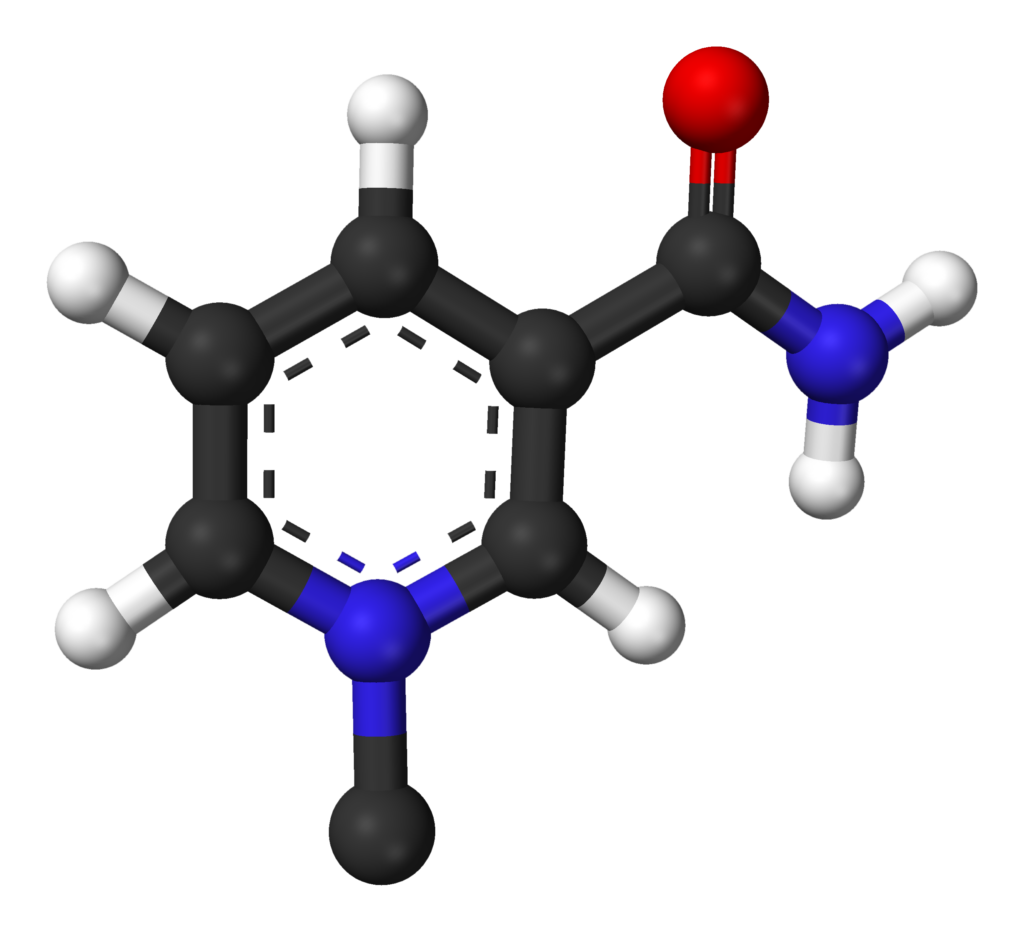
NAD+ falls with age and an entire industry promises to refill it. But “raises NAD+” and “slows ageing” are two different claims — and in humans, only the first is well supported.
NAD+ is the redox coenzyme every cell uses to make energy and to fuel its sirtuins and PARPs — and its levels fall with age. Here is what the science actually shows, and what it does not.
AOD-9604 is a synthetic fragment of human growth hormone, engineered to keep a fat-metabolising signal while shedding the growth. It became a famous “fat-burning peptide” — then its human obesity trials missed the mark.
A synthetic pan-agonist of the estrogen-related receptors, studied as an “exercise mimetic” that switches on the oxidative-metabolism programme a workout normally triggers. Here is what the preclinical record actually shows — and what it does not.
Tesofensine (NS2330) is a small-molecule triple monoamine reuptake inhibitor that produced some of the largest weight-loss figures of the pre-GLP-1 era in human obesity research — then never reached the market. This is the story of why, and why honesty about its safety record matters.
NMN is a direct precursor of NAD+, the metabolic coenzyme that fades with age. It is the molecule the anti-ageing field bet on to simply refill the tank — and the one with more human data than almost anything in this catalogue.
A blue dye older than aspirin helped found the pharmaceutical industry and still treats a rare blood disorder. At low concentrations it is now studied as a mitochondrial “electron cycler” for the brain — with a sharply two-sided dose-response.
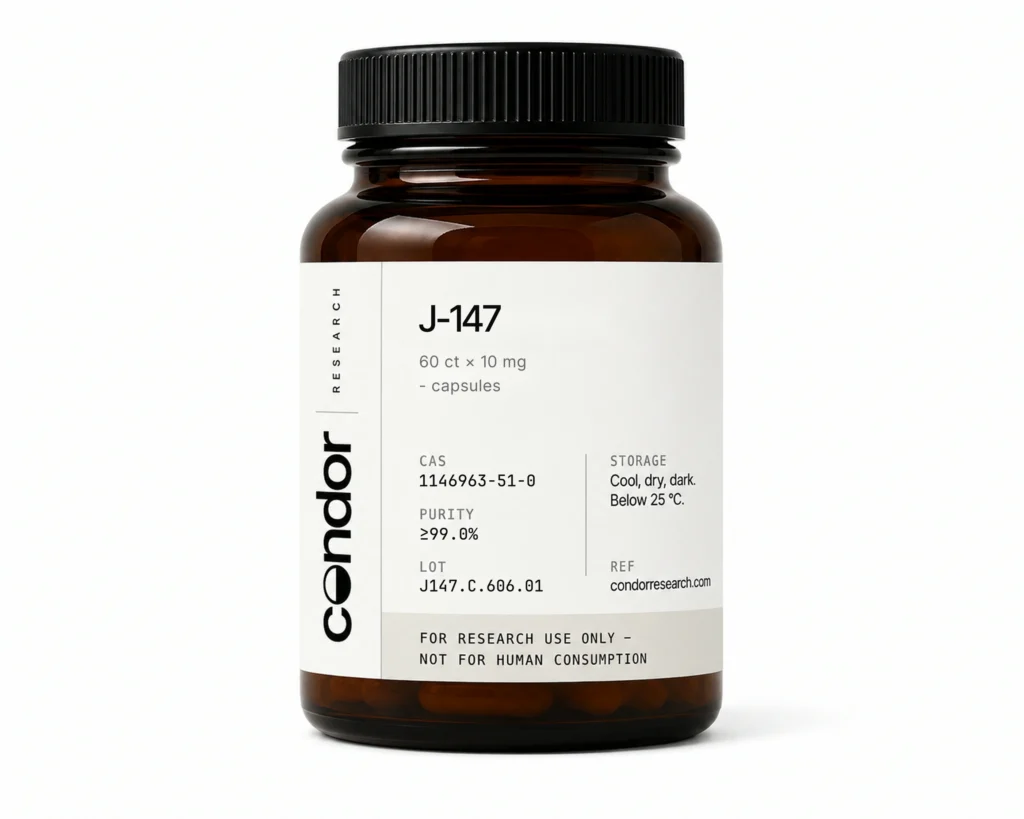
J-147 is an experimental neuroprotective compound engineered at the Salk Institute from curcumin, the turmeric molecule the body destroys too fast to be a drug. Chemists rebuilt it for stability and ageing brains, and it turned out to act on an unexpected target inside the mitochondrion.
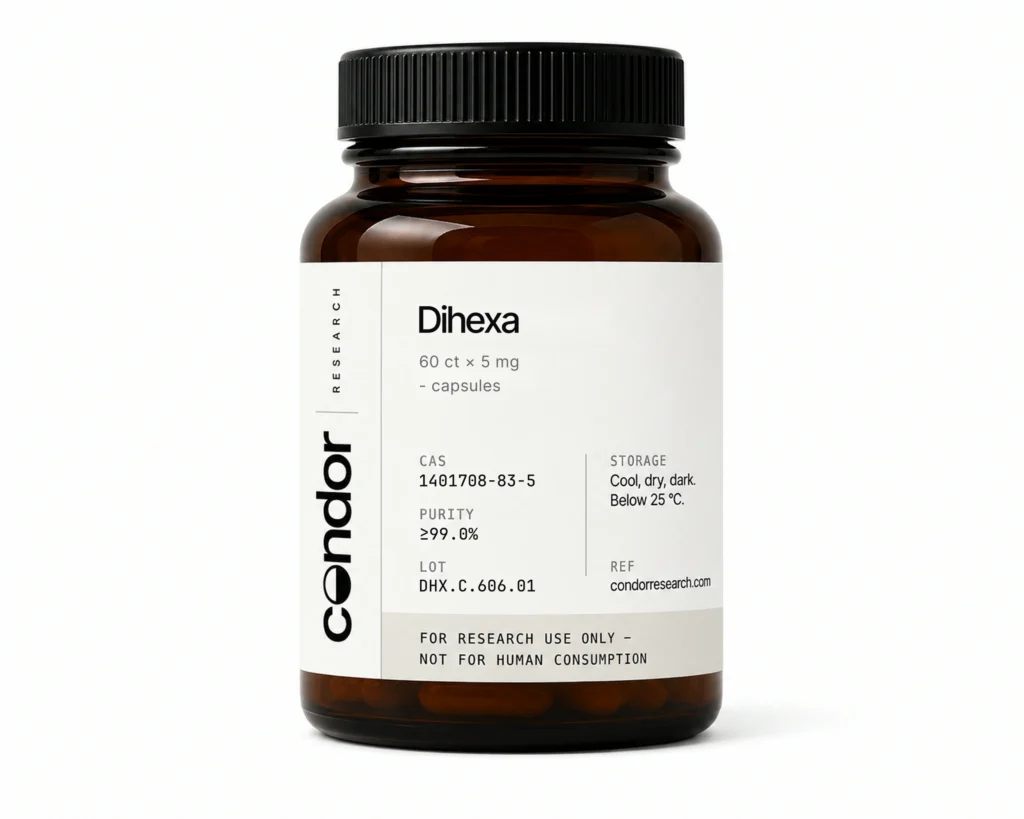
Dihexa is a metabolically stabilised peptidomimetic, derived from angiotensin IV, designed to drive the formation of new synapses through the HGF/c-Met growth system. Here is what the preclinical record actually shows — and the growth-pathway caveat that comes with it.