
KLOW and GLOW Peptide Blends: What Is in Each Vial and What the Research Shows
KLOW is GLOW plus KPV. What each vial contains, the preclinical evidence for GHK-Cu, BPC-157, TB-500 and KPV, and why no study has tested either blend.
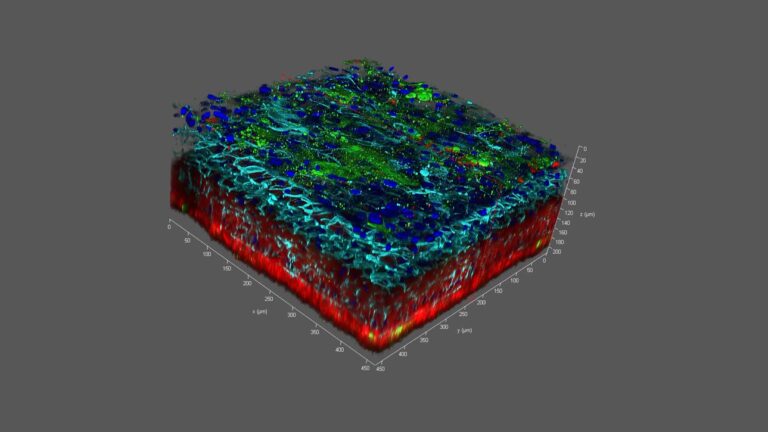
KLOW is GLOW plus KPV. What each vial contains, the preclinical evidence for GHK-Cu, BPC-157, TB-500 and KPV, and why no study has tested either blend.
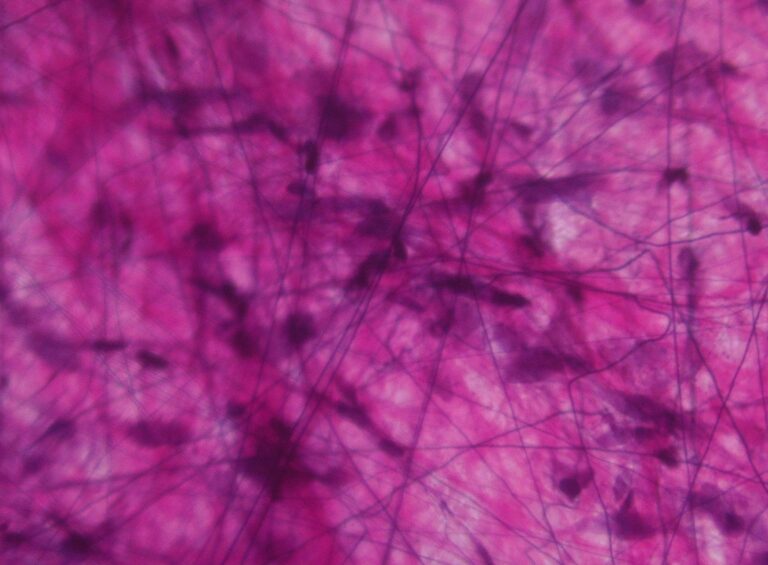
A field guide to the four peptides the wellness world treats as shorthand for “healing” — organised by the mechanism each is actually studied for, and honest about where the evidence runs out.
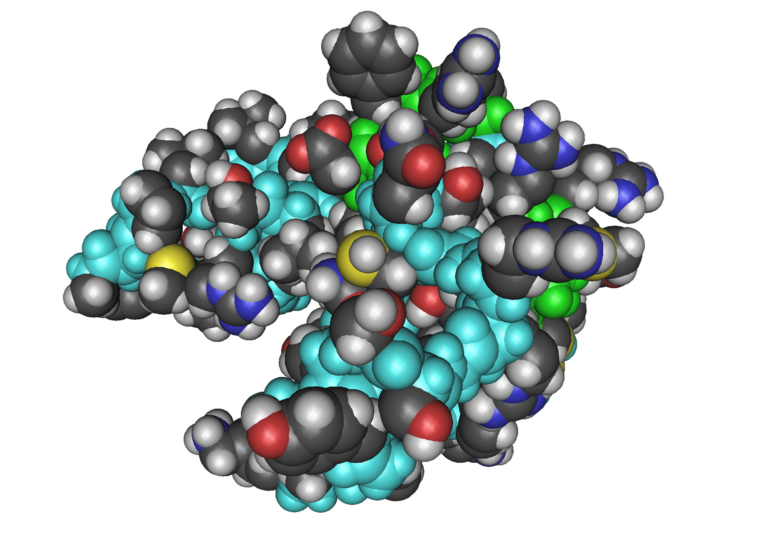
IGF-1 LR3 is a re-engineered version of insulin-like growth factor 1, redesigned to slip past the binding proteins that normally rein it in. Here is what the chemistry actually does, what the preclinical literature shows, and why the honest reading carries a serious caveat.
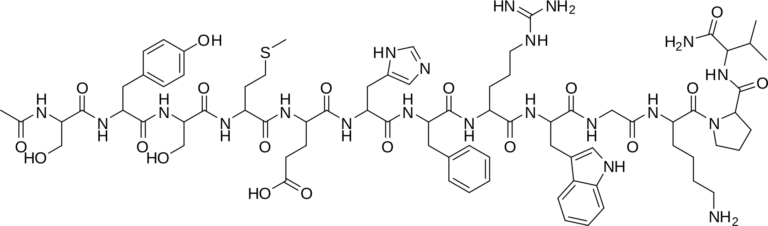
KPV is Lys-Pro-Val, the C-terminal tripeptide of alpha-MSH that preclinical work has studied for its outsized anti-inflammatory activity. A look at what the cell and animal models actually show — and where the human evidence runs out.
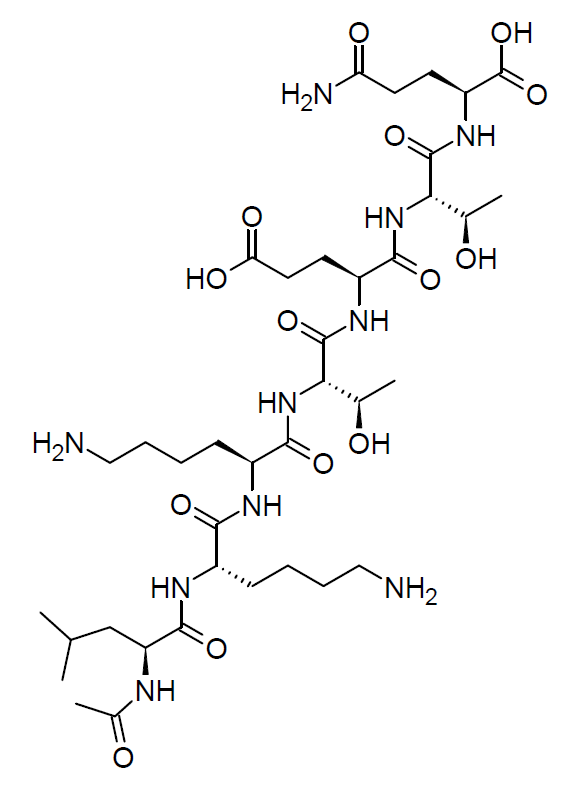
TB-500 is a synthetic version of thymosin β4, a 43-residue protein that helps build and rebuild tissue across the body. Here is what the preclinical research actually shows — and where the human evidence runs thin.
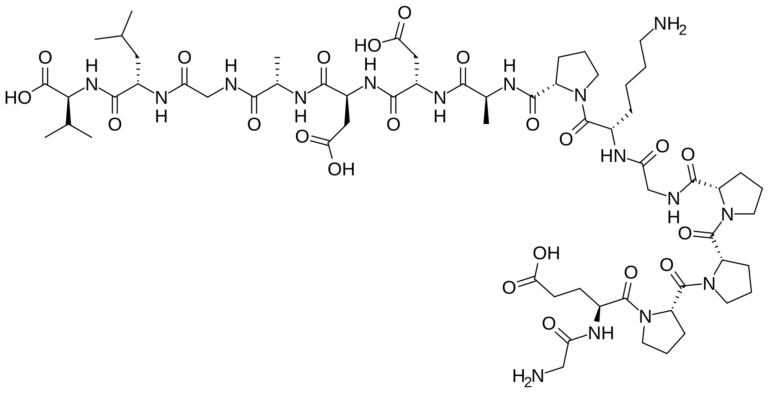
A protein keeps your stomach from digesting itself. Researchers in Zagreb pulled a 15-amino-acid fragment out of it — and started one of the longest-running arguments in regenerative science. Here is what the evidence actually shows.
Cookies
We use strictly necessary cookies to run the store. With your consent we also use analytics (order attribution) and marketing (Omnisend) cookies. Read our Cookie Policy.