
The Condor Research Evidence Ledger: Every Claim, Graded and Cited
The Condor Research Evidence Ledger is a single, openly-licensed record of what the peer-reviewed literature actually shows for each compound in the catalogue — every statement graded by evidence type (human, animal, in-vitro, mechanistic or review), tied to a verified PubMed citation, and paired with an explicit limitation. It is deliberately honest: most findings are preclinical, and a citation is never a claim of human efficacy or a suggestion of human use. Everything listed is supplied strictly for research use only.
The Condor Research Evidence Ledger is a single, openly-licensed record of what the peer-reviewed literature actually shows for each compound in the catalogue — every statement graded by evidence type (human, animal, in-vitro, mechanistic or review), tied to a verified PubMed citation, and paired with an explicit limitation. It is deliberately honest: most findings are preclinical, and a citation is never a claim of human efficacy or a suggestion of human use. Everything listed is supplied strictly for research use only.
Why publish a graded ledger at all?
Most of this field sells certainty it does not have. Condor Research takes the opposite position: the honest, verifiable state of the evidence is the product. Each row below states a finding, grades it by the strongest available evidence type, links the exact PubMed record, and names what the study cannot tell you. Nothing here is dosing guidance, therapeutic advice, or a recommendation for human or veterinary use — it is a research-orientation tool for people who read primary literature.
How the grading works
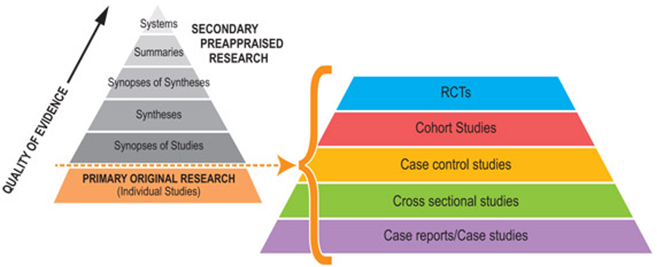
Evidence type, ordered by translational relevance: Human data (controlled or observational human studies) → Animal model (preclinical in-vivo) → In-vitro (cell or biochemical) → Mechanistic (proposed pathway) → Review (secondary synthesis). A higher grade means stronger evidence of an effect in that model — not proof of a human benefit. The full ledger is also available as a machine-readable feed at /data/claims.json under a CC-BY licence.
How to read this ledger. Every statement below is graded by the strongest evidence type available and carries a verified PubMed citation and an explicit limitation. Evidence grades, strongest to weakest for translational relevance: Human data → Animal model → In-vitro → Mechanistic → Review. A citation is not an endorsement of human use: all compounds are supplied strictly for research use only.
5-Amino-1MQ CAS 685079-15-6
- Animal model (preclinical)In diet-induced-obese (DIO) mice, membrane-permeable small-molecule inhibitors of NNMT — including 5-Amino-1MQ — reversed high-fat-diet-induced obesity, reducing body weight and adiposity compared to vehicle controls.Limitation: Murine DIO model only; no controlled human clinical trial data exist for 5-Amino-1MQ.PMID 29155147
- Animal model (preclinical)Genetic knockdown of NNMT in adipose tissue of mice protected against diet-induced obesity, establishing NNMT as a causal metabolic regulator and providing the genetic-validation rationale for pharmacological inhibition with compounds such as 5-Amino-1MQ.Limitation: Evidence is from genetic knockdown in mice, not from pharmacological administration of 5-Amino-1MQ itself; translatability to humans is undemonstrated.PMID 24717514
- Mechanistic5-Amino-1MQ inhibits NNMT, an enzyme that simultaneously consumes nicotinamide (an NAD+ precursor) and SAM (the universal methyl donor), thereby sparing intracellular NAD+ and SAM pools in adipose tissue — a dual-budget effect not produced by single-pathway NAD+ precursors.Limitation: The dual-budget mechanism is established in cell and rodent models; whether the magnitude of NAD+/SAM elevation translates meaningfully in human tissue has not been studied.PMID 29483571
- In-vitroIn differentiating pre-adipocytes (3T3-L1 cell model), NNMT inhibition reduced lipogenesis in a concentration-dependent manner, linking the enzymatic block to a measurable decrease in fat-cell lipid accumulation.Limitation: In vitro cell-culture model only; lipogenesis reduction in pre-adipocytes may not predict outcomes in whole-organism adipose tissue.PMID 29155147
- Animal model (preclinical)Combining a reduced-calorie diet with NNMT inhibition established a distinct gut microbiome composition in DIO mice compared with caloric restriction alone, suggesting NNMT activity influences gut ecology beyond direct adipose effects.Limitation: Single mouse study; the gut-microbiome signal is preliminary and mechanistically unexplained; no human microbiome data exist.PMID 35013352
- Animal model (preclinical)NNMT inhibition mitigated obesity-related metabolic dysfunction in a DIO mouse model, with effects on metabolic parameters beyond body weight, supporting NNMT as a multi-faceted metabolic node rather than a solely adipostatic target.Limitation: Published in 2024, single rodent study; independent replication and human data are lacking.PMID 39161060
- In-vitroSmall-molecule NNMT inhibitors of the 5-Amino-1MQ chemotype demonstrated anti-proliferative activity in HeLa cervical cancer cells in vitro, indicating that the enzyme's role extends to tumour-cell metabolism beyond adipocyte biology.Limitation: In vitro cervical cancer cell line only; anti-proliferative effects in vivo or in human cancer have not been established.PMID 33645410
- Animal model (preclinical)NNMT overexpression in cancer-associated fibroblasts was found to drive tumour progression and resistance to immunotherapy by modulating macrophage polarisation in urothelial bladder cancer models, further establishing NNMT as a research target in tumour-stroma biology.Limitation: Evidence derives from bladder-cancer cell and mouse models; NNMT inhibitor pharmacology (rather than genetic manipulation) in this context requires further study.PMID 39067875
AHK-Cu CAS 682809-81-0
- In-vitroThe literature observed that AHK-Cu (L-alanyl-L-histidyl-L-lysine-Cu²⁺) stimulated the elongation of human hair follicles ex vivo and the proliferation of dermal papilla cells (DPC) in vitro at concentrations of 10⁻¹² to 10⁻⁹ M, with a concomitant reduction in apoptotic markers (elevated Bcl-2/Bax ratio, decreased caspase-3 and PARP).Limitation: Ex vivo and in vitro study exclusively (isolated human follicles and cell cultures); no data in living humans. Small sample; long-term safety and clinical efficacy were not assessed.PMID 17703734
- In-vitroThe literature observed that AHK-Cu stimulated dermal fibroblast proliferation and raised VEGF (vascular endothelial growth factor) production, while reducing TGF-β1 secretion, suggesting a favourable profile for tissue remodelling without excess fibrosis.Limitation: Preclinical cell-culture data only; the effects on VEGF and TGF-β are mentioned as study background, not as the trial’s primary outcome. No independent replication specific to AHK-Cu in fibroblasts has been published.PMID 17703734
- In-vitroThe literature observed that structural analogues of the Ala-His-Lys motif with Cu²⁺ (specifically DAHK, the N-terminal tetrapeptide of human albumin) prevented the formation of reactive oxygen species (ROS) induced by free copper, inhibiting LDL lipid peroxidation and TBARS formation across physiological and acidic pH ranges.Limitation: The data are for DAHK (Asp-Ala-His-Lys), a structural analogue tetrapeptide that shares the His-Lys chelation motif with AHK-Cu but is not identical to it. Direct extrapolation to AHK-Cu requires independent experimental verification.PMID 11396981
- Animal model (preclinical)The literature observed that a topical tripeptide-copper complex (GHK-Cu; Iamin 2% Gel) accelerated the healing of open ischaemic wounds in Sprague-Dawley rats: by day 13 the wound area had shrunk by 64.5% in the treated group versus 28.2% in controls, with a significant decrease in TNF-α, MMP-2 and MMP-9.Limitation: The compound tested is GHK-Cu (Gly-His-Lys-Cu²⁺), not AHK-Cu; they are analogues within the same family of tripeptide-copper complexes but with different sequences. Results are not directly transferable to AHK-Cu without dedicated studies. Animal model (rat); no clinical trials in humans.PMID 14648529
- MechanisticThe literature observed, via isothermal titration calorimetry (ITC), that the copper-chelating motifs DAHK and GHK — the family to which AHK belongs — bind Cu²⁺ with 1:1 stoichiometry and conditional dissociation constants in the subfemtomolar range at pH 7.4, indicating a high-affinity chelation capacity relevant to copper bioavailability in physiological settings.Limitation: Biochemical chelation data for DAHK and GHK; AHK itself was not directly measured. The exact affinity of AHK-Cu may differ. Biological effects and in vivo bioavailability are not assessed.PMID 21898044
AICAR (5-Aminoimidazole-4-carboxamide ribonucleotide / Acadesine) CAS 3031-94-5
- Animal model (preclinical)The literature observed that AICAR activates AMPK in rat skeletal muscle and simultaneously increases fatty-acid oxidation and glucose uptake under in vitro and in vivo conditions, establishing the compound’s fundamental mechanism of action as a metabolic mimetic.Limitation: Rat study (Am J Physiol 1997); translation data to humans are indirect, and no controlled clinical trials confirm equivalent effects in human muscle with systemically administered AICAR.PMID 9435525
- Animal model (preclinical)The literature observed that combining AICAR (an AMPK activator) with the PPARδ agonist GW501516 increased aerobic endurance capacity by up to 44% in sedentary mice after four weeks of treatment, without physical training, in what was termed an ‘exercise mimetic’ in a study published in Cell.Limitation: Murine model (Narkar et al., Cell 2008); the effect was attributed in part to GW501516 (not available for human use owing to its safety profile). No equivalent efficacy data exist in humans for AICAR alone.PMID 18674809
- Human dataThe literature observed that AICAR, administered IV in the context of coronary bypass surgery (the RED-CABG trial), did not significantly reduce the composite endpoints of mortality, myocardial infarction, stroke or renal failure compared with placebo in a multicentre randomised controlled phase III trial (n≈3,080).Limitation: Negative result on the primary endpoint (JAMA 2012, RED-CABG); the indication was perioperative cardioprotection, not metabolic. The trial’s failure limits extrapolation to other use hypotheses. Dose and route of administration (IV) differ from any non-clinical research scenario.PMID 22782417
- Animal model (preclinical)The literature observed that AICAR activates AMPK in rat skeletal muscle and promotes transcription of the GLUT-4 transporter, suggesting an insulin-independent mechanism for AMPK-mediated glucose uptake; subsequent studies in denervation models showed that AICAR prevents the GLUT-4 decline associated with muscle inactivity.Limitation: Rat models (J Appl Physiol 2001); physiological relevance in human muscle has not been established in controlled clinical trials with AICAR. The AMPK→GLUT-4 mechanism is biologically plausible but not therapeutically confirmed in humans.PMID 11641350
- Animal model (preclinical)The literature observed that administering AICAR to rats on a high-fat diet reduced markers of hepatic inflammation (NF-κB, TNF-α) and improved histological parameters of non-alcoholic steatohepatitis (NAFLD), as well as restoring hepatic mitochondrial and endoplasmic-reticulum function.Limitation: Rat model on a hypercaloric diet (Int J Mol Sci 2023); no clinical trials in humans with NAFLD have evaluated AICAR. The proposed mechanisms (HGF/NF-κB/SNARK) require validation in human models.PMID 36834782
- Animal model (preclinical)The literature observed that acadesine (AICAR) exhibits antitumour activity in vitro and in vivo in mantle cell lymphoma models, and that its combination with rituximab shows synergy in murine xenograft models, mediated in part by AMPK activation and reduced mTOR signalling.Limitation: In vitro and murine xenograft models (Oncotarget 2014); antitumour activity of AICAR in lymphoma patients has not been demonstrated in controlled clinical trials. Positive preclinical haematology data have not translated into regulatory approvals.PMID 24519895
- Animal model (preclinical)The literature observed that co-administering AICAR with myostatin inhibition in aged mice preserved skeletal-muscle mass and function better than either intervention alone, with effects associated with the induction of AMPK-dependent oxidative metabolism, suggesting a potential role in sarcopenia in animal models.Limitation: Study in aged mice (J Gerontol A 2015); the observed benefit required combination with myostatin inhibition. No clinical data exist in humans on AICAR for sarcopenia. Extrapolation to human ageing is speculative.PMID 25227129
AOD-9604 CAS 221231-10-3
- Animal model (preclinical)The literature observed that chronic treatment with AOD-9604 (the C-terminal lipolytic fragment of human GH, residues 177–191) reduced body weight and increased fat oxidation in obese (ob/ob) mice, with efficacy comparable to full-length GH but without its diabetogenic or longitudinal-growth effects.Limitation: Genetic obesity mouse model (ob/ob); extrapolation to human weight regulation has not been established in published controlled efficacy trials.PMID 11673763
- Animal model (preclinical)The literature observed that AOD-9604 stimulated lipolysis in isolated adipocytes and inhibited lipogenesis, and that these effects persisted in mice with knockout of the β3-adrenergic receptor, suggesting a lipolytic signalling pathway independent of β3-AR.Limitation: In vivo studies in mice and in isolated rodent adipocytes; the exact receptor mechanism in human adipose tissue has not been characterised.PMID 11713213
- Mixed evidenceThe literature observed that AOD-9604 has a favourable metabolic profile for a peptide of its class: it does not interact with GH or IGF-1 receptors, does not raise circulating IGF-1 levels, and does not interfere with WADA’s GH isoform assay, functionally distinguishing it from exogenous GH.Limitation: The study on the WADA assay is analytical (in vitro), not clinical; the absence of interaction with GH/IGF-1 receptors is based on data for the original compound (Ng FM et al., Horm Res 2000) and not on advanced-phase trials.PMID 24124033
- Mixed evidenceThe literature observed that metabolic studies of the synthetic lipolytic domain AOD-9604 showed a short plasma half-life and a safety profile with no relevant acute toxicity in animal models at the doses tested, advancing to phase II clinical evaluations for the treatment of obesity.Limitation: Primary safety data from the preclinical phase; the phase II/III clinical trials (Metabolic Pharmaceuticals) did not result in regulatory approval for the obesity indication; the full data from those trials are not openly accessible.PMID 11146367
- Animal model (preclinical)The literature observed that intra-articular injection of AOD-9604 with or without hyaluronic acid histologically improved articular cartilage integrity and reduced degradation markers in a rabbit osteoarthritis model, suggesting a chondroprotective potential that motivated further investigation.Limitation: Animal model (rabbit); evidence is exclusively preclinical. No published controlled clinical trials confirm chondroprotective efficacy in humans.PMID 26275694
- Review / secondaryThe literature observed that AOD-9604 was classified by reviewers as one of the anti-obesity therapeutic candidates with a novel mechanism evaluated in clinical development in the mid-2000s, highlighting its selectivity for adipose tissue over other metabolic targets.Limitation: 2006 narrative review; the AOD-9604 clinical programme for obesity was discontinued without regulatory approval. This citation describes the state of development at that historical point, not demonstrated clinical efficacy.PMID 16625817
ARA-290 (Cibinetide) CAS 1208243-50-8
- Human dataThe literature observed that ARA-290 (4 mg/day s.c. × 28 days) was safe and well tolerated in patients with sarcoidosis and small-fibre neuropathy (SFN) symptoms, with improvements in neuropathic pain, fatigue and autonomic symptoms versus placebo in a randomised double-blind pilot study.Limitation: Small pilot study (n=23); population restricted to sarcoidosis; not replicated in a completed phase 3 trial. RUO framework: no approved therapeutic doses.PMID 23168581
- Human dataThe literature observed that in patients with sarcoidosis and small-nerve-fibre loss, treatment with ARA-290 was associated with an increase in corneal nerve fibre density (CNFD) and improvement in SFN symptoms, suggesting a neuroregenerative effect in human tissue.Limitation: Study not placebo-controlled for the CNFD endpoint; small sample; regeneration vs. protection mechanism not differentiated. RUO framework.PMID 24136731
- Animal model (preclinical)The literature observed that ARA-290 attenuates pathophysiological pain in animal models by acting on the TRPV1 channel, with evidence of integration between immune signalling and nociception, independent of erythropoietic activity.Limitation: Exclusively preclinical data (rodent); translational relevance to human neuropathic pain is not established in controlled trials. RUO framework.PMID 26774587
- Animal model (preclinical)The literature observed that ARA-290 inhibited macrophage activation and reduced damage to transplanted islets in transplant models, without exerting haematopoietic activity, positioning it as a non-erythropoietic analogue with immunomodulatory properties.Limitation: Murine transplant model; efficacy in clinical human transplantation not demonstrated in phase 3 trials. RUO framework.PMID 26683514
- Human dataThe literature observed that in a phase 2 clinical trial, cibinetide (ARA-290) did not reach statistical significance on the primary endpoint of diabetic macular oedema (BCVA), although it showed acceptable safety signals; the trial was limited by sample size and selection criteria.Limitation: Primary endpoint not met; phase 2 trial underpowered for visual endpoints; no regulatory approval exists for this indication. RUO framework.PMID 32674280
- Animal model (preclinical)The literature observed that early monocyte modulation by ARA-290 slowed the progression of Alzheimer’s-like pathology in animal models, suggesting a role for the innate repair receptor (IRR) in chronic neuroinflammation.Limitation: Exclusively preclinical study (murine Alzheimer’s model); translation to human dementia has not been evaluated in clinical trials. RUO framework.PMID 34343617
- Animal model (preclinical)The literature observed that cibinetide (ARA-290) improved allogeneic islet graft function in transplant models, reducing early graft loss associated with inflammatory response, with the mechanism attributed to IRR activation.Limitation: Rodent islet-transplant model; clinical evidence in human islet transplantation is preliminary (separate studies, not phase 3). RUO framework.PMID 32345869
BPC-157 CAS 137525-51-0
- Animal model (preclinical)In a rat model of tendon injury, BPC-157 promoted tendon fibroblast outgrowth, improved cell survival, and increased cell migration in vitro, suggesting a role in tissue-repair signalling at the cellular level.Limitation: In vivo component conducted entirely in rat; no human tendon data available; single research group.PMID 21030672
- Animal model (preclinical)In a rat ligament-healing model, systemic and local administration of BPC-157 accelerated ligament repair, as assessed by histology and biomechanical testing, compared to untreated controls.Limitation: Rodent model only; ligament-healing endpoints may not translate to human anatomy or repair kinetics.PMID 20225319
- Animal model (preclinical)In a rabbit segmental bone-defect model, BPC-157 demonstrated osteogenic activity, promoting bone healing comparable to autologous cortical bone implantation in a small-animal surgical preparation.Limitation: Small sample sizes in rabbit model; osteogenic mechanism not fully elucidated; no human bone-healing trials.PMID 10071911
- Animal model (preclinical)Preclinical work in rat vascular preparations showed BPC-157 modulates vasomotor tone and activates the Src-Caveolin-1-eNOS pathway, implicating nitric-oxide signalling as a mechanistic contributor to its reported vascular effects.Limitation: Mechanism characterised in isolated rat vessel preparations; whether this pathway is activated in vivo in intact organisms, or in humans, has not been demonstrated.PMID 33051481
- Review / secondaryA 2025 systematic review of the BPC-157 literature (Hospital for Special Surgery) found 35 of 36 identified studies were preclinical (cell or animal), with only one clinical study identified, underscoring the predominantly preclinical evidence base.Limitation: Narrative and systematic searches may have missed grey literature; the one identified clinical study was small and not powered for efficacy.PMID 40789979
- Review / secondaryA 2026 narrative review concluded BPC-157 should be considered investigational, noting that fundamental clinical parameters — including indications, dosing and treatment duration — remain undefined for human use.Limitation: Narrative review; subject to author selection bias; absence of clinical data limits conclusions beyond recommending further controlled investigation.PMID 41898733
- MechanisticBPC-157 is a synthetic 15-amino-acid pentadecapeptide (sequence Gly-Glu-Pro-Pro-Pro-Gly-Lys-Pro-Ala-Asp-Asp-Ala-Gly-Leu-Val) derived from a partial sequence within human gastric juice protective protein; it demonstrates notable aqueous stability and resistance to acid degradation compared to structurally analogous peptides.Limitation: Stability data generated in controlled in vitro conditions; biopharmaceutical behaviour in complex biological matrices remains incompletely characterised.PMID 42198317
- Animal model (preclinical)In a rat model of muscle crush injury, BPC-157 administered intraperitoneally reduced macroscopic and histological damage markers compared to controls, consistent with a cytoprotective effect in acute soft-tissue trauma.Limitation: Rodent crush-injury model; effect size and reproducibility across independent laboratories not established; no human data.PMID 18668315
Cerebrolysin CAS 12656-61-0
- Human dataThe literature observed that Cerebrolysin improved cognition and global function in patients with vascular dementia in randomised controlled trials; a Cochrane review of six RCTs (597 participants) reported benefits in cognition and general function with no signals of significant adverse effects, although the authors rated the conclusions as inconclusive owing to heterogeneity and high risk of bias in the included studies.Limitation: Cochrane review (2019) of six RCTs with important methodological limitations: high risk of bias in the primary studies, substantial heterogeneity in dose and duration, and no new trials incorporated since the 2013 review. The observed effects could be clinically non-significant. No high-quality trials have been published since.PMID 31710397
- Human dataThe literature observed that a prospective meta-analysis of the CAPTAIN trial series (two phase IIIb/IV RCTs, 185 patients, GCS 6-12) found a statistically significant ‘small-to-medium’ magnitude effect favouring Cerebrolysin across a multidimensional set of functional and neuropsychological scales at day 30 in moderate-severe traumatic brain injury.Limitation: Prospective meta-analysis of only two trials with a limited sample size (n=185); both trials were funded by EVER Neuro Pharma (Cerebrolysin’s manufacturer), introducing sponsor-bias risk. The primary endpoint is composite and multidimensional, which complicates clinical interpretation. Cerebrolysin is not approved by the FDA or EMA for TBI.PMID 33620612
- Human dataThe literature observed that a meta-analysis of six double-blind, placebo-controlled RCTs of Cerebrolysin (30 ml/day) in mild-to-moderate Alzheimer’s disease showed a statistically significant overall beneficial effect on cognition and global clinical change, with a favourable benefit-risk ratio compared with placebo.Limitation: 2015 meta-analysis with six RCTs; most included trials were sponsored by the manufacturer (EVER Neuro Pharma). Moderate effect size; more recent, larger-sample trials in Alzheimer’s have yielded less consistent results. The route of administration (daily IV infusion) limits practical applicability in non-clinical research.PMID 25832905
- Human dataThe literature observed that an updated systematic Cochrane review (2023, 7 RCTs, 1773 participants) on acute ischaemic stroke concludes with moderate-certainty evidence that Cerebrolysin probably has no beneficial effect on all-cause mortality and flags a possible increase in non-fatal serious adverse events, qualifying the positive results of earlier trials in this indication.Limitation: The certainty of evidence is moderate (not high) per GRADE criteria. Most included trials were conducted in Russia, Eastern Europe and Asia, with heterogeneous protocols and populations. The finding of a possible increase in non-fatal serious adverse events requires cautious interpretation and independent replication.PMID 37818733
- Animal model (preclinical)The literature observed that in a rat model of maternal deprivation, treatment with Cerebrolysin increased dendritic intersections and BDNF (brain-derived neurotrophic factor) levels in the amygdala, suggesting a neurotrophic mechanism of action that could underlie its effects on neuronal plasticity in preclinical models of early-life stress.Limitation: Preclinical study in male Sprague-Dawley rats with n=7 per group (very small). The findings on BDNF and dendritic plasticity in a maternal-deprivation model are not directly extrapolable to human conditions or to the clinical uses under investigation in humans. The effect showed no statistically significant differences on the social-behaviour test between the MD and MD+CBL groups.PMID 40123021
- Review / secondaryThe literature observed that Cerebrolysin, described as a multi-target drug, is thought to exert neuroprotective effects through activation of signalling pathways implicated in neurological regeneration (including neurotrophic, anti-apoptotic and anti-inflammatory pathways), according to a narrative review that grounds its documented clinical use in more than 50 countries for stroke, neurodegeneration and traumatic brain injury.Limitation: Narrative (not systematic) review, susceptible to literature-selection bias. The described mechanisms are inferred mainly from preclinical studies; direct translation to humans is not robustly established. Cerebrolysin is a complex mixture of peptides and amino acids derived from porcine brain, so batch standardisation is a confounding factor across all studies.PMID 33515100
CJC-1295 (with DAC) CAS 446262-90-4
- Human dataCJC-1295 DAC is a synthetic GHRH analogue that binds covalently to serum albumin via a maleimidopropionyl-lysine Drug Affinity Complex (DAC), extending its circulating half-life to an estimated 5.8–8.1 days in healthy adult volunteers following a single subcutaneous injection.Limitation: Single phase-1 study in a small cohort of healthy volunteers; no replication in disease populations or long-term follow-up published.PMID 16352683
- Human dataIn two randomised, placebo-controlled, ascending-dose trials in healthy adults, a single subcutaneous injection of CJC-1295 produced dose-dependent increases in mean plasma GH of approximately 2- to 10-fold lasting six days or longer, and in mean IGF-1 of 1.5- to 3-fold lasting 9–11 days.Limitation: Surrogate biomarker endpoints (GH and IGF-1) only; no functional or clinical outcome data; study discontinued before further development.PMID 16352683
- Human dataDuring continuous CJC-1295 stimulation in healthy adult subjects, pulsatile GH secretion is preserved rather than flattened, indicating that endogenous somatostatin tone continues to gate pituitary GH release even under sustained GHRH-receptor drive.Limitation: Small study in healthy volunteers; long-term preservation of pulsatility under repeated multi-week dosing has not been characterised in humans.PMID 17018654
- Animal model (preclinical)Once-daily administration of CJC-1295 normalised growth in GHRH-knockout mice that otherwise fail to grow, demonstrating functional substitution of the missing native GHRH signal by the long-acting analogue in a well-characterised animal model.Limitation: GHRH-knockout mouse model; results obtained in a constitutively GHRH-deficient background and cannot be extrapolated to normal physiology or human GH deficiency.PMID 16822960
- Animal model (preclinical)hGRF(1-29)-albumin bioconjugates — the chemical class from which CJC-1295 DAC was identified — activate the GRF receptor on rat anterior pituitary somatotrophs, establishing the molecular mechanism by which albumin conjugation confers prolonged pituitary stimulation.Limitation: Receptor-activation data from rat pituitary; DAC binding kinetics and receptor-occupancy profiles in humans are not directly characterised.PMID 15817669
- Human dataActivation of the GH/IGF-1 axis by CJC-1295 in normal adult subjects is accompanied by measurable shifts in serum protein profiles, including changes in IGF-binding proteins, consistent with downstream GH-axis engagement beyond the acute GH and IGF-1 biomarker responses.Limitation: Observational proteomics data from a small healthy-volunteer cohort; the functional significance of individual protein-profile changes was not established.PMID 19386527
- MechanisticNative GHRH(1-44) and its GRF(1-29) fragments are rapidly degraded in human plasma primarily by dipeptidyl peptidase-IV (DPP-IV) and trypsin-like enzymes, providing the mechanistic rationale for the amino-acid substitutions and albumin-binding strategies used to engineer CJC-1295's extended pharmacokinetics.Limitation: In vitro and ex vivo plasma degradation study; does not directly measure the degree of DPP-IV protection conferred by CJC-1295's specific substitutions in vivo.PMID 2565342
Cortagen CAS 335591-03-2
- Animal model (preclinical)The preclinical literature observed that intramuscular injection of cortagen (10 µg/kg over 10 days) in rats with sectioned and sutured sciatic nerve increased the growth rate of regenerating nerve fibres by 27% and conduction velocity by 40% relative to the control group.Limitation: Preclinical study in rats; single dose, small group size not reported; no published independent replication; not directly extrapolable to humans.PMID 11276314
- Animal model (preclinical)The preclinical literature observed that cortagen exerts a delayed effect on the restoration of injured nerve function in rats, suggesting a prolonged therapeutic window beyond the acute administration period.Limitation: Short communication (2 pages); limited methodological detail; rat animal model only; no controlled trials exist in humans.PMID 12134478
- Animal model (preclinical)A microarray analysis of 15,247 transcripts in female mouse heart (6 months, CBA) after 5 days of cortagen treatment identified 234 clones with significant expression change (110 known genes across various functional categories), with maximal regulation of +5.42 and -2.86, revealing effects on cardiac gene expression in addition to its primary CNS activity.Limitation: Exploratory transcriptomics study in a single animal model and sex; the functional relevance of the expression changes was not functionally validated; the group’s origin (Institute of Bioregulation, co-authors of the peptide) is a potential source of bias.PMID 15159690
- Animal model (preclinical)The preclinical literature observed that cortagen and cortexin (bovine cerebral cortex polypeptide) accelerated the recovery of altered individual behaviour in ischaemic rats with differing hypoxia resistance, and prevented excessive activation of lipid peroxidation and the decline in antioxidant activity in brain tissue during chronic cerebral ischaemia.Limitation: Article in Russian (only an English abstract available); cortagen was studied alongside cortexin without a comparison between the two agents; no long-term follow-up group; chronic ischaemia animal model.PMID 21476278
- Animal model (preclinical)The preclinical literature observed that injecting cortagen (together with epithalon) into rats reduced the content of lipid peroxidation (LPO) products and oxidative protein modification in serum and cerebral cortex, suggesting antioxidant activity in nervous tissue.Limitation: Cortagen evaluated in combination with epithalon, not in isolation; the observed antioxidant effect does not allow the individual contribution of each peptide to be disentangled; short-communication study.PMID 18239817
- In-vitroThe in vitro literature observed that cortagen shows tissue-specific activity: it stimulated the growth of rat cerebral-cortex explants in organotypic culture, an effect not observed in explants from other organs (liver, thymus), while homologous peptides (livagen, vilon) selectively stimulated their respective target tissues.Limitation: In vitro model (organotypic culture); sample size not specified in the abstract; all experiments originate from the same laboratory that developed the peptide; no independent validation.PMID 11713572
- In-vitroThe literature observed that cortagen (Ala-Glu-Asp-Pro) induced selective de-heterochromatinisation of chromosomal regions in cultured lymphocytes from individuals aged 75-88, including decondensation of heterochromatin and activation of ribosomal genes at the satellite stalks of acrocentric chromosomes, without affecting structural pericentromeric heterochromatin.Limitation: Ex vivo study in aged human lymphocytes in culture; the functional relevance of the observed epigenetic changes is not linked to clinical outcomes; small donor sample not reported in detail.PMID 37042594
Dihexa CAS 1401708-83-5
- Animal model (preclinical)The preclinical literature observed that Dihexa (N-hexanoic-Tyr-Ile-(6) aminohexanoic amide) is an angiotensin IV (AngIV) analogue designed to be orally active and permeable to the blood-brain barrier, properties its peptide precursors lacked; in rat models with cognitive deficit induced by scopolamine or ageing, it reversed alterations in the Morris water maze.Limitation: Preclinical study in rats (small n); the article carries an Expression of Concern issued by JPET in 2021, though it has not been retracted. No clinical trials exist in humans. Effects on human cognition are unknown.PMID 23055539
- Review / secondaryA systematic review of 32 experimental studies observed that AngIV and its analogues (including Dihexa) improved performance on spatial-memory and passive-avoidance tasks in 8 of 9 animal cognitive-deficit models; intracerebroventricular administration proved more effective than systemic administration.Limitation: Review limited to non-human animal studies; none of the included studies was a clinical trial in humans. Heterogeneity across models, species and administration routes complicates direct extrapolation.PMID 29733881
- MechanisticThe literature proposes that Dihexa’s procognitive mechanism of action involves allosteric activation of the HGF/c-Met system: Dihexa dimerises with endogenous HGF to potentiate c-Met receptor signalling, promoting dendritic arborisation, spinogenesis and synaptogenesis in the hippocampus according to in vitro and animal models.Limitation: The mechanistic evidence on HGF/c-Met rests mainly on animal models and in vitro studies; the original article that proposed it (Benoist et al. 2014, PMID 25187433) was retracted in 2025, introducing uncertainty about the robustness of the underlying imaging data. Wright & Harding 2015 (PMID 25649658) is a narrative review with no data of its own.PMID 25649658
- Animal model (preclinical)In transgenic APP/PS1 mice (an Alzheimer’s disease model), oral administration of Dihexa restored spatial learning in the Morris water maze, increased expression of synaptophysin (a synaptic marker), reduced pro-inflammatory cytokines (IL-1β, TNF-α) and increased IL-10, with effects mediated by the PI3K/AKT pathway according to the authors.Limitation: Study in a single transgenic mouse model; sample size not specified in the abstract. No safety or efficacy studies have been conducted in humans. APP/PS1 models do not fully recapitulate human Alzheimer’s disease.PMID 34827486
- Animal model (preclinical)In a rat model of sciatic nerve injury and repair, the combination of mesenchymal stem cells + Dihexa administered intramuscularly into the gastrocnemius significantly improved (p < 0.05) motor function as measured by footprint analysis between weeks 8 and 16 post-nerve-repair, and mitigated foot flexion contractures.Limitation: Combined design (Dihexa was not evaluated as monotherapy in all groups); n = 6-8 rats per group. Preclinical study in Lewis rats; extrapolation to human peripheral nerve regeneration requires validation in clinical trials.PMID 34703584
- Animal model (preclinical)In a larval zebrafish model, Dihexa at 1 µM offered significant protection to lateral-line hair cells against aminoglycoside ototoxins (neomycin, gentamicin), with protection partially blocked by Akt, TOR and MEK inhibitors, suggesting mediation by the intracellular HGF cascade.Limitation: Larval zebrafish model; human inner-ear hair cells differ in regenerative properties. There are no data in mammals or humans on otoprotection by Dihexa.PMID 25674052
- Animal model (preclinical)A 2024 study observed that Dihexa (PNB-0408) did NOT attenuate Huntington’s-disease-like symptoms induced by 3-nitropropionic acid in Wistar rats, with no significant differences in body weight, motor function or spatial memory relative to the neurotoxin-only untreated group.Limitation: Negative result in a single preclinical HD model; the authors note that alternative models or different approaches may be needed. The 3-NP model is not identical to genetic Huntington’s disease. This result underscores that Dihexa’s efficacy is context-dependent on the pathology.PMID 38489193
DSIP (Delta Sleep-Inducing Peptide) CAS 62568-57-4
- Review / secondaryThe literature observed that DSIP is a nonapeptide (Trp-Ala-Gly-Gly-Asp-Ala-Ser-Gly-Glu) originally isolated from rabbit hypothalamus that, in animal models, promoted delta (slow-wave) sleep after intracerebroventricular administration, this being its foundational effect described in the 1970s-80s.Limitation: Narrative review of preclinical literature and early human studies; the direct translational relevance of the delta-sleep effect in humans remains debated. DSIP’s receptor mechanism has not been fully characterised.PMID 6145137
- Human dataThe literature observed that in small studies with chronic insomnia patients, intranasal or subcutaneous administration of synthetic DSIP was associated with subjective changes in sleep quality and in some polysomnographic parameters, although results were heterogeneous across studies.Limitation: Double-blind study (Bes et al. 1992) with a small sample (reduced n), non-standard administration routes for clinical use, no replication in larger-scale trials or with rigorous controls. Not approved by any regulatory agency as a treatment.PMID 1299794
- Animal model (preclinical)The literature observed that DSIP modulates the hypothalamic-pituitary-adrenal axis: in animal preparations, the peptide reduced CRF (corticotropin-releasing factor)-induced corticosterone release, suggesting a modulatory role over the neuroendocrine stress response.Limitation: In vivo animal model (Graf et al. 1985, Neuroendocrinology); no controlled clinical trials confirm this effect in humans. The physiological relevance of endogenous DSIP in regulating the HPA axis in humans is uncertain.PMID 2995861
- Animal model (preclinical)The literature observed that DSIP crosses the blood-brain barrier and the blood-CSF barrier in animal models, which has been proposed as the mechanism enabling its central action following peripheral administration.Limitation: Study in animal preparations (Zlokovic et al. 1988, Peptides); the documented transfer rate is low and dose-dependent. In vivo efficacy after peripheral administration in humans has not been validated in controlled trials.PMID 3420012
- Animal model (preclinical)The literature observed that DSIP and its tetrapeptide analogue showed anticonvulsant effects in animal models of metaphit-induced seizures, reducing the severity of epileptic episodes.Limitation: Preclinical study in rats (Stanojlović et al. 2004, Pharmacol Biochem Behav); no evidence exists in humans. The metaphit model is specific and difficult to extrapolate directly to clinical epilepsies.PMID 14751449
- Animal model (preclinical)The literature observed that administering DSIP to rats with experimental focal ischaemic stroke was associated with partial recovery of motor function, with neuroprotective mechanisms proposed as a possible explanation.Limitation: Study in Sprague-Dawley rats (Tukhovskaya et al. 2021, Molecules); animal stroke models have a low translation rate to clinical outcomes in humans. No clinical trials exist in stroke patients.PMID 34500605
- Review / secondaryA narrative review of the literature (Kovalzon & Strekalova, J Neurochem 2006) concluded that DSIP remains an ‘unresolved enigma’: despite decades of research, its specific receptor, precise mechanism of action, and endogenous physiological role in humans have not been definitively determined.Limitation: Non-systematic narrative review (no meta-analysis); reflects the state of knowledge up to 2006. The field has not advanced substantially since then in mechanistic characterisation. This fundamental limitation affects the interpretation of all claims about DSIP.PMID 16539679
Enclomiphene CAS 15690-57-0
- Human dataThe literature observed that enclomiphene, a non-steroidal estrogen-receptor antagonist (the trans-isomer of clomiphene), raises total serum testosterone in men with secondary hypogonadism by blocking hypothalamic-pituitary negative feedback, consequently increasing endogenous LH and FSH.Limitation: Narrative review/drug-in-development profile (2009); not a primary trial with long-term clinical outcomes. The mechanism is well established but chronic safety data were limited at the time of publication.PMID 19204885
- Human dataIn a phase IIB trial (n=12 men with secondary hypogonadism), the literature observed that oral enclomiphene citrate restored total testosterone levels to ~545 ng/dL at 6 months, comparable to topical testosterone gel (~525 ng/dL), while maintaining sperm counts within the normal range — unlike the testosterone gel group, where spermatogenesis was suppressed.Limitation: Very small sample (n=12), open-label design, two centres, no placebo group. Sperm results are indicative but not definitive.PMID 23530575
- Human dataIn two randomised, double-blind, controlled phase III trials (the ZA-304 and ZA-305 studies), the literature observed that oral enclomiphene citrate (12.5–25 mg/day for 16 weeks) increased total testosterone, LH and FSH in obese men with secondary hypogonadism, while preserving sperm concentration within the normal range; in contrast, testosterone gel raised testosterone but markedly reduced spermatogenesis.Limitation: The population studied was predominantly overweight or obese men (elevated BMI); results may not generalise to men with secondary hypogonadism of other aetiologies. Only 16 weeks of follow-up.PMID 26496621
- Human dataIn a randomised phase II trial (n=44 completing per protocol), the literature observed that three doses of enclomiphene citrate (6.25, 12.5 and 25 mg/day for 6 weeks) raised total testosterone in a dose-dependent manner, reaching a mean of 604 ± 160 ng/dL at the highest dose (25 mg), and that LH and FSH levels remained elevated for at least one week after treatment discontinuation.Limitation: Phase II study, short duration (6 weeks), single-blind. Maintenance of the effect beyond one week post-discontinuation was not assessed.PMID 23875626
- Human dataIn a randomised phase II clinical trial (n not specified in the abstract), the literature observed that enclomiphene citrate stimulated endogenous testosterone production while preventing oligospermia, in contrast to exogenous testosterone, which suppresses it.Limitation: Phase II trial with limited follow-up; sample size and long-term safety profile require additional studies for robust clinical validation.PMID 25044085
- Review / secondaryA meta-analysis of randomised controlled trials (through July 2024) observed that SERM therapy (clomiphene/enclomiphene) significantly improved total testosterone (mean difference: +273.76 ng/dL; 95% CI: 191.87–355.66 ng/dL), LH (MD: +4.66 IU/L) and FSH (MD: +4.59 IU/L) versus placebo in men with functional hypogonadism, with no significant difference in total testosterone compared with testosterone gel.Limitation: High statistical heterogeneity on the total-testosterone endpoint (I²=89%). Most included trials pool clomiphene and enclomiphene; enclomiphene’s specific effects alone require more granular subgroup analysis. Follow-up in the included studies was generally ≤6 months.PMID 41066380
- Human dataIn a retrospective study (n=66 patients who received clomiphene first and then enclomiphene), the literature observed that enclomiphene produced a smaller rise in estradiol (mean change: -5.92 pg/mL vs. +17.50 pg/mL with clomiphene; p=0.001) and a lower frequency of adverse effects — including decreased libido (p=0.001), reduced energy (p=0.044) and mood changes (p=0.03) — with an adverse-event odds ratio of 0.18 (95% CI: 0.07–0.44).Limitation: Retrospective single-academic-centre design; lack of randomisation and sequentially (not parallel) compared groups, introducing order bias. The moderate sample size limits statistical power for secondary endpoints.PMID 39434750
Epitalon CAS 307297-39-8
- In-vitroThe synthetic AEDG tetrapeptide (Epitalon) induced telomerase enzymatic activity and telomere elongation in cultured human somatic fibroblasts that normally do not express telomerase.Limitation: Single in-vitro study from one research group; independent replication in human somatic cell models is limited.PMID 12937682
- In-vitroIn two independent human cell line models, Epitalon (AEDG) increased telomere length through either telomerase upregulation or the alternative lengthening of telomeres (ALT) pathway, depending on cellular context.Limitation: In-vitro cell culture study; pathway specificity (telomerase vs ALT) varied by cell line, limiting mechanistic generalisation.PMID 40908429
- Animal model (preclinical)In a female SHR mouse model, Epitalon treatment was associated with reduced chromosome aberration frequency and altered spontaneous tumour patterns compared to controls, without a statistically significant change in mean lifespan in that model.Limitation: Single rodent strain (SHR) and sex studied; results are model-specific and did not translate to mean lifespan extension in this experiment.PMID 14501183
- In-vitroAEDG peptide regulated the expression of key human circadian rhythm genes (CLOCK, BMAL1, PER1) in pineal gland cell cultures undergoing accelerated aging in vitro, suggesting a role in circadian/pineal gene-expression maintenance.Limitation: In-vitro accelerated-aging model of pineal cells; functional relevance to circadian physiology in vivo has not been established.PMID 33280326
- In-vitroAEDG peptide stimulated gene expression and protein synthesis associated with neurogenesis markers in neural cell models, with a proposed epigenetic mechanism involving chromatin-level regulation.Limitation: Preclinical in-vitro study; proposed epigenetic mechanism is inferential and has not been confirmed in vivo or in human neural tissue.PMID 32019204
- In-vitroEpitalon activated telomerase and improved post-thaw embryo development rates in bovine oocytes, with treated oocytes showing higher maturation and blastocyst formation compared to untreated controls.Limitation: Bovine reproductive model only; findings cannot be extrapolated to human reproductive biology without dedicated studies.PMID 39788414
- In-vitroIn an in-vitro model of diabetic retinopathy, Epitalon enhanced delayed wound healing of retinal pigment epithelial cells, accompanied by antioxidant activity attributed to its tetrapeptide structure.Limitation: In-vitro diabetic retinopathy model; results have not been replicated in animal or human retinal disease models.PMID 40493162
- Review / secondaryA 2025 review characterises Epitalon as a highly bioactive pineal tetrapeptide with mechanistic activity across telomere biology, antioxidant defence, circadian regulation, and neuroendocrine models, while noting the evidence base remains overwhelmingly preclinical.Limitation: Narrative review; most cited primary studies originate from a concentrated group of authors, limiting independent corroboration.PMID 40141333
GHK-Cu CAS 49557-75-7
- In-vitroGHK-Cu stimulated collagen synthesis in human fibroblast cultures, establishing in-vitro evidence that the copper-tripeptide complex modulates extracellular matrix production.Limitation: Fibroblast cell-culture model; no controlled human trials confirm equivalent collagen-synthesis effects in vivo.PMID 3169264
- Animal model (preclinical)In a rat experimental-wound model, subcutaneous injection of GHK-Cu produced a statistically significant increase in connective-tissue accumulation compared to controls, providing animal-level evidence of matrix-remodeling activity.Limitation: Rodent wound model; dose, route and magnitude of effect may not translate to human physiology.PMID 8227353
- In-vitroGHK-Cu was shown to stimulate sulfated glycosaminoglycan synthesis in fibroblast cultures, suggesting activity on non-collagenous matrix components in addition to collagen.Limitation: In-vitro study in isolated fibroblasts; physiological relevance in intact tissue is not established.PMID 1522753
- In-vitroGHK-Cu modulated glycosaminoglycan and small-proteoglycan expression—including decorin—in wound models, indicating involvement in the broader matrix-remodeling program beyond simple synthesis upregulation.Limitation: Wound-model cell studies and ex-vivo tissue; controlled human wound trials are absent.PMID 11121126
- In-vitroIn fibroblast cultures, GHK-Cu upregulated matrix metalloproteinase-2 (MMP-2) expression, indicating the complex influences matrix turnover and degradation pathways as well as synthesis.Limitation: In-vitro only; MMP-2 modulation in vivo would depend on tissue context, concentration and co-regulatory factors not captured in cell culture.PMID 11045606
- Animal model (preclinical)In a murine model, systemic GHK-Cu administration ameliorated LPS-induced acute lung injury, with reductions in inflammatory markers, suggesting anti-inflammatory activity in a whole-animal inflammatory challenge.Limitation: Mouse LPS-challenge model; acute-lung-injury pharmacology in rodents has a poor historical track record of clinical translation.PMID 27517151
- Animal model (preclinical)A 2026 C. elegans study reported that GHK-Cu delayed age-related functional decline through coordinated regulation of mitochondrial function and activation of conserved stress-response transcription factors DAF-16 and SKN-1.Limitation: Invertebrate model (C. elegans); lifespan-extension pathways in nematodes diverge substantially from mammalian ageing mechanisms.PMID 42084774
- Review / secondaryA 2018 review synthesised transcriptomic and mechanistic data to argue that GHK-Cu's regenerative and protective actions are best understood as broad, pleiotropic gene-expression modulation rather than single-target pharmacology, with documented shifts across hundreds of genes in cell-based systems.Limitation: Review-level synthesis based predominantly on in-vitro transcriptomic data; causal links between gene-expression shifts and functional outcomes in vivo remain unestablished.PMID 29986520
IGF-1 LR3 CAS 140678-14-4
- Animal model (preclinical)The literature observed that IGF-I analogues with low affinity for binding proteins (IGFBPs), such as Long R3 IGF-1, showed a more potent and prolonged hypoglycaemic action than native IGF-I in porcine and primate (marmoset) in vivo models, consistent with greater bioavailability of the free ligand.Limitation: Animal study (pigs and marmosets); the observed hypoglycaemic effect differs from the tissue-anabolic action profile usually investigated with LR3; not directly extrapolable to humans.PMID 9415072
- In-vitroThe literature observed that Long R3 IGF-1 retains high affinity for the IGF-1 receptor (IGF-1R) but shows markedly lower affinity for IGFBPs (especially IGFBP-3) compared with native IGF-I, a mechanism proposed to explain its greater biological potency in in vitro assays.Limitation: In vitro biochemical characterisation study; the physiological relevance of binding constants determined in buffer may differ from conditions in living tissue.PMID 7522208
- Animal model (preclinical)The literature observed that administering Long(R3)-IGF-1 to beef heifers reduced net protein catabolism and altered amino-acid metabolism in skeletal muscle, supporting a protein-anabolic profile in the bovine model.Limitation: Bovine model; differences in IGFBP distribution and IGF-1R sensitivity between cattle and humans limit direct extrapolation; study with no human control group.PMID 10370861
- In-vitroThe literature observed that Long-R3-IGF-I stimulated the proliferation of embryonic porcine myoblasts in culture, and that this effect was modulated by IGFBP-5 levels, suggesting that LR3’s resistance to IGFBPs contributes to its greater mitogenic activity in progenitor muscle cells.Limitation: Primary culture of porcine myoblasts; results in animal embryonic cells may not reflect the response of adult human satellite cells or in vivo conditions.PMID 15817840
- Animal model (preclinical)The literature observed that a controlled-release system for IGF-1 LR3 integrated into a biomaterial nerve conduit (GelMA + decellularised matrix) improved sciatic nerve regeneration in rats, assessed by functional recovery and histology.Limitation: Animal model (rat); the clinical applicability of the biomaterial delivery system and the doses used is not established in humans; the observed benefit is from the combined system, not from LR3 in isolation.PMID 41015370
- Animal model (preclinical)The literature observed that intranasal administration of Long R3 IGF-1 in transgenic 5XFAD mice (an Alzheimer’s disease model) promoted amyloid-plaque remodelling in the cerebral cortex, although it failed to preserve cognitive function in the treated animals.Limitation: Transgenic murine Alzheimer’s model; the dissociation between plaque remodelling and cognitive function suggests the mechanism is complex; no clinical evidence in humans with this route of administration.PMID 39610283
Ipamorelin CAS 170851-70-4
- Animal model (preclinical)Ipamorelin (Aib-His-D-2-Nal-D-Phe-Lys-NH2) selectively stimulates pituitary GH release via GHS-R1a with potency comparable to GHRP-6, while producing significantly smaller rises in ACTH and cortisol compared to GHRP-6 and GHRP-2 in rat models.Limitation: Comparative pharmacology performed in rats; the selectivity profile has not been replicated in controlled human pharmacodynamic studies.PMID 9849822
- MechanisticGHS-R1a, the receptor through which ipamorelin acts, was cloned from pituitary and hypothalamus tissue in 1996 as an orphan receptor whose endogenous ligand was subsequently identified as ghrelin in 1999; ipamorelin is a synthetic agonist of this receptor.Limitation: Receptor characterisation is in vitro and animal-derived; the full signalling consequences of synthetic GHS-R1a agonism in humans over time are incompletely characterised.PMID 8688086
- MechanisticGhrelin, the endogenous GHS-R1a ligand whose activity ipamorelin mimics, is an acylated 28-amino-acid peptide secreted primarily by the stomach and acts on pituitary and hypothalamus to drive pulsatile GH release.Limitation: Mechanistic context only; not direct evidence for ipamorelin's efficacy or safety.PMID 10604470
- Animal model (preclinical)In adult female rats, chronic administration of ipamorelin (200 µg/kg/day for 12 weeks) increased bone mineral content compared to controls, an effect attributed to sustained activation of the GH/IGF-1 axis.Limitation: Study conducted exclusively in female rats over 12 weeks; no human skeletal outcomes data exist for ipamorelin.PMID 10828840
- Animal model (preclinical)In a rodent model of postoperative ileus, ipamorelin (10 and 100 µg/kg iv) accelerated the recovery of gastrointestinal transit and reduced the duration of ileus, consistent with GHS-R1a-mediated prokinetic activity in the gut.Limitation: Rodent model only; the clinical postoperative ileus programme with ipamorelin did not yield a regulatory approval.PMID 19289567
- Human dataIn a prospective, randomised, proof-of-concept study in 46 bowel-resection patients, ipamorelin administration was associated with a numerical reduction in time-to-first bowel movement versus placebo, though the trial was underpowered and did not reach statistical significance on the primary endpoint.Limitation: Small proof-of-concept trial (n=46), underpowered, did not achieve primary endpoint; findings require replication in a larger confirmatory trial.PMID 25331030
- Review / secondaryA 2018 review of GH secretagogue safety and efficacy concluded that while the GHS-R1a agonist mechanism is well characterised, published evidence supporting body-composition, recovery or anti-ageing claims for GH secretagogues in healthy adults is weak, and long-term safety data are lacking.Limitation: Narrative review; ipamorelin not always distinguished from other secretagogues; evidence base has changed minimally since publication.PMID 28400207
- Animal model (preclinical)In a ferret model of cisplatin-induced anorexia and weight loss, ipamorelin (a GHS-R1a agonist) attenuated body-weight decline, suggesting ghrelin-receptor agonism may modulate chemotherapy-related cachexia and gastrointestinal dysfunction in preclinical settings.Limitation: Single preclinical species (ferret); ipamorelin effects described alongside anamorelin and the anti-emetic result is primarily attributed to anamorelin, not ipamorelin specifically.PMID 39043357
J-147 CAS 1146963-51-0
- Animal model (preclinical)The literature observed that J-147 reversed cognitive decline in 20-month-old transgenic APP/swePS1ΔE9 mice with already-advanced pathology, by inducing the neurotrophic factors NGF and BDNF along with several BDNF-dependent proteins implicated in learning and memory.Limitation: Study in a transgenic mouse; oral administration in a murine AD model; no efficacy data in humans nor a completed clinical trial. The Salk Institute, the authors’ institution, holds the patent for J-147.PMID 23673233
- Mixed evidenceThe literature identified mitochondrial ATP synthase alpha-F1 (ATP5A) as J-147’s molecular target; its modulation triggers an increase in intracellular calcium that sustains activation of the CAMKK2/AMPK/mTOR pathway, a canonical longevity mechanism, and extends lifespan in Drosophila.Limitation: Mechanistic evidence obtained in cell and murine models plus lifespan extension in Drosophila; an equivalent effect on longevity has not been demonstrated in mammals or humans. The Salk Institute holds the patent.PMID 29316249
- Animal model (preclinical)The literature observed that J-147 raised acetyl-CoA levels in the hippocampus of accelerated-ageing (SAMP8) mice, attenuating transcriptomic drift in the senile brain and reducing markers of age-associated cerebral metabolic stress.Limitation: Accelerated-ageing murine model; acetyl-CoA levels and their functional consequences in the human brain have not been validated in clinical studies.PMID 31742554
- Animal model (preclinical)The literature observed that J-147 consistently reduced plasma free fatty acid (FFA) levels across three independent rodent studies, activating the AMPK/ACC1 pathway in the liver and improving hepatic cellular bioenergetics (increased acetyl-CoA and ATP).Limitation: Evidence from murine models and the HepG2 cell line; the identified hepatic metabolic effects could serve as biomarkers of in vivo activity, but their clinical relevance in humans is not established.PMID 35051863
- Animal model (preclinical)The literature observed that J-147 exerted geroprotective effects in SAMP8 mice (end-of-life quartile): it restored protein markers of brain and kidney function to more youthful levels, suggesting its molecular targets are shared across different ageing tissues.Limitation: Accelerated-ageing mouse model; the specific mechanism of action differs between brain and kidney, complicating extrapolation to human physiology. The authors disclose that the Salk Institute holds the patents for J-147 and CMS121.PMID 33550278
- Animal model (preclinical)The literature observed that J-147 modulated microglial polarisation from M1 to M2 via CAMKK2/AMPK signalling in an LPS-induced neuroinflammation mouse model, reducing pro-inflammatory cytokines (TNF-α, IL-6) and increasing IL-10, with 90% recovery of microglial viability in co-cultures.Limitation: In vivo study in mice and in vitro in cell cultures; the LPS model does not replicate the chronic neuroinflammation of human pathologies; no clinical validation.PMID 40712391
- Animal model (preclinical)The literature observed that oral administration of J-147 one hour after traumatic brain injury (TBI via controlled cortical impact) in mice produced dose-dependent improvement in neurofunctional recovery at 35 days, reducing endoplasmic-reticulum stress markers (p-eIF2α, ATF4, CHOP) via activation of the AMPK pathway.Limitation: Acute murine TBI model; the one-hour post-injury window and daily dosing used in the experiment are not directly translatable to human clinical context; no data in humans.PMID 39245209
Kisspeptin-10 CAS 374675-21-5
- Human dataThe literature observed that intravenous administration of Kisspeptin-10 potently stimulates LH secretion and increases LH pulse frequency in healthy men, acting as a hypothalamic-pituitary secretagogue.Limitation: Early-phase clinical study in a small number of healthy volunteers; it does not establish therapeutic efficacy or optimal clinical dosing. Research use only.PMID 21632807
- Human dataThe literature observed that Kisspeptin-10 stimulated gonadotropin secretion (LH and FSH) in women in a manner dependent on sex-steroid feedback, with a greater response in the late follicular phase than in the luteal phase or in postmenopausal women.Limitation: Small sample; the endogenous hormonal context notably modifies the response, complicating extrapolation to diverse populations.PMID 22956346
- Human dataThe literature observed that acute administration of Kisspeptin-10 stimulated LH secretion and serum testosterone in men with type 2 diabetes and mild biochemical hypogonadism, suggesting that the kisspeptinergic axis remains partially functional in that context.Limitation: Short-duration pilot study; it does not demonstrate sustained clinical benefit or long-term safety. Research use only.PMID 23153270
- Human dataThe literature observed that Kisspeptin-10 infusion reactivated the hypothalamic-pituitary-ovarian axis in women with chronic hyperprolactinaemic amenorrhoea, raising LH and estradiol levels during administration.Limitation: Small case series; the underlying hyperprolactinaemia required independent specific treatment. This does not constitute a randomised controlled trial.PMID 29264460
- Human dataThe literature observed that inactivating mutations in KISS1 in humans produce congenital hypogonadotropic hypogonadism, demonstrating that kisspeptinergic signalling is indispensable for the maturation and maintenance of the reproductive axis in the human species.Limitation: Mendelian genetics in consanguineous families; it provides causal evidence for the gene but not for exogenous Kisspeptin-10 as a therapeutic compound.PMID 22335740
- Review / secondaryReviews in the literature describe that Kisspeptin-10 acts directly on hypothalamic GnRH neurons via the KISS1R (GPR54) receptor, triggering pulsatile GnRH release, which in turn regulates pituitary secretion of LH and FSH and, in cascade, gonadal steroidogenesis.Limitation: Narrative review; it synthesises heterogeneous preclinical and clinical evidence. The precise mechanism in humans in vivo remains an area of active investigation.PMID 35837314
- Animal model (preclinical)The literature observed in murine models that kisspeptinergic neurons in the posterodorsal medial amygdala modulate sexual partner preference and anxiety-related behaviours in male mice, indicating extra-reproductive roles for this system in limbic circuits.Limitation: Exclusively animal evidence (Mus musculus); translational relevance to human behaviour has not been established in clinical studies.PMID 29356147
KPV (Lys-Pro-Val) CAS 67727-97-3
- Animal model (preclinical)In DSS- and TNBS-induced colitis mouse models, the tripeptide KPV is taken up by intestinal epithelial cells via the PepT1 di/tripeptide transporter, and this PepT1-mediated uptake was associated with reduced intestinal inflammation in those models.Limitation: Findings obtained exclusively in DSS/TNBS rodent models of colitis; no human clinical trials exist for KPV.PMID 18061177
- Animal model (preclinical)In a murine model of colitis-associated cancer, PepT1 was identified as playing a critical role in promoting pathology, and KPV delivered via the same PepT1 channel demonstrated anti-inflammatory effects in that model.Limitation: Murine colitis-associated cancer model only; translational relevance to human disease unestablished.PMID 27458604
- In-vitroAn alpha-MSH-derived tripeptide (Lys-d-Pro-Val) ameliorated endotoxin-induced NF-κB translocation and activation in alveolar epithelial cells in vitro, with evidence suggesting involvement of IL-1β receptor antagonism.Limitation: In vitro study in alveolar epithelium using the D-Pro analogue; direct extrapolation to the natural Lys-Pro-Val sequence or to gut tissue requires separate validation.PMID 11256945
- Animal model (preclinical)Orally targeted delivery of KPV via hyaluronic-acid-functionalized nanoparticles was reported to efficiently alleviate ulcerative colitis in a mouse model, suggesting the colon epithelium as a relevant site of action.Limitation: Mouse model of ulcerative colitis using a nanoparticle delivery system; free peptide and human outcomes not studied in this work.PMID 28143741
- In-vitroIn a keratinocyte cell model, the Lys-Pro-Val peptide mitigated fine-dust-induced apoptosis and inflammation by reducing oxidative stress and modulating the MAPK/NF-κB signalling pathway.Limitation: In vitro keratinocyte study; skin inflammatory models differ substantially from gut biology and neither setting reflects confirmed human efficacy.PMID 40073467
- In-vitroAlpha-MSH-related peptides, including C-terminal fragments such as KPV, are documented to exert antimicrobial effects against bacteria and fungi, an activity reviewed across the broader melanocortin peptide family.Limitation: Antimicrobial data derive from the wider alpha-MSH family; KPV-specific antimicrobial potency has not been established in controlled clinical or in vivo infection models.PMID 10670585
- Review / secondaryA 2007 review positioned alpha-MSH C-terminal peptides as a class of anti-inflammatory and immunomodulating agents acting upstream on NF-κB and related transcriptional machinery, framing KPV as the minimal active fragment within that class.Limitation: Narrative review synthesising preclinical data; conclusions not derived from human trials and evidence base remains largely animal and in vitro.PMID 17934097
- Animal model (preclinical)Drug-loaded nanoparticles targeted to the colon using a polysaccharide hydrogel system (including KPV payload) were shown to reduce colitis in a mouse model, supporting the concept of site-specific peptide delivery to inflamed intestinal tissue.Limitation: Proof-of-concept delivery study in mice; the nanoparticle formulation rather than the peptide alone may account for observed effects, and no human pharmacokinetic data exist.PMID 19909746
Larazotide CAS 258818-34-7
- Review / secondaryThe literature describes larazotide acetate (AT-1001) as an octamer peptide derived from Vibrio cholerae that acts as a regulator of intestinal tight junctions by antagonising the effect of zonulin, the endogenous protein that modulates paracellular permeability of the intestinal mucosa.Limitation: Mechanistic review; the precise molecular mechanism (interaction with PAR2/EGF receptors) remains under active investigation and is not fully characterised.PMID 33881350
- Human dataIn a phase 1 safety and pharmacokinetic study in subjects with celiac disease (proof of concept), single doses of AT-1001 (larazotide) were well tolerated, with no serious adverse events; a reduction in gliadin-induced intestinal permeability was observed, measured by the lactulose/mannitol ratio.Limitation: Single-dose phase 1 study, small sample size, very short duration; the intestinal-permeability results are preliminary and do not allow inference of sustained clinical efficacy.PMID 17697209
- Human dataA randomised, double-blind, placebo-controlled clinical trial observed that larazotide acetate (0.5 mg three times a day) significantly reduced celiac disease activation during a controlled gluten challenge (measured by gastrointestinal symptoms and serological markers) compared with placebo.Limitation: Laboratory-controlled gluten-challenge design; the sample was relatively small and follow-up short. The observed effects do not yet support routine clinical use.PMID 22825365
- Human dataIn the larger phase 2b trial published in Gastroenterology (n=342), larazotide acetate at 0.5 mg three times a day showed a statistically significant reduction in persistent gastrointestinal symptoms in celiac patients adherent to a gluten-free diet versus placebo, with the 0.5 mg dose reaching significance on the composite primary endpoint.Limitation: The effect was modest and non-linearly dose-dependent; the drug has not obtained regulatory approval as of the review date. Generalisation beyond adherent celiac patients is not established.PMID 25683116
- Review / secondaryA systematic review and meta-analysis of randomised controlled trials on larazotide acetate in celiac disease concluded that the compound is associated with reduced gastrointestinal symptoms and improved intestinal-permeability markers relative to placebo, though it noted heterogeneity between studies and the need for adequately powered phase 3 trials.Limitation: The number of included trials is limited (3-4 RCTs); heterogeneity in design, dose and endpoints reduces the robustness of the pooled conclusions.PMID 34339872
- Animal model (preclinical)In an animal model of acute liver failure in rats, larazotide acetate reduced markers of intestinal and hepatic damage (ALT, AST, intestinal histology) and preserved tight-junction integrity (occludin and claudin-1 expression), suggesting an intestinal-barrier-protective effect in contexts of severe systemic injury.Limitation: Rodent model; translational relevance to humans is not established. Effects on the intestinal barrier in conditions other than celiac disease require validation in clinical studies.PMID 34791921
LL-37 CAS 154947-66-7
- Review / secondaryThe literature observed that LL-37 exerts broad-spectrum antimicrobial activity against gram-negative and gram-positive bacteria by destabilising the bacterial membrane, with minimum inhibitory concentrations in the µM range in in vitro models; reviews describe it as a “multitasking” antimicrobial peptide capable of killing bacteria, fungi and enveloped viruses.Limitation: Data are mainly in vitro; in vivo antimicrobial activity is modulated by serum proteins and physiological conditions that reduce potency; there are no controlled clinical trials on systemic infections.PMID 20049649
- In-vitroThe literature observed that LL-37 inhibits bacterial biofilm formation and eradicates preformed biofilms of species such as Aggregatibacter actinomycetemcomitans and oral anaerobes at sub-bactericidal concentrations, without relying exclusively on direct lytic activity against planktonic bacteria.Limitation: All biofilm data are in vitro; laboratory biofilm models do not replicate the complexity of clinical biofilms in vivo; animal-model studies of chronic biofilm-associated infection are lacking.PMID 36781570
- Animal model (preclinical)The literature observed that LL-37 promotes wound healing in murine diabetes models by accelerating re-epithelialisation and keratinocyte proliferation, through mechanisms including regulation of TFEB-dependent autophagy; a study using electroporated skin with an hCAP-18/LL-37 plasmid showed improved wound closure in an animal model.Limitation: Results in diabetic mice; translation to humans is uncertain because the pathophysiology of the human chronic wound differs; the electroporation study (PMID 24394186) uses non-standard gene therapy.PMID 38423213
- Animal model (preclinical)The literature observed that LL-37 acts as a modulator of the innate immune response: it recruits neutrophils and macrophages, modulates the production of pro-inflammatory cytokines, and, in murine sepsis models, its administration was associated with reduced mortality and improved bacterial clearance compared with untreated controls.Limitation: Sepsis trials in mice; the historical failure of immunomodulatory agents in human sepsis warrants caution; murine sepsis models (CLP) have low clinical predictivity; there is no evidence of efficacy in humans with sepsis.PMID 32825174
- In-vitroThe literature observed that LL-37 exerts pro-angiogenic activity in vitro and in vivo, stimulating endothelial-cell proliferation and migration and the formation of new blood vessels; a study in a limb-ischaemia model showed increased neovascularisation after peptide administration, partly mediated by chemokine receptors.Limitation: The study is from 2003 with an animal ischaemia model; LL-37’s pro-angiogenic double edge has also been noted in tumour contexts (recruitment of stromal cells in ovarian cancer), implying a complex risk-benefit profile that requires further research.PMID 12782669
- Review / secondaryThe literature observed that LL-37 plays a role in inflammatory skin pathologies: in active psoriasis, as an amplifier of the innate immune system by forming complexes with self-DNA that activate plasmacytoid dendritic cells; in rosacea, it acts as a trigger of cutaneous inflammation. This dual activity illustrates that LL-37 can be pro-inflammatory depending on tissue context.Limitation: LL-37’s role in psoriasis is mainly descriptive and mechanistic in ex vivo human cells; no clinical trials demonstrate that modulating LL-37 improves these pathologies.PMID 22509827
- Human dataThe literature observed that topical application of LL-37 (ropocamptide, 0.5 mg/mL gel) was evaluated in a prospective, randomised, placebo-controlled multicentre clinical trial in hard-to-heal venous leg ulcers; the results showed a trend toward greater wound-area reduction in the treated group versus placebo, though statistical significance was limited.Limitation: The clinical trial (Wound Repair Regen, 2021) showed mixed results without robust statistical significance; limited sample size; venous ulcers are a very specific indication and results do not generalise to other applications; adequately powered phase III trials are needed.PMID 34687253
Melanotan I (Afamelanotide) CAS 75921-69-6
- Human dataThe literature observed that afamelanotide significantly reduced the duration of pain and disability related to phototoxicity in patients with erythropoietic protoporphyria (EPP) in a randomised phase 3 trial published in NEJM 2015.Limitation: Very specific population (EPP, a rare disease); the effects observed in EPP are not extrapolable to healthy individuals or other conditions. Regulatory framework: approved by the EMA for EPP, use outside that indication is experimental.PMID 26132941
- Human dataThe literature observed that afamelanotide acts as a selective agonist of the MC1R melanocortin receptor, stimulating melanogenesis in melanocytes and increasing cutaneous eumelanin levels, a mechanism described in pharmacokinetic and pharmacodynamic studies.Limitation: Human pharmacodynamic studies measure surrogate markers (skin darkening, melanin levels) rather than clinical outcome trials in indications other than EPP. Individual variability by MC1R genotype is substantial.PMID 28063031
- Human dataThe literature observed that a subcutaneous afamelanotide implant provided systemic photoprotection in a documented case of solar urticaria, with reduced erythema and reactivity to ultraviolet provocation testing.Limitation: Evidence based on a single case report / very small series of solar urticaria; this is not a controlled trial and does not allow robust causal inference. Conclusions are preliminary.PMID 20969564
- Human dataThe literature observed that clinical reviews of afamelanotide in EPP reported an adverse-event profile dominated by cutaneous hyperpigmentation, transient nausea and erythema at the implant site, with no serious safety signals in the registered trials.Limitation: Long-term safety data beyond the trial periods are limited; post-marketing surveillance in EPP continues. The profile may differ in populations without the underlying condition.PMID 26979527
- Human dataThe literature observed that afamelanotide was evaluated as an adjunctive treatment in vitiligo and other hypopigmented dermatoses, with repigmentation signals in case series, though without conclusive phase 3 trials in these indications.Limitation: Evidence in vitiligo and other dermatoses outside EPP is of low methodological quality (case series, pilot trials without adequate control groups). Systematic reviews have not established confirmed efficacy in these indications.PMID 33683075
- Human dataThe literature observed that the afamelanotide implant (CUV1647) reduced the intensity of dermal phototoxicity in EPP in a dose-dependent manner, with increased pain-free tolerated sun-exposure time as the primary endpoint in controlled clinical trials.Limitation: The endpoint (tolerated sun-exposure time) is EPP-specific and not generalisable. The studies were conducted by the manufacturer (Clinuvel), implying a potential favourable-publication bias.PMID 25470471
Melanotan II CAS 121062-08-6
- Human dataThe literature observed that subcutaneous administration of Melanotan II (0.025 mg/kg) to men with organic erectile dysfunction induced erections in 12 of 19 injections versus 1 of 21 placebo doses, with a mean rigidity duration (tip >80%) of 45.3 min vs 1.9 min with placebo (p=0.047), along with a subjective increase in sexual desire.Limitation: Small double-blind crossover trial (n=10 men with organic risk factors); generalisation to other populations requires larger studies. Centrally mediated effect: mechanism not fully elucidated.PMID 11018622
- Human dataThe literature observed that Melanotan II acts as a non-selective agonist of melanocortin receptors (MC1R, MC3R, MC4R, MC5R) and that a review of clinical trials with men with psychogenic and organic erectile dysfunction produced increased penile rigidity monitored by RigiScan, also documenting its effect on sexual motivation.Limitation: Review of a single group’s experience (Wessells et al.) with small sample sizes (20 men); adverse effects (nausea, yawning/stretching) limited tolerability at higher doses.PMID 11035391
- Human dataThe literature observed that in a phase I study (n=3 healthy male volunteers), subcutaneous administration of Melanotan II (0.01–0.03 mg/kg) over two weeks demonstrated melanotropic activity with increased skin pigmentation; the MeSH descriptor set included ‘Pigmentation’ as a documented pharmacological effect.Limitation: Very small phase I study (n=3) with an open/semi-masked design; pigmentation data were not quantified with formal colorimetry. The 0.03 mg/kg dose produced grade II drowsiness in one subject.PMID 8637402
- Animal model (preclinical)The literature observed that subcutaneous administration of Melanotan II via osmotic minipumps in OLETF rats (a type 2 diabetes/obesity model) reduced caloric intake and body weight, and significantly improved insulin sensitivity on tolerance tests compared with both the ad libitum group and the pair-fed calorie-restricted group.Limitation: Animal model (OLETF rats, a hereditary diabetic-obese phenotype); extrapolation to humans requires controlled clinical trials. The metabolic improvement may be mediated partly by reduced intake and not solely by a direct effect on MC4R.PMID 15350695
- Animal model (preclinical)The literature observed that acute intracerebroventricular (ICV) administration of Melanotan II (225 ng) in C57Bl/6 mice significantly increased insulin-mediated glucose disposal (151±20 vs 108±20 µmol·min⁻¹·kg⁻¹; p<0.01) in a hyperinsulinaemic-euglycaemic clamp, an effect independent of body weight and intake, suggesting central MC3/4R modulation of tissue insulin sensitivity.Limitation: Central (ICV) administration is not pharmacologically equivalent to the peripheral administration used in preclinical research models; the results reflect effects of hypothalamic MC3/4R stimulation and do not allow inference of effective systemic doses in humans.PMID 15971058
- Review / secondaryThe literature observed, in a systematic review of the available trials with melanocortin agonists (Melanotan I, Melanotan II, bremelanotide), that activation of the central melanocortin pathway contributes to regulating the sexual-response cycle in both men (erection) and women (arousal/orgasm), and that the existing data justify further research with selective MCR agonists.Limitation: Non-systematic narrative review of a literature with small trials and heterogeneous designs; most clinical studies with MT-II are phase I/II. Conflicts of interest were not always disclosed in the era of publication.PMID 25096243
Methylene Blue CAS 61-73-4
- Review / secondaryAt low micromolar concentrations, methylene blue acts as an alternative electron carrier within the mitochondrial electron transport chain, bypassing NADH-dehydrogenase and passing electrons directly to cytochrome c oxidase, which in preclinical models supports ATP synthesis and attenuates mitochondrial dysfunction.Limitation: Mechanistic framework derived largely from in vitro and rodent data; robust dose-response mapping in human tissue is lacking.PMID 38530227
- MechanisticMethylene blue exhibits a hormetic, U-shaped concentration-response profile: at low concentrations it scavenges reactive oxygen species and supports mitochondrial respiration, whereas at high concentrations it generates oxidative stress and exerts toxic effects as a penetrating lipophilic cation.Limitation: Toxic threshold concentrations established mainly in isolated mitochondria and cell lines; the precise harmful dose in intact organisms varies by cell type and route.PMID 37888013
- In-vitroIn cell culture, low-concentration methylene blue delayed replicative senescence and enhanced activities of mitochondrial complexes I, II, III and IV, as well as cytochrome c oxidase, indicating a direct mitochondrial biochemical effect.Limitation: In vitro findings in cultured human IMR90 fibroblasts; not replicated in vivo in long-term animal aging models.PMID 17928358
- Human dataMethylene blue and its derivative LMTX inhibit tau protein aggregation in vitro and showed target engagement in Alzheimer's disease clinical trials, but large randomised controlled trials of LMTX as monotherapy did not meet their primary cognitive efficacy endpoints.Limitation: Phase 3 trial results were negative on primary endpoints; an unexpected add-on therapy confound complicated interpretation, and findings have not been independently replicated at scale.PMID 27863809
- Human dataA 2026 clinical review found preliminary evidence that perioperative administration of methylene blue may reduce the incidence of postoperative cognitive dysfunction, attributed to its mitochondrial electron-cycling and anti-inflammatory properties, though the human evidence base remains early-stage.Limitation: Evidence consists of small, heterogeneous clinical studies; no large randomised controlled trial has established efficacy for perioperative neurocognitive disorders.PMID 42206236
- Animal model (preclinical)In a rat model of traumatic optic neuropathy, intravitreal methylene blue administration attenuated retinal ganglion cell death and preserved visual function, consistent with mitochondria-mediated neuroprotection.Limitation: Rodent optic injury model only; translational relevance to human traumatic optic neuropathy has not been established in clinical studies.PMID 40573315
- In-vitroMethylene blue is a potent monoamine oxidase (MAO) inhibitor; in human cardiovascular adipose tissue ex vivo, it reduced MAO expression and markers of oxidative stress, which also implies a recognised pharmacological risk of serotonin syndrome when co-administered with serotonergic agents.Limitation: MAO inhibition demonstrated in ex vivo human tissue; serotonin-syndrome risk is based on pharmacological inference and case series, not controlled trials.PMID 39167271
- Animal model (preclinical)In aged mice, methylene blue treatment improved mitochondrial bioenergetics and reduced markers of skeletal muscle aging, including decreased oxidative damage and improved muscle fiber morphology, suggesting potential relevance to age-related mitochondrial decline research.Limitation: Murine aging model; dose and treatment duration not translatable to human protocols; no functional outcomes in human skeletal muscle aging reported.PMID 38535998
MOTS-c CAS 1627580-64-6
- Animal model (preclinical)The literature observed that systemic administration of MOTS-c in mice on a high-fat diet reduced obesity and improved insulin sensitivity, with activation of the AMPK pathway in skeletal muscle; the researchers identified MOTS-c as a peptide derived from the mitochondrial genome (12S rRNA region).Limitation: Mouse study; the observed metabolic effects have not been replicated in controlled clinical trials in humans. Doses and routes of administration differ from any clinical context.PMID 25738459
- Animal model (preclinical)The literature observed that MOTS-c administered together with physical exercise in insulin-resistant mice produced synergistic regulation of PGC-1α and a greater improvement in glucose metabolism than either intervention alone, mediated by the AMPK pathway.Limitation: Murine insulin-resistance model; the synergistic interaction between MOTS-c and exercise has not been evaluated in humans. Translational relevance is speculative.PMID 33722744
- Animal model (preclinical)The literature observed that MOTS-c combined with exercise restored cardiac function in diabetic rats via activation of NRG1-ErbB signalling, attenuating myocardial dysfunction induced by chronic hyperglycaemia.Limitation: Diabetic rat model; the NRG1-ErbB pathway has not been characterised in MOTS-c interventions in the human heart. Preliminary results in a non-human species.PMID 35370955
- Human dataThe literature observed in a preliminary observational study in humans that serum MOTS-c concentration correlated positively with lower-limb muscle strength (measured by isokinetic dynamometry), although it was not significantly associated with maximal oxygen uptake.Limitation: Preliminary observational study with a small sample; causality cannot be established. Measurement of circulating MOTS-c in humans lacks standardised methods. This is not a clinical trial.PMID 37834399
- Review / secondaryLiterature reviews described MOTS-c as a mitochondria-derived peptide that acts as a systemic regulator of energy metabolism and cellular stress response, with documented effects in preclinical models of ageing, inflammation and metabolic homeostasis; its expression declines with age in some tissues.Limitation: Narrative review; the age-decline data come mainly from animal models and small observational studies. Causality in humans is not established.PMID 36670507
- Human dataThe literature observed in an exploratory analysis that polymorphisms in the mitochondrial 12S rRNA region (where MOTS-c is encoded) were overrepresented in cohorts of Korean centenarians, suggesting a possible association between MOTS-c variants and exceptional longevity.Limitation: Genetic-association analysis in a limited cohort; association with longevity does not imply causality. The polymorphisms studied are of endogenous MOTS-c, not the exogenous peptide. Small sample size.PMID 26289118
- Human dataThe literature observed that circulating MOTS-c levels change in the context of metformin treatment in breast cancer patients, suggesting that MOTS-c may act as a mediator of some of metformin’s metabolic effects; this is an observational finding with no established causal relationship.Limitation: Observational study in oncology patients under pharmacological treatment; the changes in MOTS-c are a secondary finding and cannot be attributed to metformin in isolation nor extrapolated to healthy subjects.PMID 36490309
NAD+ CAS 53-84-9
- Review / secondaryNAD+ functions as a central metabolic hub acting as the obligatory substrate for sirtuin deacylases and PARP enzymes; its intracellular decline with age has been mechanistically linked to multiple hallmarks of aging including impaired mitochondrial homeostasis, accumulating DNA damage, and dysregulated senescence signaling.Limitation: Review article synthesising preclinical and mechanistic data; causal role in human aging has not been established in interventional trials.PMID 41812700
- MechanisticThe NAD+-hydrolyzing ectoenzyme CD38 increases in abundance with age and chronic inflammation and has been identified as a dominant driver of age-associated NAD+ depletion; pharmacological CD38 inhibition is under active investigation as a strategy to restore NAD+ pools in tissue models.Limitation: Medicinal chemistry and mechanistic review; evidence is largely preclinical and in-vitro; selectivity and in-vivo efficacy of CD38 inhibitors remain under investigation.PMID 42033923
- Animal model (preclinical)In a diabetic kidney disease model, the NAD+-SIRT3 axis was identified as a mediator of 'metabolic memory'—the persistence of renal damage after glycemic normalization; targeting this axis modulated downstream mitochondrial deacetylation and attenuated ongoing tissue injury in the experimental model.Limitation: Findings are from an in-vivo rodent model of diabetic kidney disease; relevance to human diabetic nephropathy has not been established.PMID 41991506
- In-vitroIn senescent cell models, supplementation with NMN/NAD+ was observed to enhance SIRT2-modulated microtubule dynamics, improving mitochondrial function and mitophagy flux—processes involved in the clearance of dysfunctional mitochondria that accumulate in senescent cells.Limitation: In-vitro senescent cell study; whether these effects translate to tissue or organismal level senescence clearance in mammals has not been demonstrated.PMID 42178923
- Animal model (preclinical)Mitochondrial NAD+ transport in a cerebral ischemia/reperfusion rodent model alleviated injury via measurable enhancement of mitochondrial respiratory function, suggesting that the intra-mitochondrial NAD+ pool is a distinct targetable compartment in oxidative stress contexts.Limitation: Rodent ischemia/reperfusion model; translational relevance to human stroke or cardiac ischemia is not established; the specific NAD+ transport mechanism studied may not be pharmacologically accessible by exogenous NAD+ supplementation.PMID 42209413
- In-vitroOverexpression of NMNAT3—a mitochondrial NAD+-biosynthetic enzyme—suppressed melanoma cell progression in a tumor model by reprogramming NAD+ metabolism, demonstrating that the directionality of NAD+ flux is context-dependent and not uniformly pro-growth.Limitation: In-vitro melanoma cell model; the relationship between NAD+ metabolism and tumor progression is bidirectional and highly context-dependent; findings are not generalizable across cancer types.PMID 42068671
- Review / secondaryA PRISMA-guided systematic review of preclinical and clinical studies of NAD+ precursors (NMN, NR, nicotinamide) found that oral supplementation reliably elevates NAD-related biomarkers in humans, but that evidence for downstream anti-aging clinical outcomes—including metabolic, vascular, and performance endpoints—was mixed and the case for anti-aging benefit was judged inconclusive.Limitation: Review covers NAD+ precursors (primarily NMN and NR), not direct NAD+ supplementation; studies are heterogeneous in dose, population, and duration; biomarker elevation does not equate to functional benefit.PMID 41655607
- Human dataA systematic review and meta-analysis of randomized controlled trials of NMN and NR for skeletal muscle outcomes in older adults found that while blood NAD+ levels were significantly elevated by supplementation, outcomes including muscle mass index, handgrip strength, and gait speed were not significantly different from placebo.Limitation: Meta-analysis of NMN/NR precursors rather than direct NAD+ supplementation; trials were short (weeks to months); results specific to skeletal muscle endpoints and may not reflect other physiological domains.PMID 40275690
NMN (β-Nicotinamide Mononucleotide) CAS 1094-61-7
- Review / secondaryTissue NAD+ concentrations decline progressively with age across multiple mammalian species, including rodents and humans; this decline is a reproducible finding in the biology of ageing and is mechanistically linked to reduced sirtuin and PARP activity.Limitation: Causality between NAD+ decline and functional ageing phenotypes has not been established in long-term controlled human studies; the review synthesises largely observational and preclinical data.PMID 33353981
- Animal model (preclinical)Long-term oral NMN administration in aged mice (12 months) mitigated multiple age-associated physiological declines, including reductions in energy metabolism, physical activity, body weight, eye function, and insulin sensitivity, without detectable toxicity.Limitation: Results are from a murine model only; translation to human physiological outcomes has not been demonstrated in comparably powered or duration-matched trials.PMID 28068222
- Human dataIn a randomised, placebo-controlled trial in prediabetic overweight or obese postmenopausal women, NMN supplementation (250 mg/day, 10 weeks) increased skeletal muscle insulin signalling (AKT and mTOR phosphorylation) and improved muscle insulin sensitivity as measured by hyperinsulinaemic-euglycaemic clamp.Limitation: Small sample (n=25 per group), single centre, exclusively female and prediabetic population; effects on whole-body insulin resistance did not reach significance, limiting generalisability.PMID 33888596
- Human dataA systematic review and meta-analysis of randomised controlled trials (NMN and NR combined; >400 participants) found that NAD+ precursor supplementation significantly elevated blood NAD+ levels versus placebo, but did not produce significant improvements in skeletal muscle index, handgrip strength, or gait speed.Limitation: Trials were heterogeneous in design, short in duration (weeks to months), and predominantly enrolled older or metabolically compromised populations; the meta-analysis cannot rule out effects over longer timeframes.PMID 40275690
- Human dataOral NMN administration in healthy middle-aged Japanese men (100–500 mg single dose) raised blood NAD+ and nicotinamide metabolite levels in a dose-dependent manner and was well tolerated, with no significant changes in clinical safety parameters.Limitation: Open-label design with small cohort (n=10); no placebo arm, no functional or long-term endpoints assessed.PMID 31685720
- Animal model (preclinical)Slc12a8 was identified as a dedicated intestinal NMN transporter in mice; its expression increases with age in the small intestine, suggesting a compensatory mechanism to maintain NMN uptake under conditions of declining NAD+.Limitation: Transporter identity and role remain contested; subsequent work identified SLC29A1/SLC29A2 as alternative NMN transporters in human cells, and the relative contribution of each route in vivo is not resolved.PMID 31131364
- Review / secondaryA PRISMA-guided systematic review of preclinical and clinical NAD+ supplementation studies concluded that NMN and NR reliably elevate NAD-related biomarkers in humans, but that evidence for anti-ageing clinical benefit — including metabolic, vascular and performance endpoints — is mixed and inconclusive.Limitation: The reviewed trials are short (typically 8–16 weeks), small, and heterogeneous in population and dosing; publication bias cannot be excluded.PMID 41655607
- Review / secondaryA 2025 review in Nature Metabolism summarising NAD+ precursor supplementation trials in ageing humans identified a consistent pattern: circulating NAD+ rises with NMN or NR, but downstream clinical outcomes are modest and inconsistent, and no trial has demonstrated longevity or healthspan extension in people.Limitation: Review scope is limited to available short-duration RCTs; the authors note that adequately powered multi-year trials are absent, making definitive conclusions premature.PMID 41083806
P021 CAS 1246751-68-7
- Animal model (preclinical)The literature observed that P021, an adamantane-incorporating tetrapeptide mimetic of CNTF, improved learning and memory, and promoted neurogenesis and synaptic plasticity in healthy mice under chronic treatment.Limitation: Study in healthy mice (not a disease model); systemic administration; there are no translation data to humans nor published clinical studies.PMID 20600002
- Animal model (preclinical)The literature observed that chronic oral treatment with P021 in the triple-transgenic Alzheimer’s model (3xTg-AD) reduced amyloid-plaque burden, decreased tau hyperphosphorylation, and attenuated cognitive decline in a treatment-duration-dependent manner.Limitation: Exclusively in a transgenic murine model (3xTg-AD); the oral bioavailability observed in mice is not directly extrapolable to humans; no clinical trials exist in humans.PMID 25046994
- Animal model (preclinical)The literature observed that early treatment with P021 in an Alzheimer’s mouse model prevented the onset of amyloid and tau pathology, associated neurodegeneration and cognitive deficit, suggesting a potential disease-modifying effect rather than a merely symptomatic one.Limitation: Animal model; the early-intervention window is not translatable to human clinical context, where diagnosis is usually late; no safety data in humans.PMID 28387677
- Animal model (preclinical)The literature observed that P021, administered to aged rats, reduced tau levels in cerebrospinal fluid — a biomarker relevant to tauopathies — suggesting activity on the CNTF/JAK/STAT3 signalling pathway even in normal ageing.Limitation: Aged rats (not a disease model); reduced CSF tau as a proxy for pathology; clinical relevance in humans not established.PMID 26401692
- Review / secondaryA systematic review identified P021 as a paradigmatic representative of small-molecule mimetics of neurotrophic factors (CNTF), highlighting its STAT3-activation mechanism and its neuroprotection and synaptic-repair profile in preclinical Alzheimer’s models.Limitation: Narrative review; the evidence it compiles is preclinical (animal/in vitro); it does not include controlled trials in humans; it classifies P021 as a compound in the research phase.PMID 27400746
- Animal model (preclinical)The literature observed that P021 treatment begun during early postnatal development in an Alzheimer’s mouse model prevented Alzheimer’s-like behavioural alterations and synaptic dysfunction in adulthood, suggesting that neurotrophic signalling at critical developmental stages modulates later vulnerability to neurodegeneration.Limitation: Neonatal-intervention paradigm in a murine model; extrapolation to therapeutically relevant windows in human adults is not supported by clinical evidence; all available evidence remains at the preclinical stage.PMID 34057082
Pinealon CAS 175175-23-2
- In-vitroThe literature observed that the tripeptide Pinealon (Glu-Asp-Arg) dose-dependently reduced the accumulation of reactive oxygen species (ROS) in cerebellar granule cells, neutrophils and PC12 cells subjected to oxidative stress, and decreased necrotic cell death as measured by the propidium-iodide test.Limitation: Studies in rat cell cultures; extrapolation to in vivo systems or humans requires independent confirmation. All authors belong to the St. Petersburg Institute of Bioregulation and Gerontology, a prolific group with an institutional conflict of interest in bioregulator peptides.PMID 21978084
- Animal model (preclinical)The literature observed that Pinealon, administered before carotid artery occlusion in old rats, increased the animals’ survival rate in the experimental model; changes in reference and exploratory behaviour were also detected in the treated groups relative to controls.Limitation: Animal model of cerebral ischaemia; there are no controlled clinical trials replicating these findings in humans. The article is in Russian and the English abstract is limited. Sample size not reported in the abstract.PMID 21809624
- Animal model (preclinical)The literature observed that Pinealon, in a model of acute hypobaric hypoxia in 18-month-old rats, favoured the accumulation of adrenergic mediators in the brain; in the mild-hypothermia model, both peptides (Pinealon and Cortexin) increased serotonin levels in the cerebral cortex, which the authors suggest as a possible substrate for their geroprotective effects.Limitation: Study in aged rats under artificial stress conditions; the authors propose geroprotective mechanisms without direct causal demonstration. All studies from this group use Russian models with no published international replication.PMID 28509493
- In-vitroThe literature observed that Pinealon (EDR, Glu-Asp-Arg) penetrates the cytoplasm, nucleus and nucleolus of HeLa cells after incubation with the fluorescently labelled peptide, and interacts specifically with oligodeoxyribonucleotides and double-stranded DNA, discriminating nucleotide sequences and recognising cytosine methylation status.Limitation: Demonstration experiment of cell penetration and DNA binding in the HeLa tumour cell line; it does not demonstrate functional effects in primary cells nor direct physiological relevance. The proposed epigenetic mechanisms are speculative, derived from Stern-Volmer constants.PMID 22117547
- In-vitroThe literature observed that the EDR peptide (Glu-Asp-Arg / Pinealon) stimulated serotonin expression in aged rat cerebral-cortex cell cultures, with molecular docking evidence indicating the peptide’s affinity for the promoter of the tryptophan-5-hydroxylase gene, the rate-limiting enzyme in serotonin synthesis.Limitation: Combines primary rat cultures with computational modelling (docking); the in vivo functional relevance of the proposed epigenetic regulation has not been validated in independent gene-expression studies. No data in humans.PMID 24909721
- Review / secondaryThe literature observed, in a review of the EDR peptide’s (Glu-Asp-Arg / Pinealon) mechanism of action, that the tripeptide interfered with dendritic-spine elimination in neuronal cultures from mice with Alzheimer’s and Huntington’s disease, and that earlier animal studies showed normalisation of behavioural responses along with memory improvements in elderly patients, attributed to modulation of the MAPK/ERK pathway.Limitation: Narrative review from a single research group (St. Petersburg Institute of Bioregulation); the data on ‘elderly patients’ mentioned do not derive from randomised controlled clinical trials but from undetailed observational studies. The human evidence is indirect and of low hierarchy. The Alzheimer’s and Huntington’s models are transgenic mice.PMID 33396470
- Animal model (preclinical)The literature observed that Pinealon, in a model of acute hypoxic hypoxia in old rats, reduced inflammatory markers (serum interleukin-6 and TNF-alpha) and modulated caspase-3 activity in the brain, which the authors interpreted as promotion of neurogenesis and reduction of neuroinflammatory reactions toward baseline levels.Limitation: Study in old rats under experimental acute hypoxia; the observed modulation of caspase-3 and cytokines does not permit conclusions of clinical neuroprotection. The article is published in Russian; an English abstract is available but without complete quantitative data.PMID 25051764
PT-141 (Bremelanotide) CAS 189691-06-3
- MechanisticBremelanotide acts as a non-selective melanocortin-receptor agonist with preferential central activity at MC4R, expressed densely in hypothalamic regions such as the paraventricular nucleus, and is theorised to modulate upstream motivational circuitry rather than peripheral vascular mechanisms.Limitation: Mechanistic model based on receptor-binding and preclinical data; central MC4R causality in human desire response has not been directly demonstrated by neuroimaging or lesion studies.PMID 33455598
- Human dataIn the RECONNECT Phase 3 trials (n=1,267 premenopausal women with HSDD), bremelanotide produced statistically significant improvements on the FSFI desire domain score and the FSDS desire-related distress item versus placebo, supporting FDA approval in 2019.Limitation: Indication is narrow (acquired, generalised HSDD in premenopausal women only); evidence does not transfer to other populations, sexes, or types of sexual dysfunction.PMID 31429064
- Human dataThe most concrete behavioural endpoint in the RECONNECT trials — number of satisfying sexual events — was a secondary endpoint and showed no statistically significant difference between bremelanotide and placebo, indicating the approved benefit was confined to patient-reported desire and distress scores.Limitation: Effect-size analysis is a critical re-evaluation of the published trial data, not an independent replication; authors note potential methodological limitations in the original trial design.PMID 36809187
- Human dataNausea was reported in approximately 40% of bremelanotide-treated subjects in Phase 3 trials, making it the most frequent adverse event and the leading cause of discontinuation; a transient increase in blood pressure with a corresponding decrease in heart rate was also documented post-dose.Limitation: Adverse event frequency reflects a controlled clinical-trial population; real-world incidence outside that protocol may differ.PMID 35076581
- Human dataFocal hyperpigmentation (skin and gums) is a documented adverse effect of bremelanotide attributable to its residual MC1R agonist activity, which drives melanogenesis; this distinguishes it mechanistically from PDE5 inhibitors and signals receptor promiscuity shared with the broader melanocortin family.Limitation: Comparative MC1R selectivity data versus Melanotan II relies on indirect pharmacological inference; head-to-head receptor-binding studies in humans are not available.PMID 36242769
- Animal model (preclinical)In female Syrian hamster models, bremelanotide was shown to engage central melanocortin circuitry and modulate female sexual behaviour, providing an animal-model substrate consistent with its proposed hypothalamic mechanism of action.Limitation: Syrian hamster model; species-specific melanocortin pathway differences limit direct extrapolation to human physiology.PMID 39793696
- In-vitroIn a 2024 in-vitro study in glioblastoma cell lines, bremelanotide induced cell death and growth inhibition via suppression of survivin expression, identifying a melanocortin-receptor-mediated mechanism in tumour cells distinct from its known sexual-function pharmacology.Limitation: In-vitro cell-line study only; no animal or human oncological data for bremelanotide; clinical relevance is entirely speculative.PMID 39197897
- Review / secondaryIndependent pharmacological review concluded that bremelanotide's benefit in HSDD, though statistically significant, was modest in magnitude and heavily dependent on subjective patient-reported instruments, and that the cardiovascular and nausea signal creates a tolerability constraint for a meaningful fraction of the studied population.Limitation: Narrative review reflecting the regulatory and clinical literature available at approval (2019-2020); longer-term durability data and cumulative pigmentation outcomes remain incompletely characterised.PMID 31893927
Selank CAS 129954-34-3
- Animal model (preclinical)Selank inhibited enkephalin-degrading enzymes in mouse and in vitro assays; the authors proposed this enzyme inhibition as the mechanistic basis of its observed anxiolytic-like activity, whereby endogenous enkephalins persist longer rather than being rapidly degraded.Limitation: Enzyme-assay and mouse-model finding; mechanism not directly demonstrated in human CNS.PMID 11550013
- In-vitroBoth Semax and Selank were reported to inhibit enkephalin-degrading enzymes isolated from human serum in vitro, extending the enkephalinase-inhibition finding from animal models to a human-derived biochemical substrate.Limitation: In vitro assay using human serum; does not demonstrate CNS exposure or in vivo enzyme inhibition in humans.PMID 11443939
- In-vitroIn the IMR-32 human neuroblastoma cell line, Selank altered the expression of genes involved in GABAergic neurotransmission; effects were compared directly against GABA itself and the antipsychotic olanzapine.Limitation: Single neuroblastoma cell line (IMR-32); not replicated in primary neurons or in vivo models.PMID 28293190
- Animal model (preclinical)Intranasal administration of Selank regulated BDNF (brain-derived neurotrophic factor) expression in the rat hippocampus in vivo, establishing a link between this tuftsin analogue and the key neurotrophin pathway associated with synaptic plasticity.Limitation: Rat study only; intranasal route and dose-response not characterised in humans.PMID 18841804
- Animal model (preclinical)Selank protected against ethanol-induced memory impairment in rats while regulating BDNF content in both the hippocampus and prefrontal cortex, two regions central to memory consolidation and executive function.Limitation: Rodent ethanol-impairment model; translational relevance to human alcohol-related memory deficits is unestablished.PMID 31625062
- Human dataA clinical study in Russian patients with generalised anxiety disorder and neurasthenia reported anxiolytic effects for Selank and proposed possible mechanisms of action; the study also found that Selank compared favourably with the benzodiazepine phenazepam on tolerability in anxiety-disorder patients.Limitation: Russian-language single-region clinical data; small sample, limited independent replication, and outside EU/US regulatory validation frameworks.PMID 18454096
- Animal model (preclinical)Selank influenced cytokine levels under conditions of social stress in rodents, consistent with its tuftsin-derived immune lineage and suggesting a modulatory role on stress-induced inflammatory signalling.Limitation: Animal social-stress model; cytokine profiles may not translate to human stress immunology without controlled human studies.PMID 32621722
- Human dataA functional-connectomics study in healthy human volunteers used resting-state fMRI to examine how Selank and Semax differentially shift activity across brain networks, representing one of the few in-human neuroimaging studies on either peptide.Limitation: Small sample of healthy volunteers; brain-network changes observed via fMRI are correlational and do not establish causal behavioural or clinical outcomes.PMID 32342318
Semax CAS 80714-61-0
- Animal model (preclinical)Semax, a synthetic ACTH(4-10) analogue heptapeptide (Met-Glu-His-Phe-Pro-Gly-Pro), was reported to activate dopaminergic and serotonergic brain systems in rodents, consistent with a nootropic mechanistic profile.Limitation: Rodent study only; no replicated human neurotransmitter data available.PMID 16362768
- Animal model (preclinical)Semax was reported to regulate BDNF and its receptor TrkB expression in the rat hippocampus in vivo, suggesting a mechanistic link to the neurotrophin pathway associated with synaptic plasticity.Limitation: Rat hippocampus model only; relevance to human neuroplasticity is not established.PMID 16996037
- Animal model (preclinical)In a rat cerebral ischemia model, Semax and its C-terminal fragment Pro-Gly-Pro were reported to activate transcription of neurotrophins (BDNF, NGF) and their receptor genes, indicating a coordinated neuroprotective transcriptional response.Limitation: Findings are in experimentally induced ischemia in rats; no human stroke transcriptomic data are available.PMID 19633950
- Animal model (preclinical)Proteomic profiling confirmed a protective brain-protein expression signature for the ACTH(4-7)PGP peptide (Semax) in a rat cerebral ischemia-reperfusion model, consistent with a neuroprotective effect at the protein level.Limitation: Rat ischemia-reperfusion model; proteomic patterns may not translate directly to human pathology.PMID 34201112
- Animal model (preclinical)Semax was reported to regulate immune-response gene expression in rat brains following ischemic injury, modulating inflammatory pathways at the transcriptional level.Limitation: Rat ischemia model only; immune gene modulation patterns in humans after stroke have not been characterised for Semax.PMID 28255762
- In-vitroAs a copper chelator, Semax was shown to decrease Cu(II)-catalysed reactive oxygen species production and reduce amyloid-beta (Aβ) cytotoxicity in vitro, by copper ion stripping and redox silencing.Limitation: In vitro findings; copper-Aβ chemistry in cell-free and membrane model systems may not replicate brain conditions.PMID 40496623
- In-vitroSemax was reported to affect copper-induced Aβ aggregation and amyloid formation in artificial membrane models, suggesting a physicochemical role in disrupting copper-mediated amyloid assembly.Limitation: Artificial membrane model only; relevance to in vivo amyloid pathology has not been demonstrated.PMID 35080861
- Animal model (preclinical)In a chronic unpredictable stress rat model, Semax and Melanotan II displayed antidepressant-like and antistress effects, indicating modulation of stress-response behaviour via ACTH(4-10) analogue activity.Limitation: Male rat chronic stress model only; antidepressant-like findings in rodents do not establish efficacy or safety in humans.PMID 39442746
Sermorelin CAS 86168-78-7
- Human dataThe literature observed that daily subcutaneous administration of Sermorelin (GHRH 1-29 NH₂) accelerates growth velocity in children with GH deficiency during the first year of treatment, with a safety profile comparable to recombinant GH according to the international multicentre Geref study.Limitation: Paediatric study (diagnosed GH deficiency); no randomised double-blind placebo control; extrapolation to healthy adults is not supported by this work. RUO framework.PMID 8772599
- Human dataThe literature observed that prolonged administration (6 months) of [Nle²⁷]GHRH-(1-29)-NH₂ in elderly men and women raised serum IGF-1 levels and reduced body fat, with no significant adverse effects on glucose or cortisol over the study’s follow-up.Limitation: Small sample (reduced n, older adults); a sermorelin analogue with Nle²⁷ substitution, not standard sermorelin; no fully masked placebo group. RUO framework.PMID 9141536
- Human dataThe literature observed that treatment with GHRH-(1-29)-NH₂ restored pulsatile GH secretion and growth velocity in children with GH deficiency secondary to cranial irradiation, suggesting that in these cases the deficiency is hypothalamic rather than pituitary in origin.Limitation: Paediatric cohort with a specific aetiology (cranial radiotherapy); not generalisable to idiopathic deficiency or an adult population. RUO framework.PMID 9231053
- Human dataThe literature observed that experimental blockade of endogenous GHRH receptors dissociated nocturnal GH secretion from slow-wave sleep (SWS) in human subjects, showing that endogenous GHRH signalling modulates both GH release and sleep architecture.Limitation: Antagonist-blockade study, not sermorelin administration; mechanism inferred; small sample size. A direct causal relationship of sermorelin on SWS has not been proven in controlled clinical trials. RUO framework.PMID 15538933
- Review / secondaryThe review literature observed that Sermorelin acts as a GH secretagogue that preserves the negative pituitary feedback mechanism, unlike exogenous GH, which is theoretically associated with a lower risk of suppressing the endogenous somatotropic axis during research use.Limitation: Narrative review; the “lower suppression” argument is mechanistic and not validated in prospective controlled trials directly comparing sermorelin vs. recombinant GH. RUO framework.PMID 32257855
SLU-PP-332 CAS 303760-60-3
- Animal model (preclinical)The literature observed that SLU-PP-332, a pan-ERRα/β/γ agonist, induced an ERRα-dependent acute aerobic response in mice comparable to that of real physical exercise, including activation of the mitochondrial transcriptional program in skeletal muscle.Limitation: Preclinical study in rodents (Billon et al., ACS Chem Biol 2023). No clinical trials in humans confirm this response. Extrapolation to humans is speculative.PMID 36988910
- Animal model (preclinical)The literature observed that administering SLU-PP-332 in murine models of metabolic syndrome improved key parameters including insulin resistance, dyslipidaemia and adiposity, through activation of ERR-mediated mitochondrial energy-expenditure pathways.Limitation: Preclinical study in mice (Billon et al., J Pharmacol Exp Ther 2024). No safety or efficacy data in humans. Metabolic syndrome in rodents differs physiologically from the human condition.PMID 37739806
- Animal model (preclinical)The literature observed that pan-ERR agonists of the same family as SLU-PP-332 improved cardiac function and fatty-acid metabolism in murine models of heart failure, restoring mitochondrial function in cardiomyocytes.Limitation: Preclinical study in mice (Xu et al., Circulation 2024). The results include compounds of the same class as SLU-PP-332 but not exclusively this compound. No human clinical data.PMID 37961903
- Animal model (preclinical)The literature observed that agonism of ERR receptors via SLU-PP-332 reversed age-associated mitochondrial dysfunction and renal inflammation in animal models, reducing markers of oxidative stress and tubular inflammation.Limitation: Preclinical study in aged mice (Wang et al., Am J Pathol 2023). There is no evidence in humans on nephroprotection; murine renal ageing is not directly translatable to human pathology.PMID 37717940
- Animal model (preclinical)The literature observed that activating the ERR pathway via SLU-PP-332 counteracted muscle atrophy associated with physical inactivity in preclinical models, preserving skeletal-muscle mass and function through regulation of oxidative metabolism.Limitation: Preclinical pilot study (Bonanni et al., Front Physiol 2025). Pilot design with a small sample size; no data in humans. Clinical relevance to human sarcopenia is not established.PMID 40692696
- In-vitroThe literature recorded that SLU-PP-332 has been identified by anti-doping laboratories as a compound with potential use in sports doping, with in vitro metabolite-characterisation studies conducted for analytical surveillance, reflecting its biological activity in enhancing aerobic performance.Limitation: In vitro metabolism study oriented toward anti-doping detection (Möller et al., Rapid Commun Mass Spectrom 2026). This is not evidence of efficacy or safety; it reflects regulatory, not therapeutic, interest. No human pharmacokinetic data.PMID 41588687
Spermidine CAS 124-20-9
- Animal model (preclinical)The literature observed that spermidine induces autophagy in model organisms (yeast, nematodes, Drosophila and mice) and extends lifespan in an autophagy-dependent manner; in mice, late-life treatment with spermidine significantly prolonged life expectancy.Limitation: The lifespan-extension models are invertebrate organisms and mice; direct extrapolation to human life expectancy is not established. Eisenberg et al. 2009, Nat Cell Biol.PMID 19801973
- Mixed evidenceThe literature observed that spermidine supplementation produced cardioprotection in aged mice (improved diastolic function, reduced cardiac hypertrophy and fibrosis) and that greater dietary spermidine intake was associated with lower cardiovascular mortality risk in observational human cohorts.Limitation: The cardiovascular evidence in humans is observational (not a controlled trial); dietary confounders are possible. Direct cardiac effects in humans require confirmation in RCTs. Eisenberg et al. 2016, Nat Med.PMID 27841876
- Human dataThe literature observed that oral spermidine supplementation (1.2 mg/day for 12 months) in older adults with subjective cognitive decline produced improvements in episodic memory on exploratory analyses, with no relevant adverse effects, in a randomised clinical trial.Limitation: Phase II trial with a small sample (n=100); the cognitive effects were secondary/exploratory analyses; larger confirmatory trials are needed. Schwarz et al. 2022, JAMA Netw Open.PMID 35616942
- Human dataThe literature observed that higher dietary spermidine intake was associated with lower all-cause mortality in a prospective population-based study (n>800 adults, ~20-year follow-up), with a dose-response relationship in the top tertile of intake.Limitation: Observational design; spermidine is a marker of a plant-rich diet (soy, wheat germ, mushrooms); causality is not established. Kiechl et al. 2018, Am J Clin Nutr.PMID 29955838
- In-vitroThe literature observed that polyamines (including spermidine) control eIF5A hypusination, TFEB translation and autophagy in senescent B cells, reversing immune-senescence markers in cell models; this provides a molecular mechanism by which spermidine could modulate immunosenescence.Limitation: Evidence mainly in murine B cells and cell lines; effects on human immunosenescence in vivo have not been confirmed in clinical trials. Zhang et al. 2019, Mol Cell.PMID 31474573
SS-31 (Elamipretide) CAS 736992-21-5
- In-vitroThe literature observed that SS-31 selectively binds cardiolipin in the inner mitochondrial membrane, stabilising electron-transport-chain complexes and restoring ATP production in ischaemic mitochondria ex vivo.Limitation: Mechanistic study in isolated rat kidney mitochondria; direct relevance to intact human tissue has not been established. The ex vivo model does not reproduce the complexity of in vivo ischaemia-reperfusion.PMID 23813215
- Animal model (preclinical)The literature observed that SS-31 reduced myocardial infarct size in rats subjected to left coronary artery ligation followed by reperfusion, with a significant reduction in necrotic area relative to controls.Limitation: Rodent ischaemia-reperfusion model; extrapolation to clinical cardioprotection in humans requires validation in controlled trials. Dose and route of administration differ from potential translational uses.PMID 17429296
- Animal model (preclinical)The literature observed that SS-31 reversed age-associated redox stress and improved exercise tolerance in aged mice (24 months), normalising mitochondrial membrane potential and reducing reactive-oxygen-species production in skeletal muscle.Limitation: Study in mice; the findings on sarcopenia and age-related mitochondrial dysfunction have not been replicated in controlled clinical trials in elderly humans.PMID 30597195
- Animal model (preclinical)The literature observed that elamipretide (MTP-131) attenuated the progression of diabetic nephropathy in db/db mice, reducing renal mitochondrial superoxide accumulation, albuminuria and tubulointerstitial fibrosis.Limitation: Type 2 diabetes mouse model (db/db); clinical relevance to human diabetic nephropathy is not established. There are no phase II/III trials in chronic kidney disease of diabetic origin.PMID 32277051
- Human dataThe literature observed that in the phase II PROGRESS-HF trial (n=71), subcutaneously administered elamipretide showed no statistically significant improvement in left-ventricular end-systolic volume versus placebo in patients with heart failure with reduced ejection fraction.Limitation: Phase II trial with limited sample size (n=71) and 24-week duration; the primary objective was not met. The negative results in humans contrast with favourable preclinical data, underscoring the translational gap.PMID 32068002
- Human dataThe literature observed that in the randomised phase III MMPOWER-3 trial (n=218), elamipretide did not demonstrate superiority over placebo on 6-minute walk distance or on global functional assessment in patients with primary mitochondrial myopathy.Limitation: Negative primary result in the largest trial to date in human mitochondrial disease. The safety profile was acceptable, but clinical efficacy in this indication was not confirmed. Subgroup analyses are exploratory.PMID 37268435
- Human dataThe literature observed that in a phase I study (ReCLAIM), elamipretide was well tolerated in patients with intermediate-stage age-related macular degeneration, with exploratory signals of drusen and visual-function stabilisation, with no serious drug-related adverse events.Limitation: Phase I study not placebo-controlled; designed to assess safety and tolerability, not efficacy. The observations on drusen and visual function are exploratory and do not permit efficacy conclusions. Randomised phase II/III trials are needed.PMID 36246187
TB-500 (Thymosin β4) CAS 77591-33-4
- Review / secondaryThymosin β4 is a 43-amino-acid actin-sequestering peptide that binds monomeric G-actin, buffering the unpolymerised actin pool and thereby regulating cytoskeletal remodelling and cell migration in eukaryotic cells. This mechanism underpins its study as a facilitator of cell motility in wound-repair models.Limitation: Mechanistic characterisation derives from in vitro and early animal work; the review does not contain controlled clinical efficacy data.PMID 16099219
- Mixed evidenceRecombinant human thymosin β4 improved ischemic cardiac dysfunction in a murine model of myocardial infarction; a companion cohort study additionally reported elevated endogenous Tβ4 levels in patients with acute ST-segment elevation myocardial infarction (STEMI) after reperfusion, suggesting a stress-responsive role for the peptide in ischemic cardiac tissue.Limitation: The human component is a single observational cohort measuring endogenous levels, not an interventional trial; causal or therapeutic inference is not supported.PMID 41229390
- In-vitroIn hypoxic conditions, thymosin β4 stabilised brain microvascular endothelial cell function through S1PR1-dependent signalling, reducing markers of barrier disruption in vitro. The finding positions Tβ4 as a candidate molecule for studying cerebrovascular stress responses.Limitation: Findings are limited to cell-culture models of hypoxia; no in vivo validation or human data exist for this specific mechanistic pathway.PMID 41326489
- Animal model (preclinical)Thymosin β4-derived peptides reduced neuroinflammation and reversed neurite atrophy in cultured neurons and in 5xFAD transgenic Alzheimer mouse models, improving memory-related behavioural endpoints in the animal cohort.Limitation: Results are from an overexpression transgenic mouse model (5xFAD) and in vitro neuronal cultures; translation to human Alzheimer's disease has not been demonstrated.PMID 41443105
- Animal model (preclinical)An engineered tandem thymosin peptide promoted corneal epithelial wound closure in experimental ocular injury models, demonstrating that engineered derivatives of the full-length Tβ4 sequence retain actin-mediated cell-migration activity relevant to corneal-surface repair research.Limitation: Study is conducted in ex vivo corneal preparations and rodent models; no human clinical data on corneal repair efficacy are available.PMID 41235866
- Review / secondaryA 2026 review designated thymosin β4 an emerging candidate molecule in kidney disease research, while earlier work characterised its pathophysiological role in glomerular biology, linking Tβ4 expression to podocyte cytoskeletal dynamics and glomerular filtration barrier integrity in murine models.Limitation: The primary evidence base is animal models and mechanistic studies; clinical trials evaluating Tβ4 in human kidney disease have not been reported.PMID 41570941
- Review / secondaryThymosin β4 and its expression across major human organs (heart, kidney, liver, brain) during developmental stages was mapped in a 2024 review, revealing a broad spatiotemporal distribution that suggests a conserved role in organogenesis and tissue-patterning processes.Limitation: Descriptive developmental review; data are from immunohistochemical and gene-expression studies, not functional intervention experiments.PMID 38994967
- Animal model (preclinical)The actin-binding domain of thymosin β4 (residues ~17–23, LKKTETQ motif) is sufficient to promote dermal wound repair: both the full-length peptide and a short synthetic peptide carrying this domain accelerated wound closure in db/db diabetic and aged mice, demonstrating that angiogenic and migratory activity maps to a defined sub-sequence of the full protein.Limitation: Animal wound models; db/db mice are a specific genetic diabetic background and results may not generalise to other tissue types or human wound pathophysiology.PMID 12581423
Tesamorelin CAS 218949-48-5
- Review / secondaryTesamorelin is a stabilised synthetic analogue of human GHRH(1-44) carrying an N-terminal trans-3-hexenoyl modification that confers resistance to dipeptidyl-peptidase-IV cleavage, extending its pharmacological half-life relative to native GHRH, which is degraded within minutes in plasma.Limitation: Mechanistic description from a 2006 drug-evaluation review; direct head-to-head DPP-IV cleavage kinetics versus native GHRH are characterised in biochemical assays, not large clinical studies.PMID 17086939
- Human dataIn two phase-3 randomised, double-blind, placebo-controlled trials in HIV-infected adults with lipodystrophy, tesamorelin treatment reduced CT-measured visceral adipose tissue by approximately 15% versus placebo at 26 weeks, with the effect selective for visceral fat and not accompanied by equivalent reductions in subcutaneous fat or BMI.Limitation: Meta-analysis of RCTs conducted exclusively in HIV-infected adults with antiretroviral-therapy-associated lipodystrophy; the visceral-fat reduction cannot be extrapolated to healthy adults or other metabolic contexts.PMID 41545261
- Human dataThe visceral-adipose-tissue reduction observed during tesamorelin treatment was not maintained after discontinuation: subjects switched to placebo in extension phases showed partial re-accumulation of visceral fat, indicating the effect is sustained only with continued administration and is not curative.Limitation: Evidence from a single disease population (HIV-associated lipodystrophy); re-accumulation kinetics and degree may differ in other settings. Long-term data beyond the trial periods are limited.PMID 21668043
- Human dataIn a randomised, double-blind, multicentre trial in people with HIV and hepatic steatosis, tesamorelin significantly reduced liver fat as quantified by MRI-derived proton density fat fraction compared with placebo, and was associated with transcriptomic changes in hepatic lipid-metabolism pathways consistent with reduced de novo lipogenesis.Limitation: Conducted in HIV-positive adults; the hepatic-fat reduction has not been studied in controlled trials in NAFLD/MASLD populations without HIV. Follow-up duration was limited to the trial period.PMID 31611038
- Human dataTesamorelin treatment was associated with improvements in visceral fat quality (reduced intramuscular adipose tissue and improved fat attenuation on CT), independent of changes in total fat volume, in a sub-analysis of an HIV cohort RCT.Limitation: Post-hoc sub-analysis of a single RCT in an HIV population; fat-quality endpoints were secondary outcomes and should be interpreted as hypothesis-generating rather than definitive.PMID 33756511
- Human dataIn a randomised controlled study in persons with HIV and abdominal obesity, tesamorelin demonstrated a statistically significant effect on neurocognitive composite scores compared with placebo, with the effect mediated in part through changes in visceral adiposity and IGF-1 levels.Limitation: Single RCT in HIV-positive adults; the neurocognitive outcome is an exploratory endpoint and the mechanistic pathway (visceral fat vs. direct GH/IGF-1 CNS effect) has not been fully delineated. Findings require independent replication.PMID 39813152
- Human dataHepatic transcriptomic profiling in HIV-associated NAFLD subjects treated with tesamorelin identified differential expression of genes involved in lipid oxidation, fibrosis signalling and inflammatory pathways, providing a molecular-level characterisation of its hepatic mechanism of action beyond simple fat reduction.Limitation: Transcriptomic analysis derived from a small-sample sub-study within an HIV-population trial; pathway findings are descriptive and have not been validated in independent cohorts or non-HIV disease contexts.PMID 32701508
- Review / secondaryBecause tesamorelin acts upstream of growth hormone on the GHRH receptor to stimulate endogenous pulsatile GH secretion rather than supplying exogenous GH, downstream IGF-1 elevation is subject to the native feedback axis; however, sustained IGF-1 elevation raised concerns in the EMA review about potential proliferative risk and worsening of diabetic retinopathy, contributing to the withdrawal of the EU marketing-authorisation application in 2012 before any approval was granted.Limitation: The IGF-1 / proliferative-risk concern is mechanistically plausible and noted by regulators, but no clinical trial has demonstrated a statistically significant increase in cancer incidence attributable to tesamorelin within the trial observation windows studied.PMID 22298602
Tesofensine CAS 195875-84-4
- Human dataThe literature observed that tesofensine at 0.5 mg/day produced a mean weight loss of 9.2% versus 2.0% with placebo at 24 weeks in a randomised, double-blind, placebo-controlled phase II clinical trial in obese patients (BMI 30-40 kg/m²) on a hypocaloric diet.Limitation: 24-week phase II trial with n=203; there was no post-treatment follow-up nor a direct comparison with currently approved agents; there is no regulatory authorisation in the EU or US. Strictly RUO use.PMID 18950853
- Human dataThe literature observed that tesofensine acts as a triple presynaptic reuptake inhibitor of dopamine, noradrenaline and serotonin, and that striatal dopamine-transporter (DAT) occupancy varied between 18% and 77% in a dose-dependent manner (0.125-1 mg) as measured by PET with [¹¹C]β-CIT-FE in healthy volunteers.Limitation: Mechanistic PET study in a small sample of volunteers; the relationship between DAT occupancy and clinical weight loss is inferred, not causally established. A sigmoidal E(max) model was estimated, not a direct measure of efficacy.PMID 24239329
- Human dataThe literature observed that tesofensine dose-dependently increased satiety (composite satiety score) at week 12, correlating with weight loss at 24 weeks (r = 0.36; p < 0.0001); however, the effect on appetite progressively attenuated during continued treatment.Limitation: Sub-analysis of a phase II trial; part 2 was open-label and uncontrolled (n=113). The long-term attenuation of the anorexigenic effect limits conclusions about sustained efficacy.PMID 21720440
- Animal model (preclinical)The literature observed in diet-induced-obesity rat models that tesofensine inhibited a subset of GABAergic neurons in the lateral hypothalamus, reducing their feeding-promoting activity, and that chemogenetic silencing of these neurons potentiated tesofensine’s appetite-suppressing effect.Limitation: Preclinical study in transgenic mice and rats (Vgat-ChR2 and Vgat-IRES-cre); extrapolation to human hypothalamic mechanisms requires specific clinical validation.PMID 38656972
- Human dataThe literature observed in a meta-analysis of four placebo-controlled trials (n=968) in patients with Parkinson’s or Alzheimer’s disease that tesofensine produced a placebo-adjusted weight reduction of approximately 4% at 14 weeks with no diet program, with a dose-dependent increase in heart rate (up to 6.8 bpm) but no significant effect on blood pressure.Limitation: Retrospective meta-analysis of trials designed for neurological indications, not obesity; population with neurological comorbidities; duration limited to 14 weeks. The increase in heart rate is a relevant adverse effect to monitor.PMID 18356831
- Human dataThe literature observed in a randomised clinical trial (Tesomet: tesofensine 0.5 mg + metoprolol 50 mg) in 21 adults with hypothalamic obesity that the combination produced additional weight loss of -6.3% versus placebo at 24 weeks (95% CI: -11.3 to -1.3; p = 0.017), with mostly mild adverse effects (dry mouth 43%, sleep disturbances 50%).Limitation: Pilot trial with a very small sample size (n=21, 18 completed); the combination with metoprolol masks tesofensine’s independent effect on heart rate and blood pressure. Not extrapolable to common obesity. No regulatory authorisation.PMID 35294397
- Human dataThe literature observed that tesofensine increased 24-hour fat oxidation by 18 g compared with placebo (p < 0.001) and produced weight loss of 1.8 kg above placebo after 2 weeks of treatment in men with overweight/moderate obesity under ad libitum intake conditions, with a nocturnal increase in energy expenditure of 4.6% (p < 0.05).Limitation: 14-day mechanistic trial with n=32 males; the dose used (2 mg → 1 mg) exceeds the doses of the pivotal phase II trial; the results on total energy expenditure did not reach overall statistical significance.PMID 20479765
Thymosin Alpha-1 CAS 62304-98-7
- Review / secondaryThe literature observed that Thymosin Alpha-1 acts as an endogenous thymus-derived immunomodulator, capable of promoting T-lymphocyte differentiation and maturation and enhancing NK-cell and dendritic-cell response in immunodeficiency models.Limitation: The mechanisms of action are well characterised in vitro and in vivo in animals; direct extrapolation to primary human immunodeficiencies requires further trials.PMID 27450734
- Human dataA systematic review and meta-analysis (2023) evaluated the use of Thymosin Alpha-1 in patients with moderate-to-critical COVID-19, observing signals of reduced mortality and improved immunological parameters across the included studies, though with significant heterogeneity between cohorts.Limitation: Meta-analysis with methodological heterogeneity between studies; most of the included primary trials are of Chinese origin with specific populations, which limits generalisability.PMID 37845598
- Human dataA randomised double-blind multicentre phase 3 clinical trial (TESTS, BMJ 2025) investigated Thymosin Alpha-1 in sepsis, assessing efficacy and safety on 28-day mortality as the primary endpoint in critically ill adult patients.Limitation: Trial published in 2025; definitive results on the clinical significance of the primary endpoint require reading the full text. Sepsis is a serious ICU indication, not applicable to general research use.PMID 39814420
- Human dataThe literature observed that combining entecavir with Thymosin Alpha-1 showed, in a randomised multicentre trial, improvements in virological and immunological response in patients with compensated cirrhosis from chronic hepatitis B compared with entecavir monotherapy.Limitation: Open-label (unblinded) study with an exclusively Asian population; the results may not generalise to other ethnicities or health systems.PMID 30063860
- Review / secondaryA comprehensive review of human clinical trials (2024) synthesised the safety and efficacy profile of Thymosin Alpha-1 across multiple indications, concluding that the compound has a favourable tolerability profile with adverse effects mainly local (injection-site reactions).Limitation: Review published in Altern Ther Health Med, a lower-impact-factor journal; the included studies have heterogeneity in design and follow-up duration.PMID 38308608
- Mixed evidenceThe literature observed that Thymosin Alpha-1 shows relevant immunomodulatory properties in oncology, modulating dendritic-cell function and the Th1/Th2 balance in tumour models, with signals of potential adjuvant use in contexts of tumour immunosuppression.Limitation: The oncology evidence combines in vitro studies, animal models and small clinical series; controlled phase 3 trials in specific oncology indications are lacking.PMID 36812669
- Review / secondaryA comprehensive literature review (World J Virol, 2020) described Thymosin Alpha-1’s mechanism of action as a 28-amino-acid polypeptide derived from prothymosin α, with antiviral properties observed in vitro against HBV, HCV and other viruses, mediated in part by induction of type I interferons.Limitation: Narrative review; the direct antiviral effects observed in vitro are not directly extrapolable to clinical antiviral efficacy without controlled trials specific to each pathogen.PMID 33362999
Vesugen CAS 204271-66-9
- In-vitroThe literature observed that the tripeptide KED (Lys-Glu-Asp / Vesugen) showed vasoprotective activity at the molecular level in in vitro models of atherosclerosis and restenosis, modulating markers of endothelial proliferation and gene expression related to the vascular wall.Limitation: In vitro study; the observed molecular effects have not been replicated in animal models or independent controlled clinical trials.PMID 28539025
- In-vitroThe literature observed that the tripeptide KED regulated vascular endothelial cell proliferation during in vitro ageing through epigenetic mechanisms, including effects on DNA methylation and expression of genes related to endothelial senescence.Limitation: In vitro cellular-ageing model; translational relevance to human vascular tissue in vivo has not been established in independent studies.PMID 25051766
- Human dataThe literature observed that short peptides of the vascular bioregulator family (including KED/Vesugen) were associated with improvements in clinical parameters of chronic lower-limb arterial insufficiency in elderly patients, in an uncontrolled Russian pilot study.Limitation: Observational study, published in Russian, with no active control group or blinding; sample size not specified in the abstract; originating from the same research group that developed the compound.PMID 25051774
- In-vitroThe literature observed that the tripeptide KED (Lys-Glu-Asp) modulated the physiological activity of neuroimmunoendocrine system cells in vitro, including effects on cell proliferation and differentiation in organotypic cultures.Limitation: In vitro study in an organotypic model; the described effects have not been validated in in vivo models or in studies independent of the authoring group.PMID 22977872
- In-vitroThe literature observed that the KED peptide regulated molecular-genetic aspects of neurogenesis in cell models related to Alzheimer’s disease, modulating markers of neuronal differentiation and expression of genes associated with neuroprotection.Limitation: In vitro study; the Alzheimer’s disease data are preliminary and come from a single research group with no independent replication; no clinical evidence exists.PMID 34173097
Ledger: 285 graded statements across 41 compounds, each with a verified PubMed citation. Research use only.
Using this responsibly
This ledger is an evidence record, not medical, legal or dosing advice. The presence of a citation does not mean a compound is safe, effective or lawful for human use — in almost all cases it is not an authorised medicine. All materials are supplied by Condor Research strictly as research-use-only reference compounds, dispatched to research accounts, and are not for human or veterinary use.
Condor Research · Scientific desk
Research use only. Evidence record, not medical or dosing advice.
Dataset profile
What evidence is actually represented in the ledger?
The current ledger contains 285 individually sourced claims across 41 compounds. Its purpose is traceability, not evidence inflation: each row links a bounded statement to its source and evidence class.
Important: “Human data” identifies the population or source type; it does not mean that efficacy, safety, regulatory approval or suitability for human use has been established. Condor products remain Research Use Only.
- Every claim graded by evidence type (human/animal/in-vitro/mechanistic/review)
- Each statement carries a verified PubMed (PMID) citation and an explicit limitation
- Most findings are preclinical; a citation is not a claim of human efficacy
- Openly licensed (CC-BY) and available as a machine-readable feed at /data/claims.json
- All compounds supplied strictly for research use only