
Peptide science, clearly referenced.
Independent, literature-backed explainers on research compounds — every claim cited to PubMed, every framing strictly research-use-only.
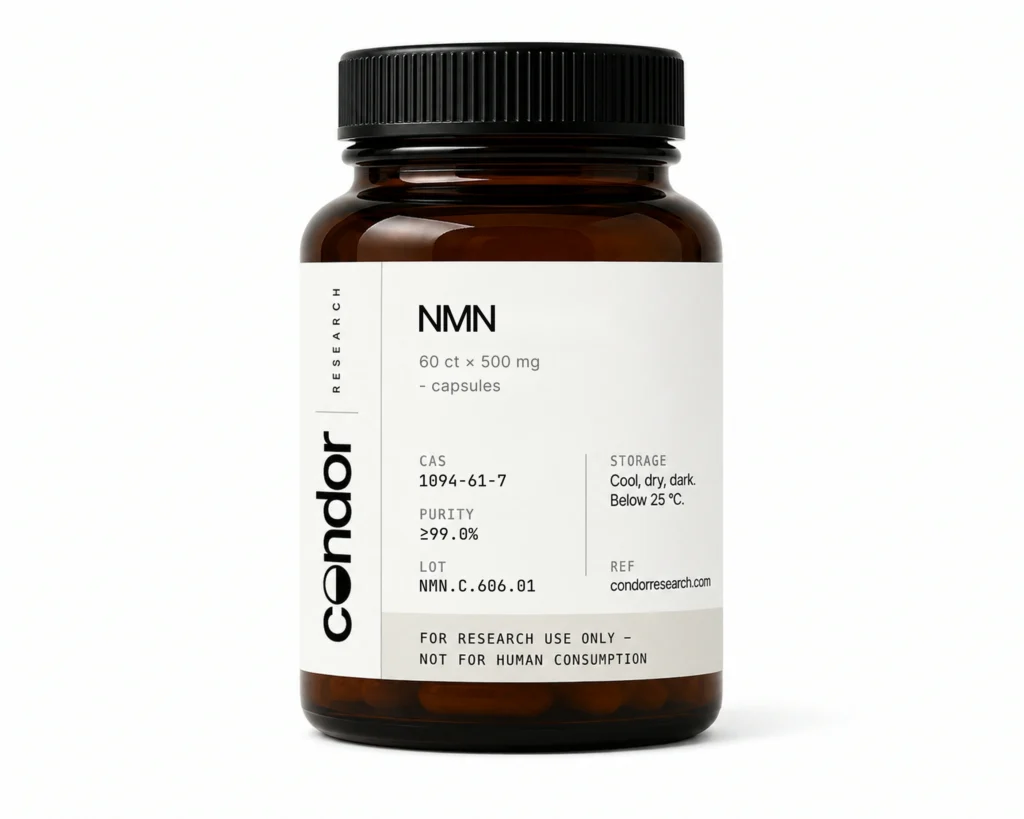
NMN is a direct precursor of NAD+, the metabolic coenzyme that fades with age. It is the molecule the anti-ageing field bet on to simply refill the tank — and the one with more human data than almost anything in this catalogue.
A plant alkaloid, a fragment-derived peptidomimetic, a curcumin descendant, a 150-year-old dye and a vitamin-B3 relative. The cognitive-enhancement conversation is not only about peptides — and the small molecules are far stranger.
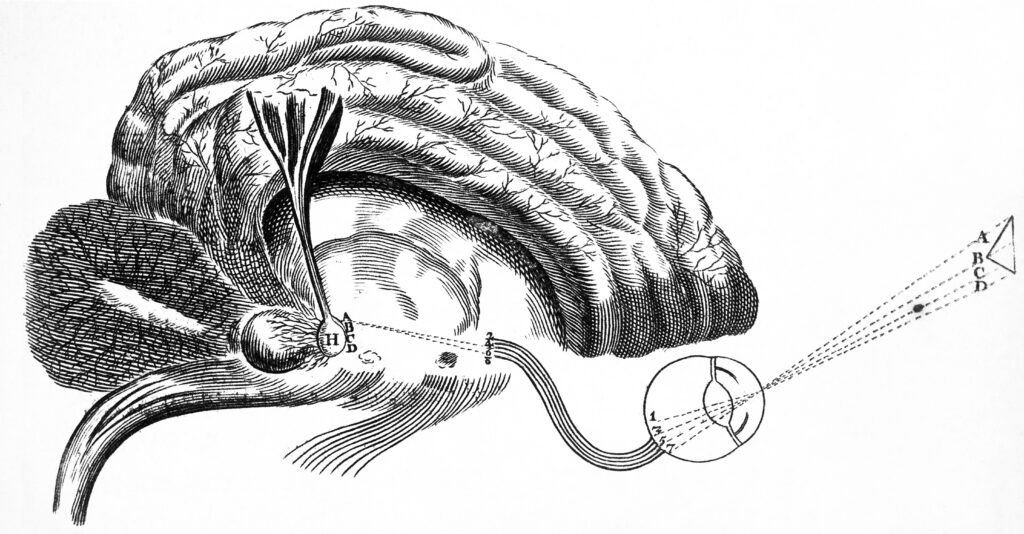
A profile of the Russian gerontologist who spent decades arguing that peptides just a few amino acids long could tune the genome and slow ageing — and why his evidence remains as fascinating as it is unsettled.

A guide to the Russian peptide-bioregulator school: very short peptides, each tied to a tissue, proposed to influence gene expression. What the catalogue is, where the idea came from, and how honest the evidence really is.
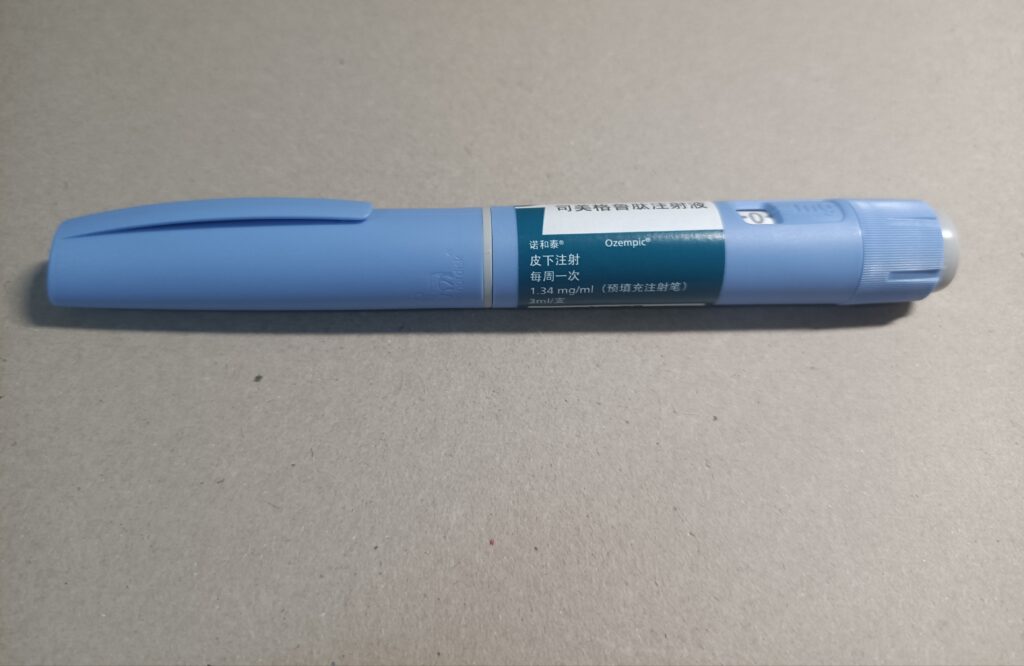
In a few short years, peptides went from obscure lab reagents to the most-discussed molecules in longevity and biohacking culture. A look at why now — and why the hype has outrun the data.
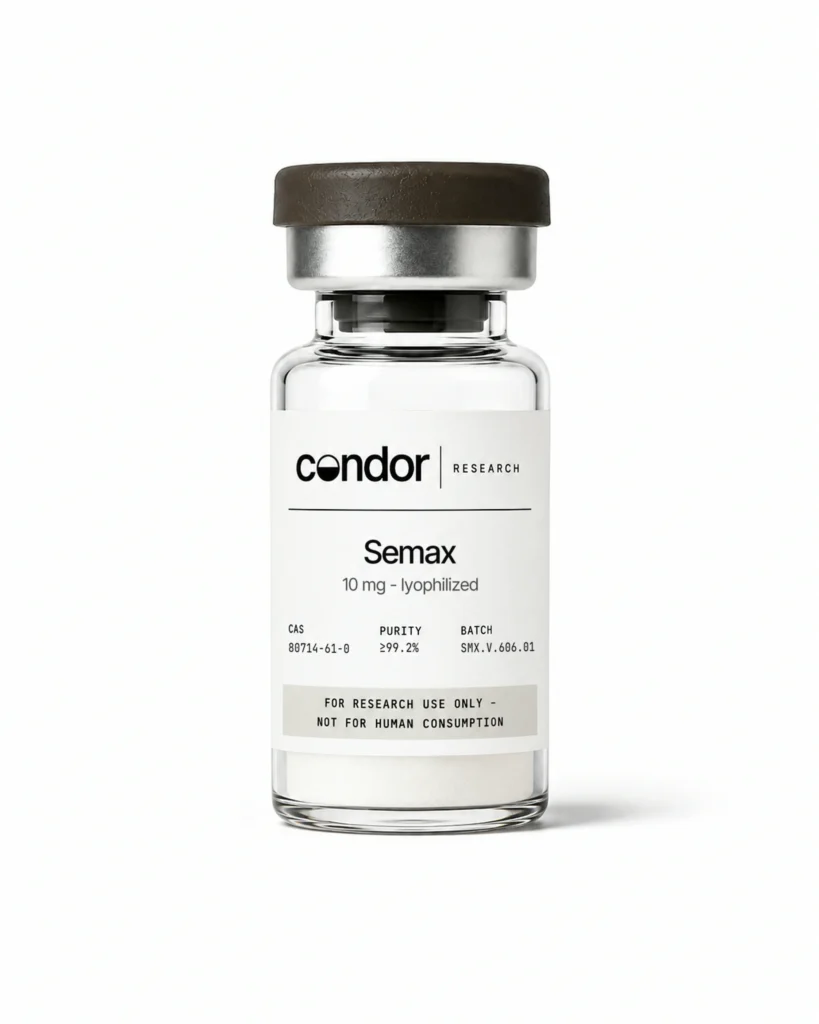
Semax is a synthetic heptapeptide derived from a fragment of the stress hormone ACTH, developed in Russia and studied as a nootropic and neuroprotective compound. Here, strictly a research-use-only material.
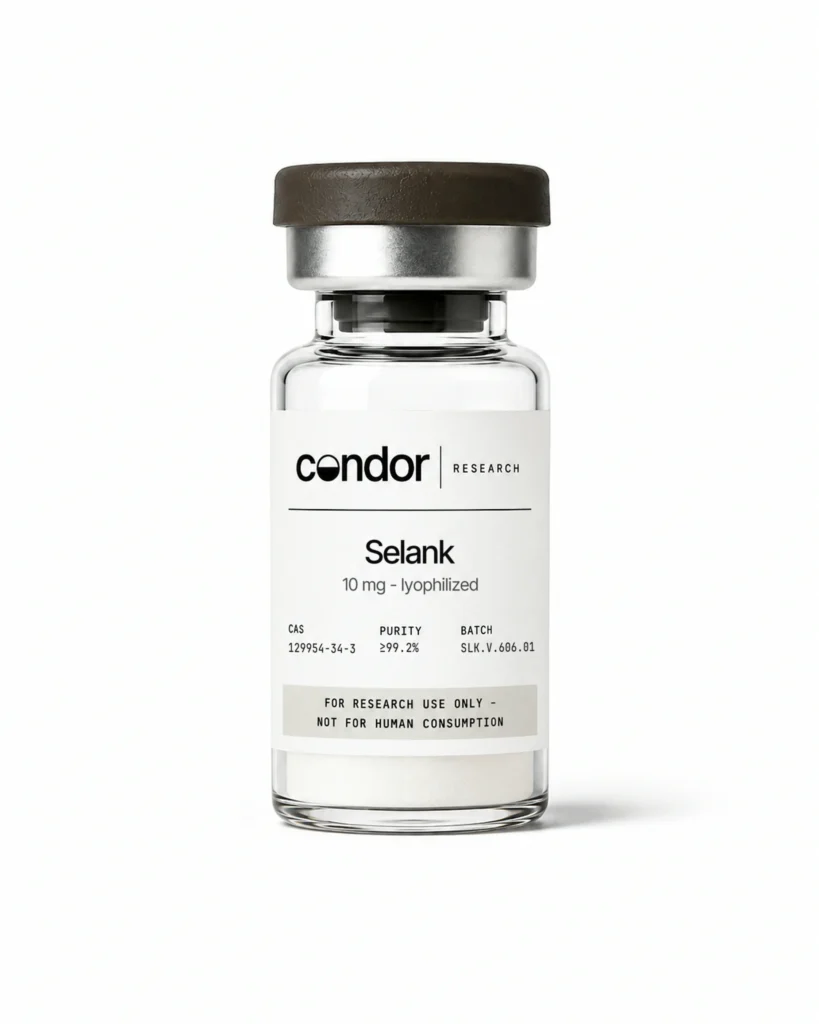
Selank is a synthetic heptapeptide derived from the natural immune molecule tuftsin, developed in Russia and studied in animal models as an anxiolytic and nootropic peptide. Registered in Russia, it is not approved in the EU or US, and is supplied strictly for research use only.
Most nootropics people argue about online are small molecules. A quieter family is built from amino acids. A research-use-only field guide to the peptides studied for the brain — and to how thin the human evidence really is.
A vial without a Certificate of Analysis is a guess wearing a label. A COA is how “trust me” becomes “here are the numbers” — if you know how to read it. A practical, evergreen field guide for reproducible Research Use Only work.
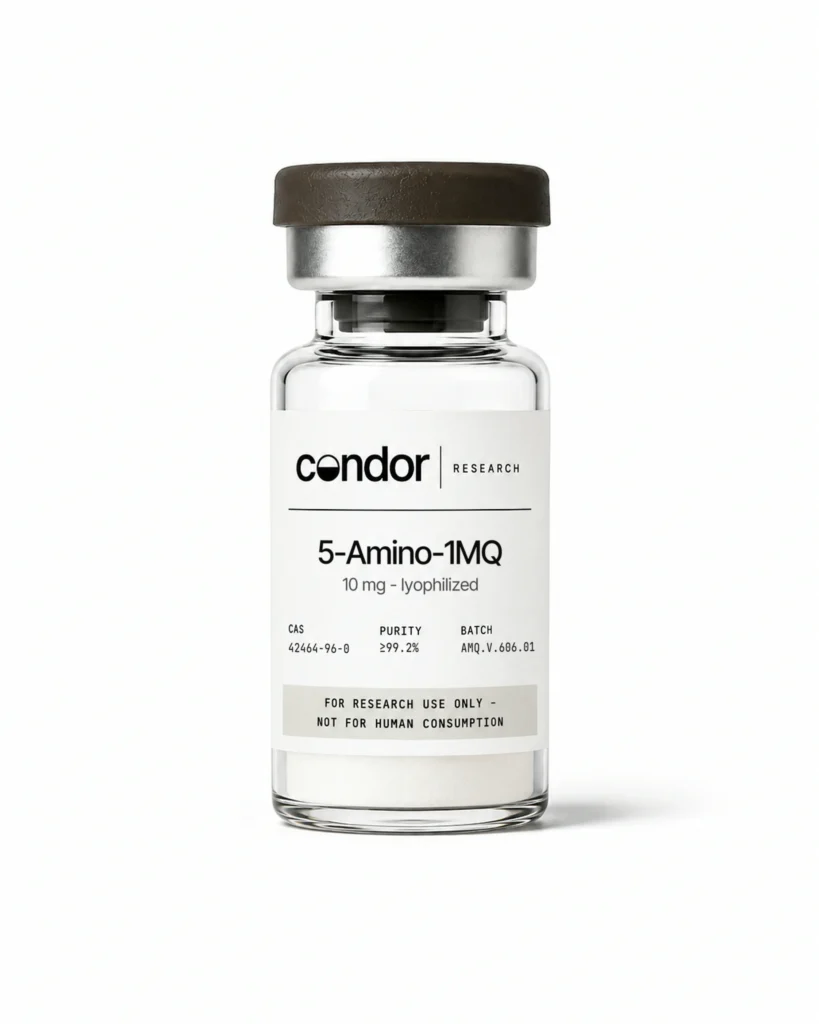
5-Amino-1MQ is a small-molecule inhibitor of the enzyme NNMT, studied in cells and obese mice for its effects on the NAD+ and methylation economy of fat tissue. Here is what the preclinical record actually shows — and where it stops.