
Peptide science, clearly referenced.
Independent, literature-backed explainers on research compounds — every claim cited to PubMed, every framing strictly research-use-only.
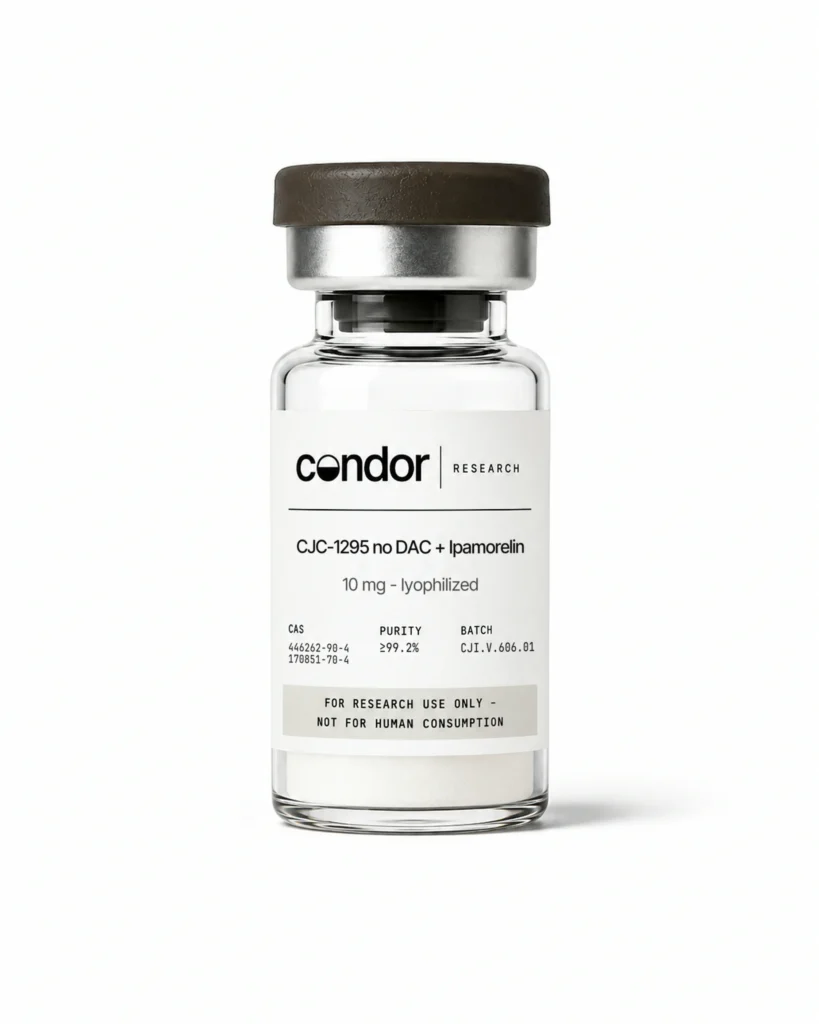
Two synthetic peptides that are almost always studied as a pair: one mimics ghrelin, the other mimics GHRH. A research primer on how each knocks on the growth-hormone axis — and what the preclinical record actually shows.
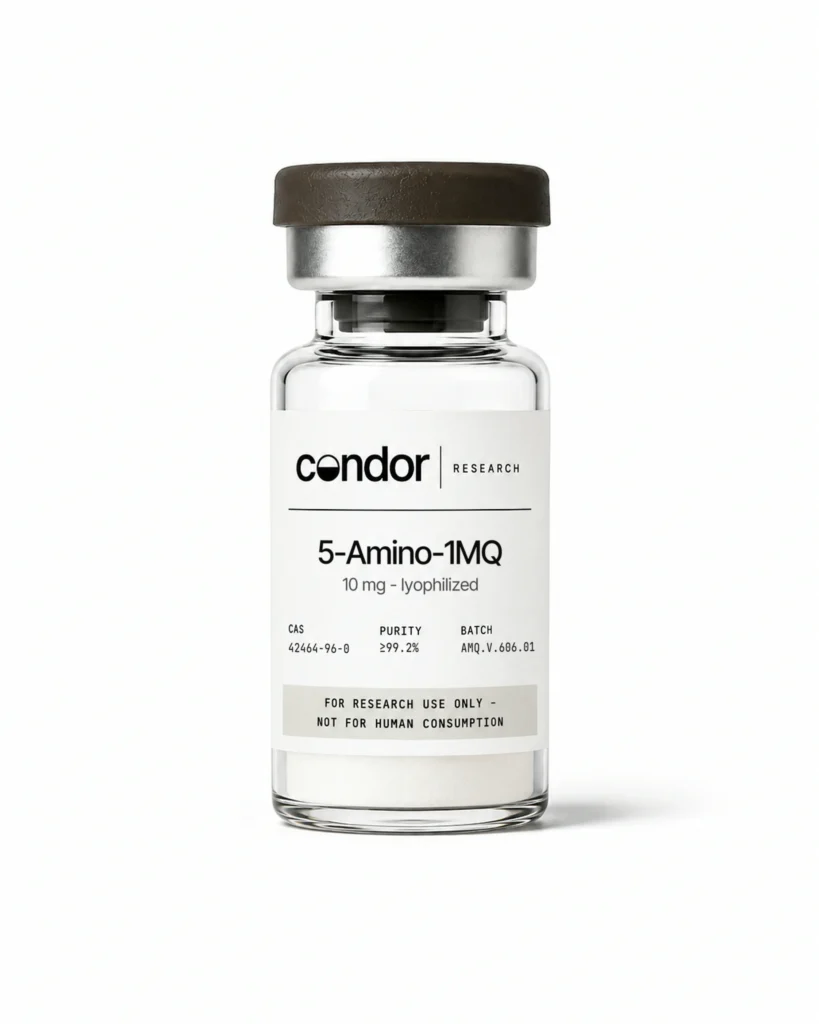
5-Amino-1MQ is a small-molecule inhibitor of the enzyme NNMT, studied in cells and obese mice for its effects on the NAD+ and methylation economy of fat tissue. Here is what the preclinical record actually shows — and where it stops.
A vial without a Certificate of Analysis is a guess wearing a label. A COA is how “trust me” becomes “here are the numbers” — if you know how to read it. A practical, evergreen field guide for reproducible Research Use Only work.

On 20 April 2026, one of the world's biggest podcasts told millions that Big Pharma is hiding a powerful peptide. We checked the science, line by line: where the episode is right, where it is clickbait, and where the honest evidence simply runs out.
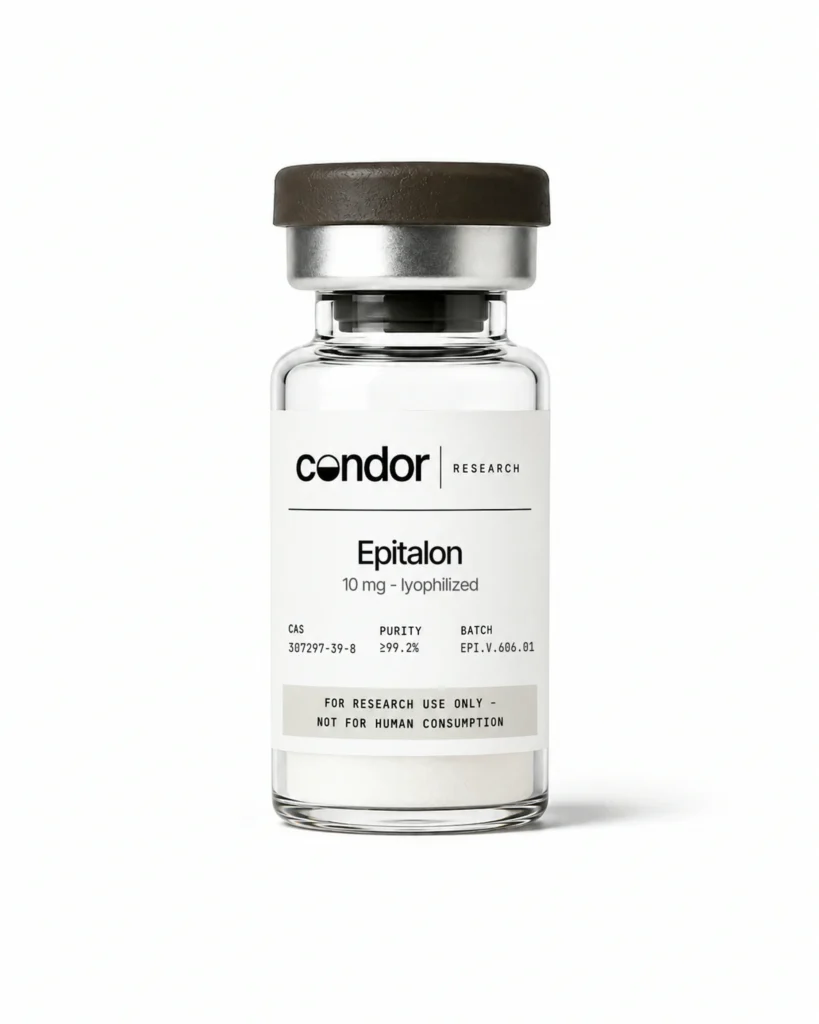
A four-letter peptide carries a decades-old case of mistaken identity. A 2026 re-examination argues the famous dose was never Epitalon's at all — and that the difference is a lesson in why what is in the vial matters more than the label on it.
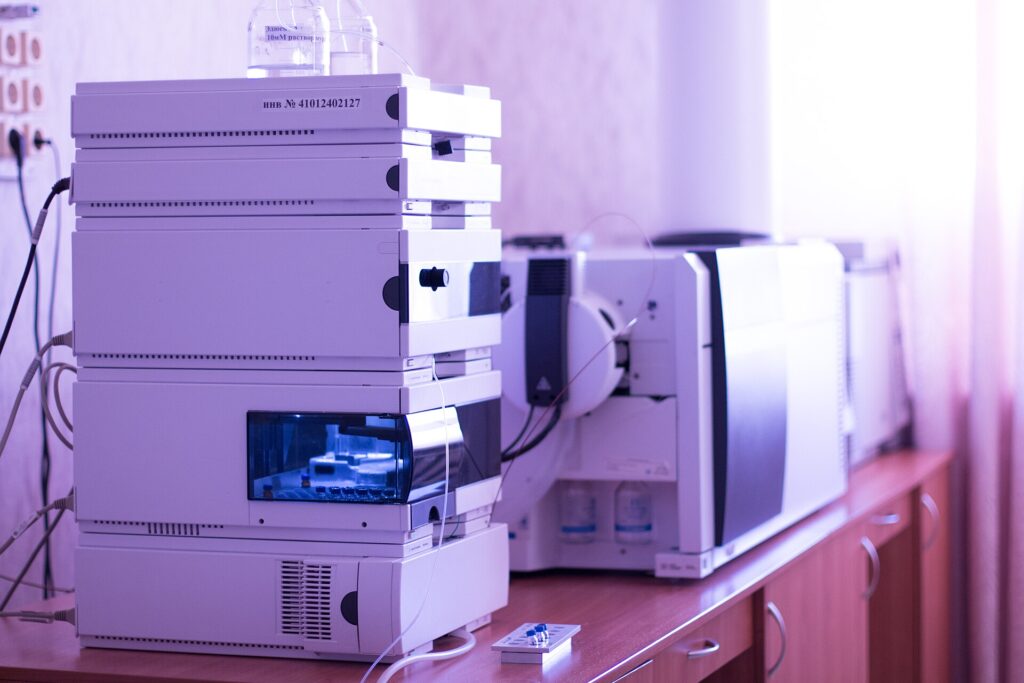
On 1 June 2026 the European Medicines Agency published its first rulebook for manufacturing synthetic-peptide medicines. Here is what it actually says, what it does not touch, and why it quietly raises the quality bar for everyone.
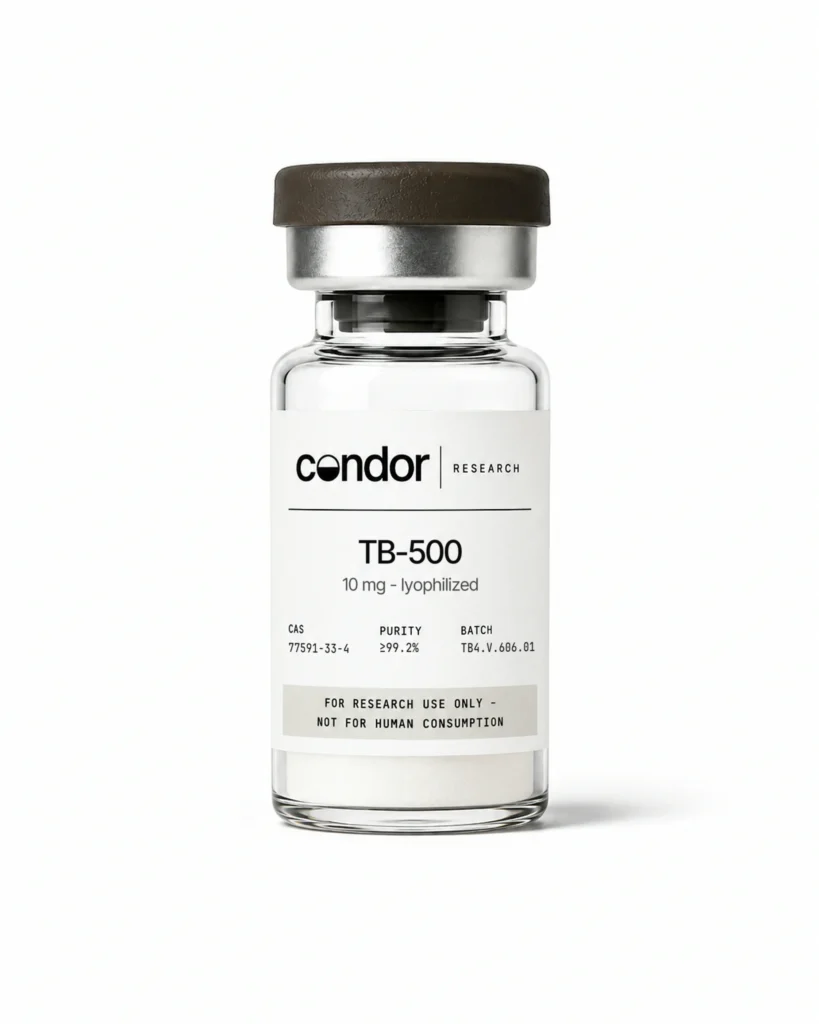
TB-500 is a synthetic version of thymosin β4, a 43-residue protein that helps build and rebuild tissue across the body. Here is what the preclinical research actually shows — and where the human evidence runs thin.
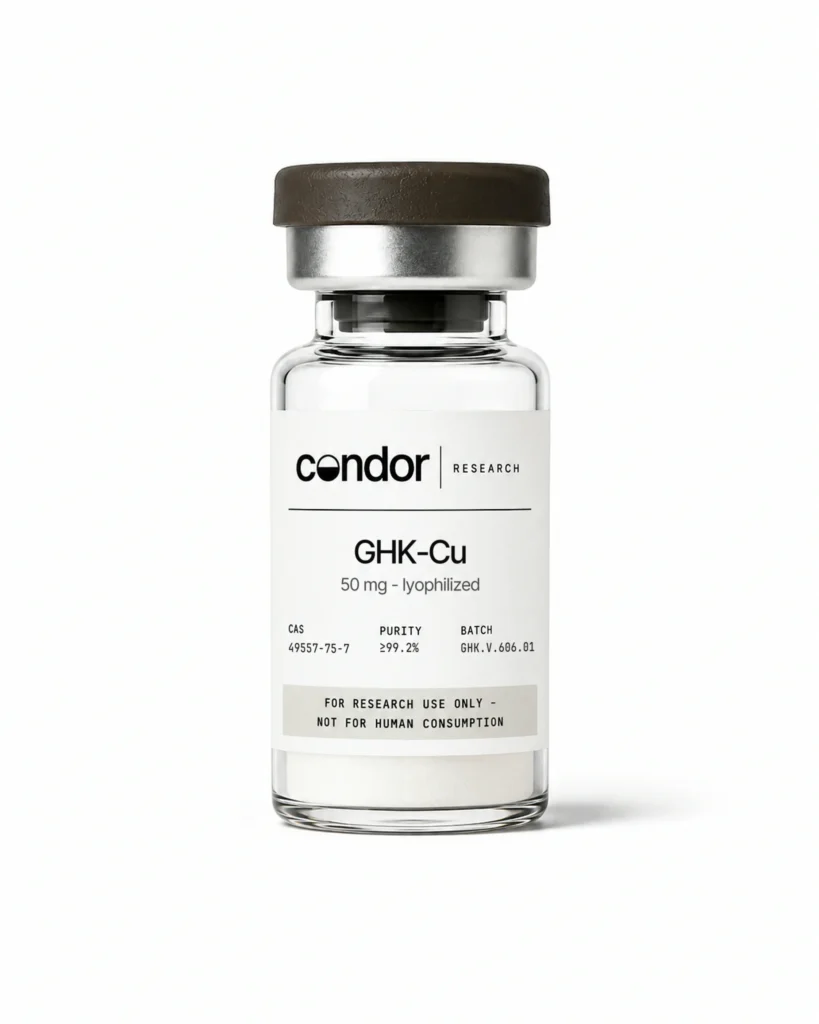
A three-amino-acid copper complex, first isolated from human plasma in 1977, has become one of the most-studied small peptides in skin and matrix biology. Here is what the research actually shows — and where it goes quiet.
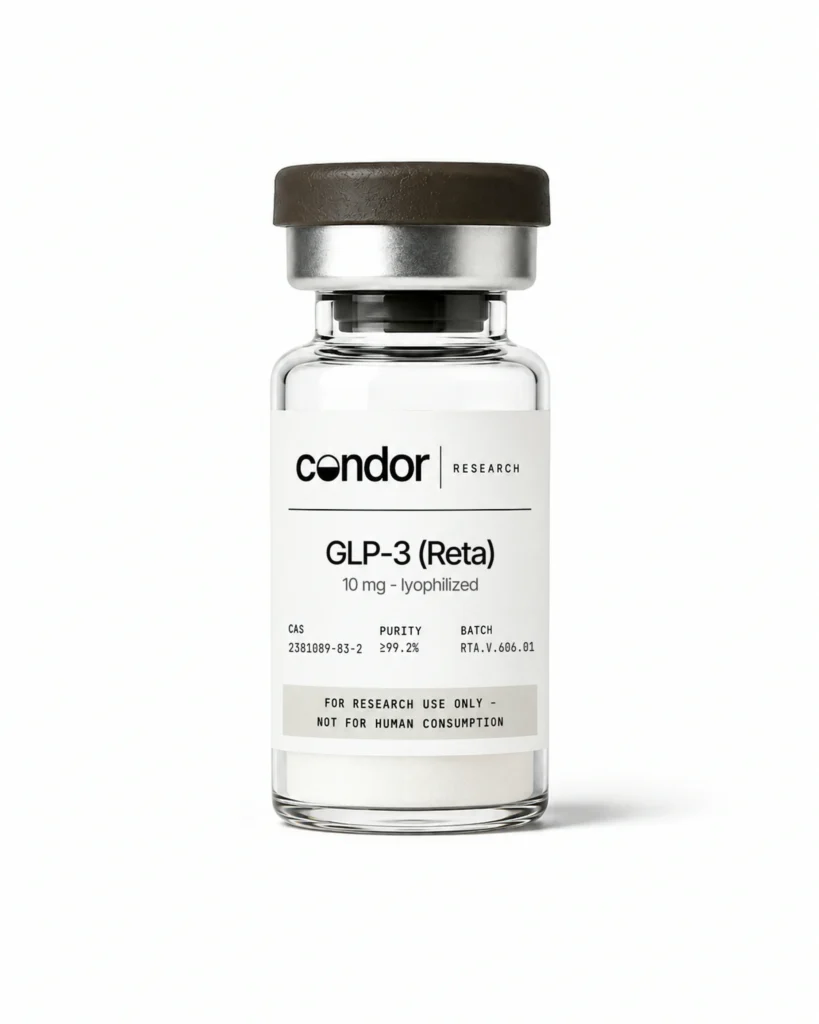
Retatrutide (LY3437943) is a single engineered peptide built to pull three metabolic levers at once. Here is what the science actually shows — and why a research-grade compound is not the same thing as an approved medicine.
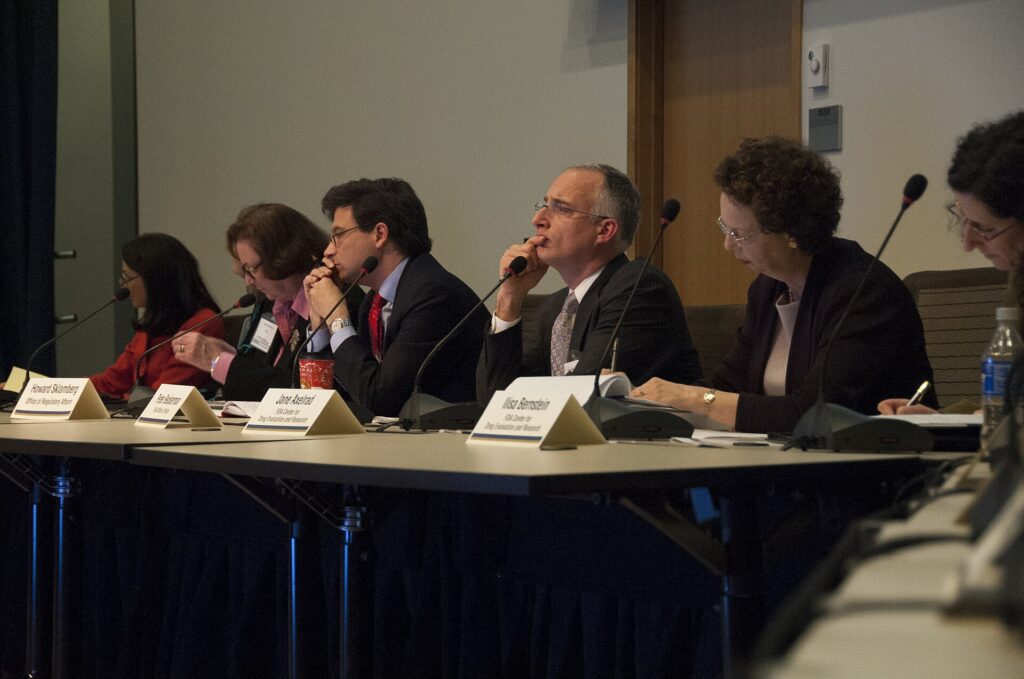
A US advisory committee meets on 23–24 July 2026 to weigh whether a group of research peptides — including BPC-157 and TB-500 — should return to a category permitting regulated compounding. Here is what is actually being decided, and what it does not change.