
Peptide science, clearly referenced.
Independent, literature-backed explainers on research compounds — every claim cited to PubMed, every framing strictly research-use-only.

Research peptides occupy a legal and commercial gray zone with its own economics. Understanding that structure — and demanding the right documents — is the best protection a laboratory buyer has.
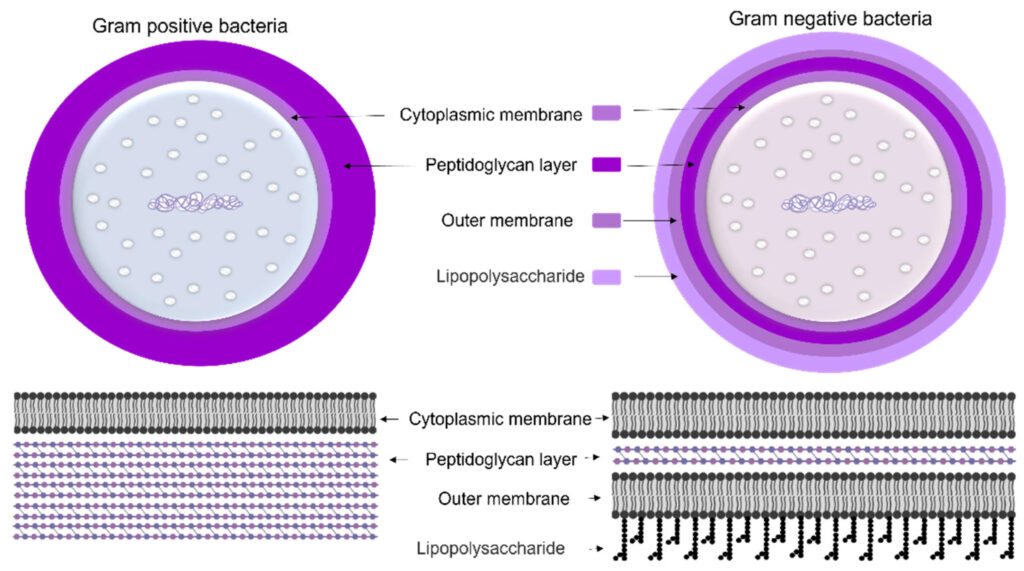
A 99% purity figure tells you nothing about endotoxin load — and that blind spot is one of the quietest causes of irreproducible cell-culture and in-vitro research. Here is why the bacterial endotoxin test deserves a place on every certificate of analysis.
Online forums present elaborate peptide “stacks” with the confidence of clinical protocols. The published literature tells a far humbler story — and the gap between the two is where the marketing lives.

A neutral 2026 map of how the FDA, the EMA and the anti-doping world actually treat research peptides — and why “Research Use Only” is a defined legal frame, not a loophole.
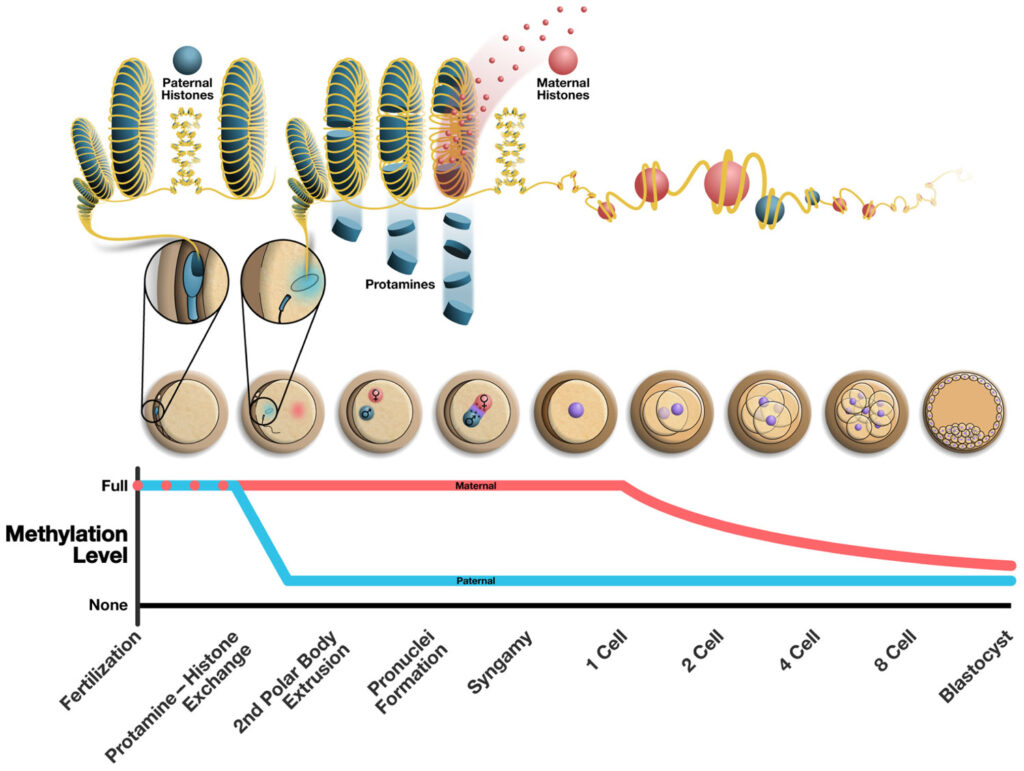
A Soviet-born research programme assigned a short peptide to nearly every organ in the body. Here is the map of the “cytogen” catalogue—and an honest reckoning with the state of the evidence in 2026.
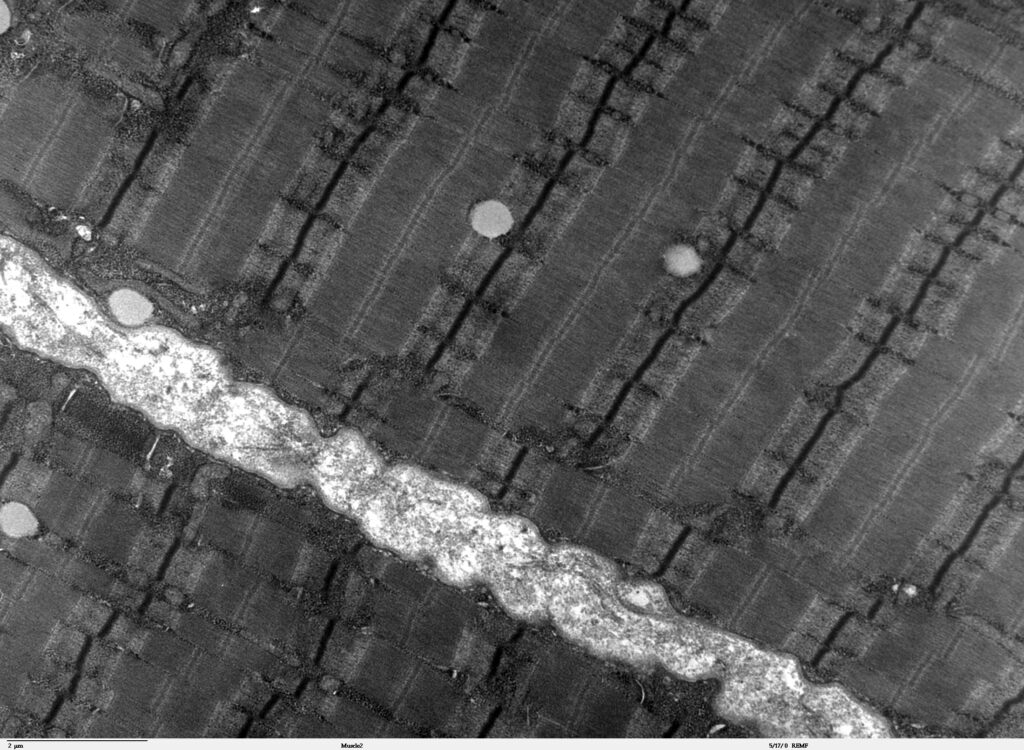
The same growth signalling that builds muscle is the one whose quieting extends lifespan in animals. An honest look at a paradox biology has not cleanly resolved in humans — and at the research tools used to probe it.
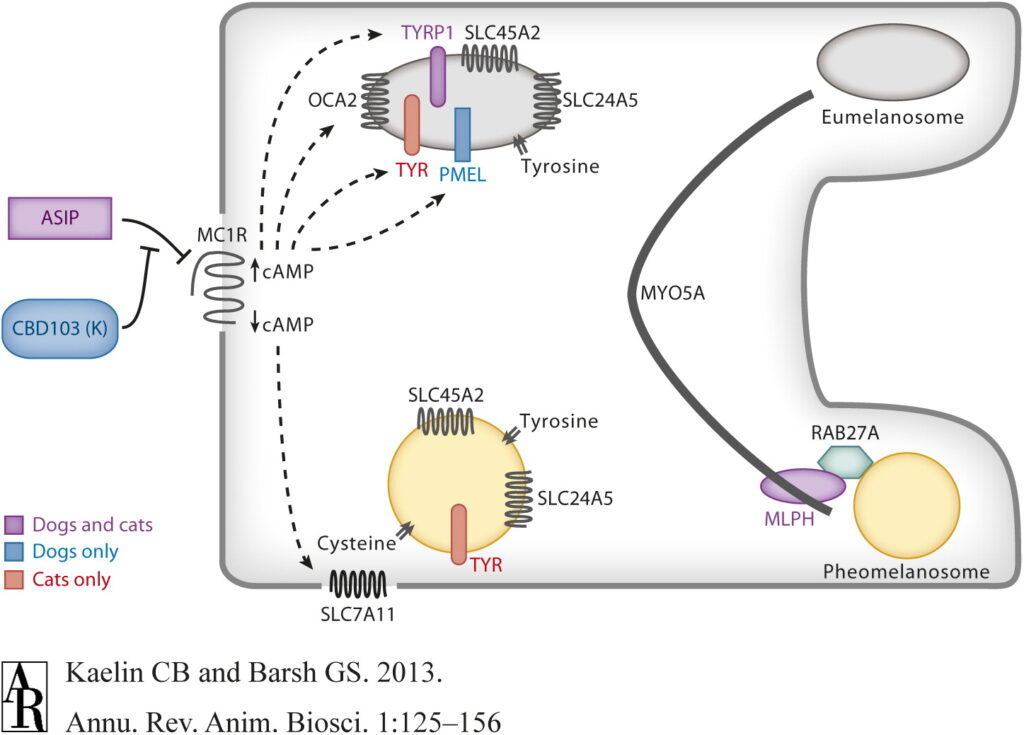
Tanning and arousal run through the same family of receptors. That single fact explains both Melanotan II’s appeal and its downfall — and why pharmacology eventually chose selectivity over the catch-all peptide.

Two copper-carrying tripeptides sit side by side in the catalogue—one with a half-century of multi-group science behind it, the other with a thinner, mostly cosmetic-industry record. This is the honest head-to-head the marketing rarely offers.

A myth-versus-mechanism fact-check on one of wellness's most abused phrases. The intestinal barrier is real biology; “leaky gut” as a catch-all diagnosis is not — and the one peptide that put the hypothesis to a large human test tells a sobering story.
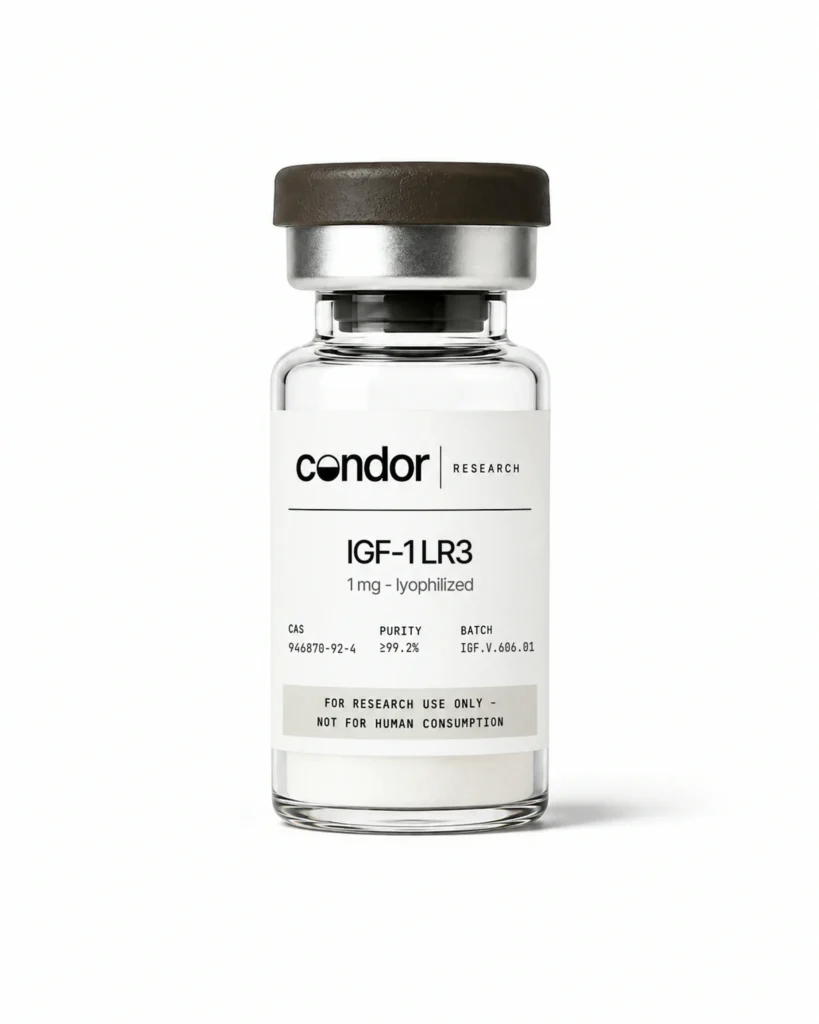
IGF-1 LR3 is a re-engineered version of insulin-like growth factor 1, redesigned to slip past the binding proteins that normally rein it in. Here is what the chemistry actually does, what the preclinical literature shows, and why the honest reading carries a serious caveat.