
Peptide science, clearly referenced.
Independent, literature-backed explainers on research compounds — every claim cited to PubMed, every framing strictly research-use-only.
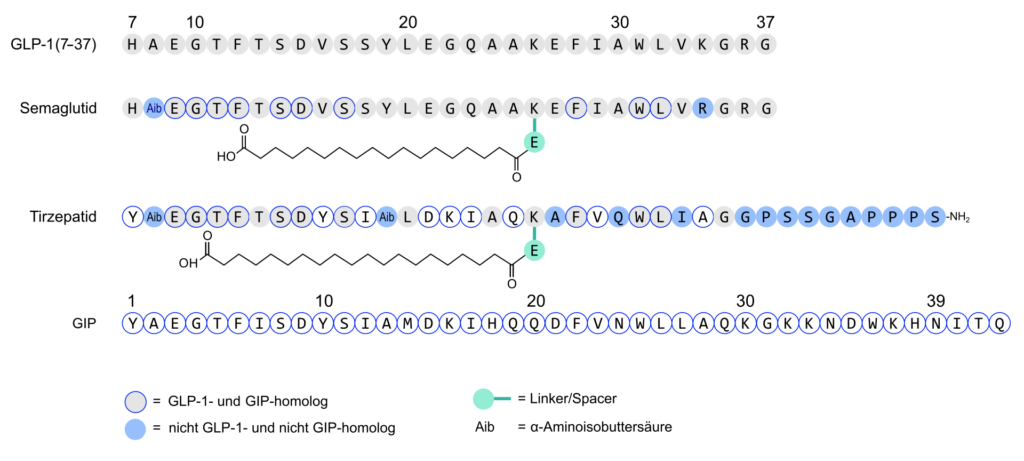
Tirzepatide beat semaglutide head-to-head on weight loss in a randomised trial. Here is what the human data actually establish — and the hard line between a licensed medicine and a research-grade reference compound.
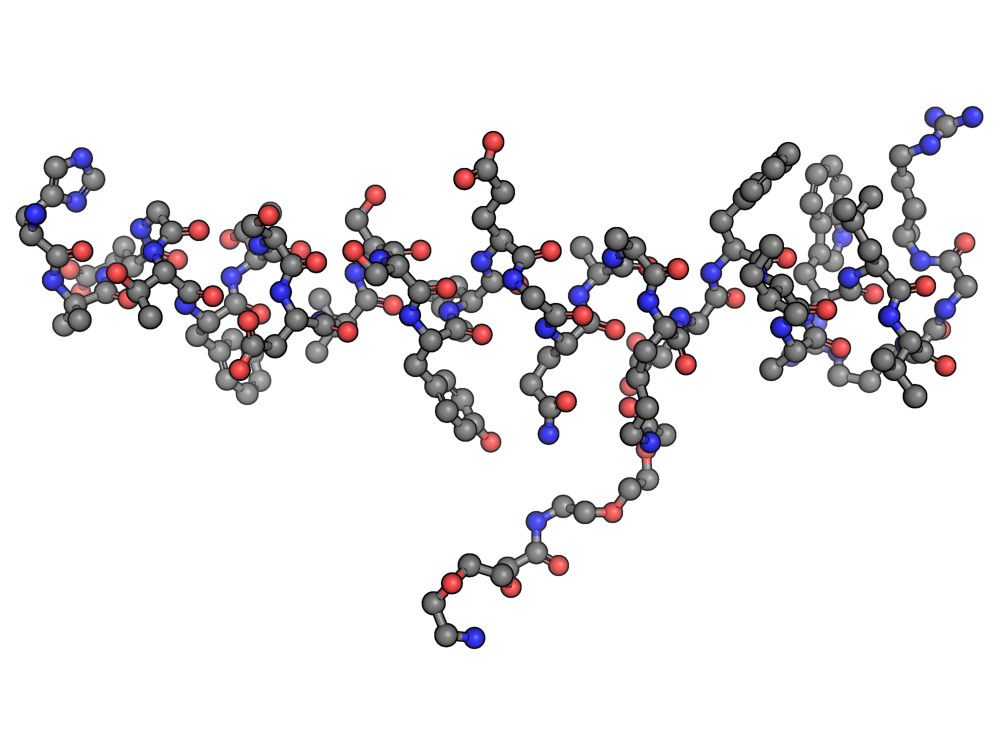
Most research peptides suffer from thin, animal-only data. This GLP-1 receptor agonist has the opposite problem — and the gap between a licensed medicine and a reference vial is the whole story.
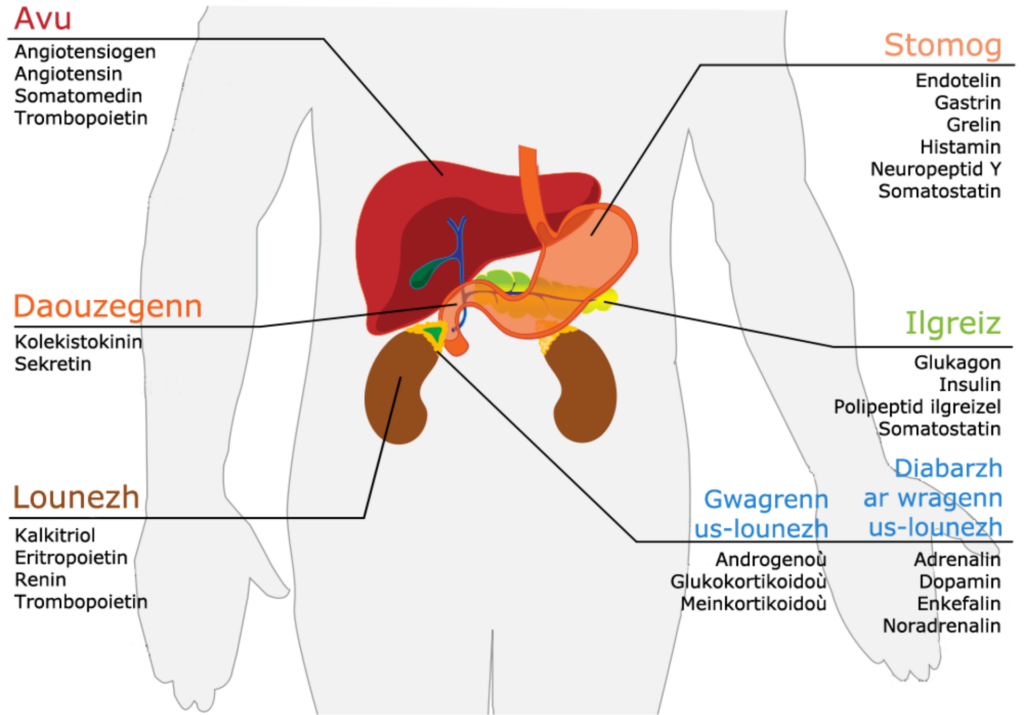
A clear, honest map of the growth-hormone-secretagogue class — the peptides studied to coax the pituitary into releasing more of its own hormone — and why their evidence base is thinner, and stranger, than the marketing suggests.
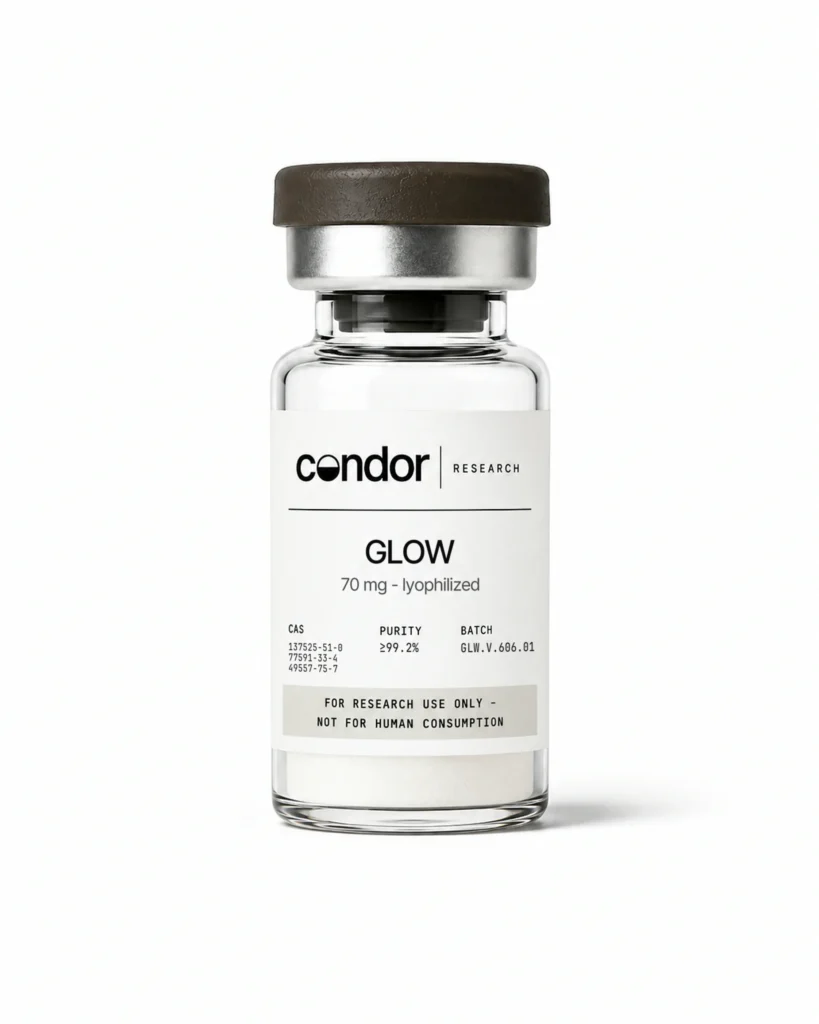
GLOW pairs three of the most-studied “repair and renewal” peptides — GHK-Cu, BPC-157 and TB-500 — in a single vial. A clear-eyed look at what the evidence for each actually shows, and what combining them does not.
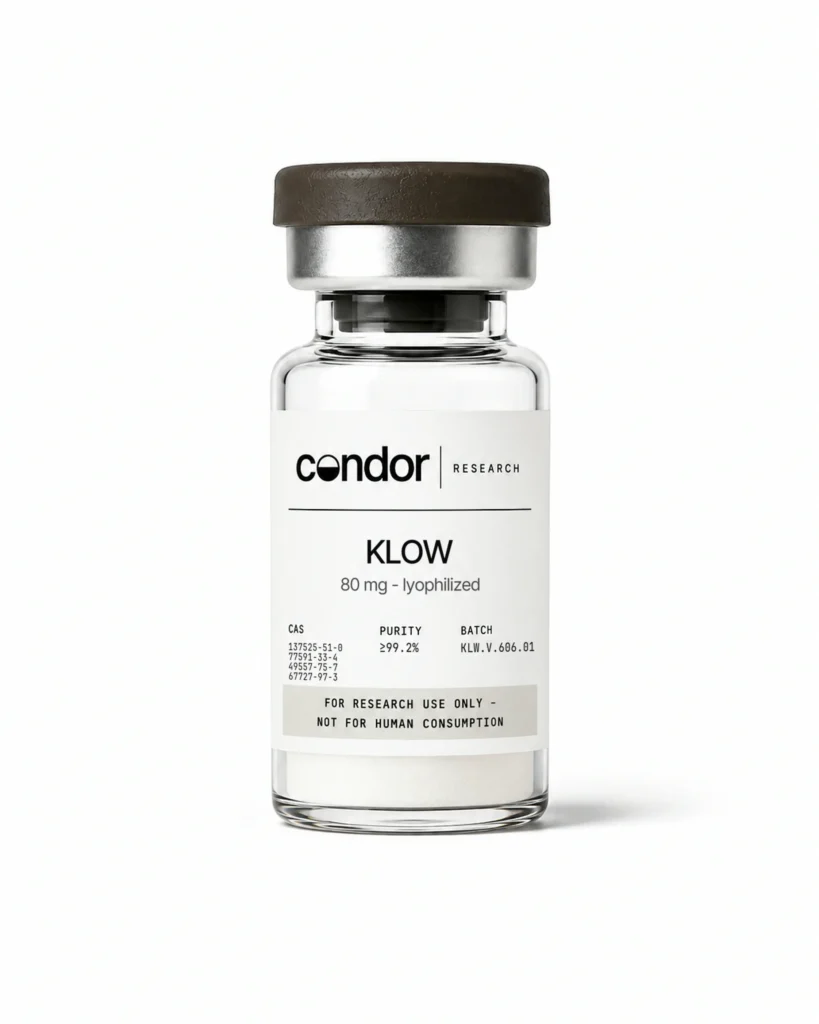
KLOW takes the three-peptide GLOW “repair” blend and bolts on a fourth compound — the anti-inflammatory tripeptide KPV. It is the clearest example of how research peptide stacks grow, and of how fast the evidence thins as they do.
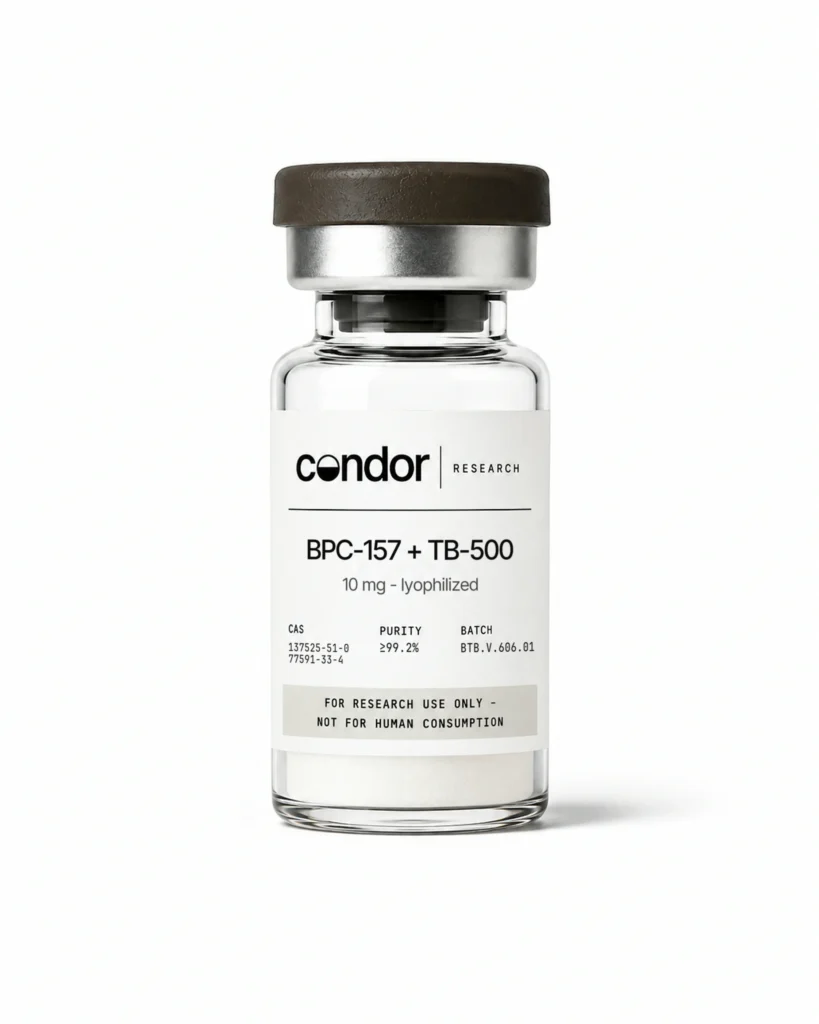
The two-peptide combination that launched a thousand forum threads pairs the gastric pentadecapeptide BPC-157 with TB-500, a fragment related to thymosin β-4. Here is what the science actually shows — and where it runs out.

A field guide to the four peptides the wellness world treats as shorthand for “healing” — organised by the mechanism each is actually studied for, and honest about where the evidence runs out.

A large share of preclinical findings do not replicate — and in peptide research, a surprising amount of that failure begins in the vial. A methods-and-QC look at reagent quality as a primary experimental variable.

A neutral 2026 map of how the FDA, the EMA and the anti-doping world actually treat research peptides — and why “Research Use Only” is a defined legal frame, not a loophole.
Online forums present elaborate peptide “stacks” with the confidence of clinical protocols. The published literature tells a far humbler story — and the gap between the two is where the marketing lives.