
Peptide science, clearly referenced.
Independent, literature-backed explainers on research compounds — every claim cited to PubMed, every framing strictly research-use-only.
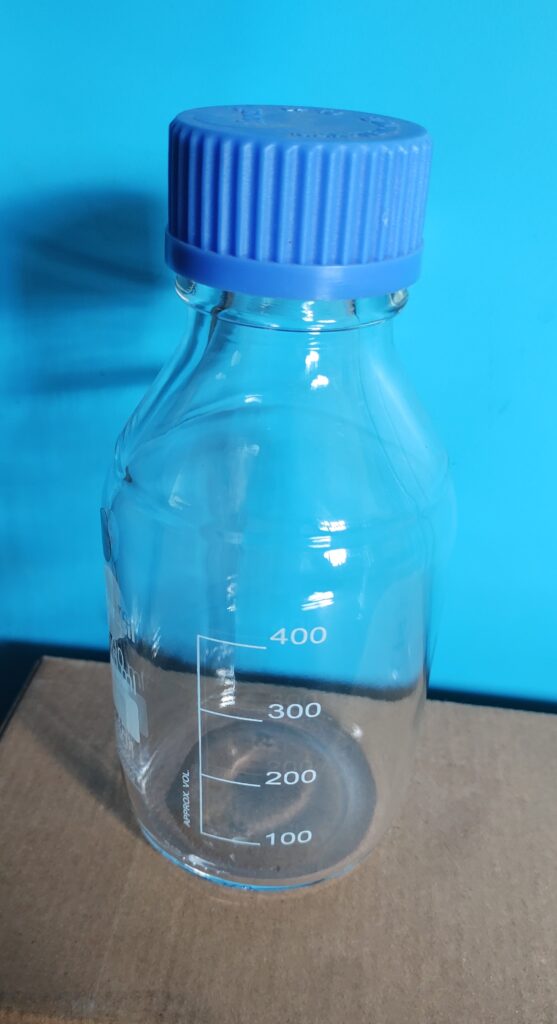
RUO is a labelling category about intended use, not a quality grade or a safety claim. It is legitimate for genuine laboratory science — and routinely abused by the grey market as a fig leaf. Here is what the label actually does, and what it cannot.

A research peptide sold across Europe, never approved as a medicine, and quietly governed by the question almost nobody asks correctly.
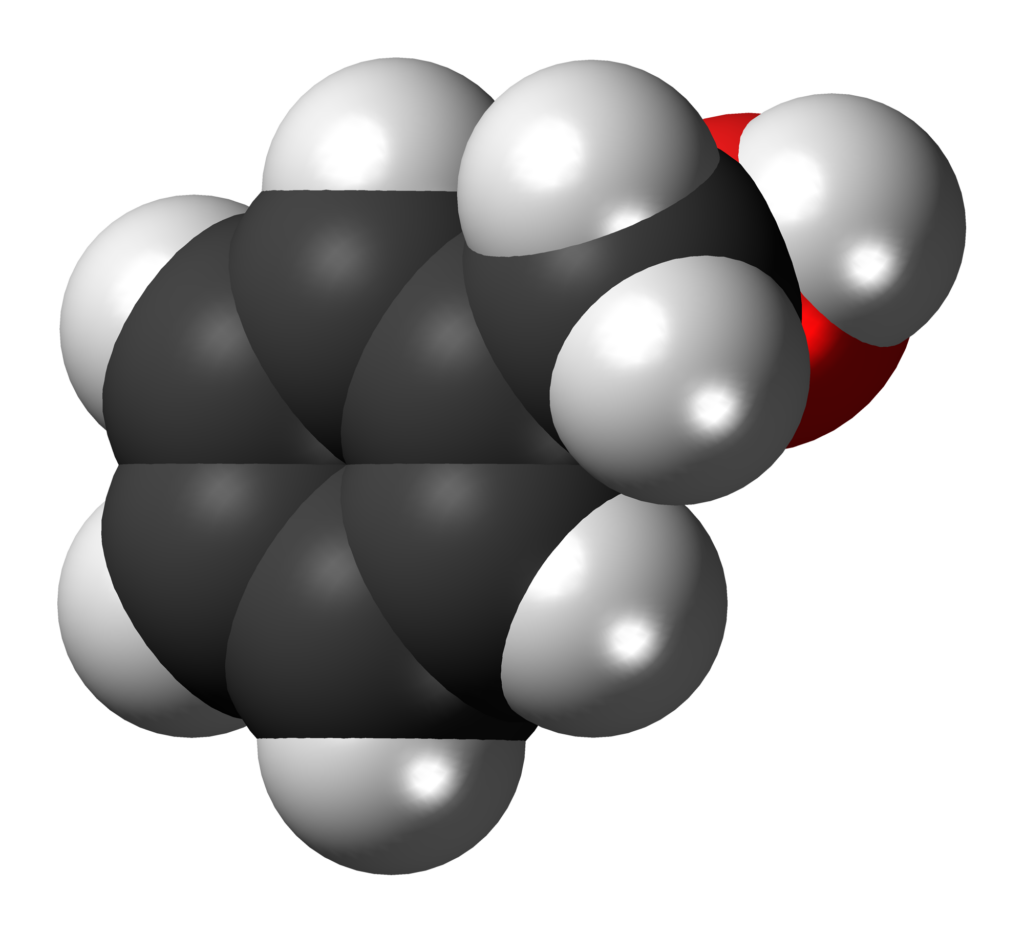
A methods comparison for laboratory sample preparation: how solubility, pH, preservatives and stock longevity dictate which diluent reconstitutes a lyophilised research peptide cleanly.
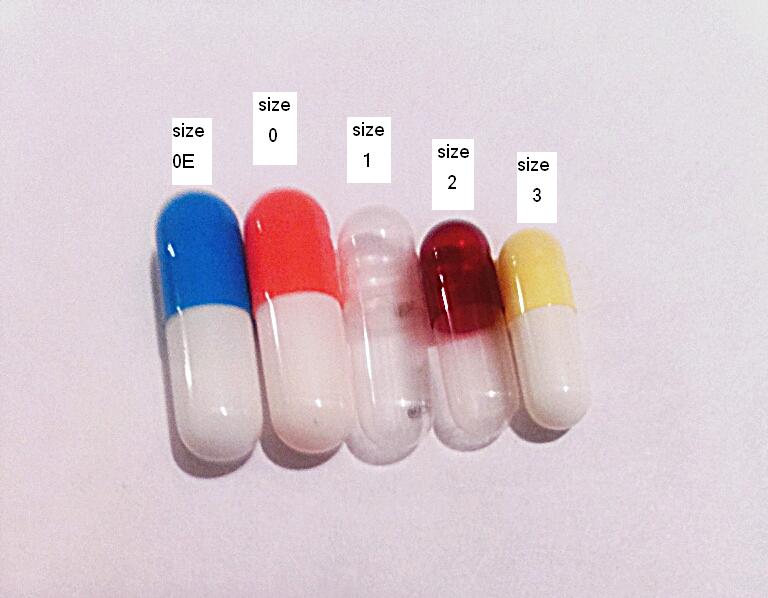
A lyophilised vial and a pre-portioned capsule are not two flavours of the same product. They are two answers to two different experimental questions — and choosing wrongly costs you data.
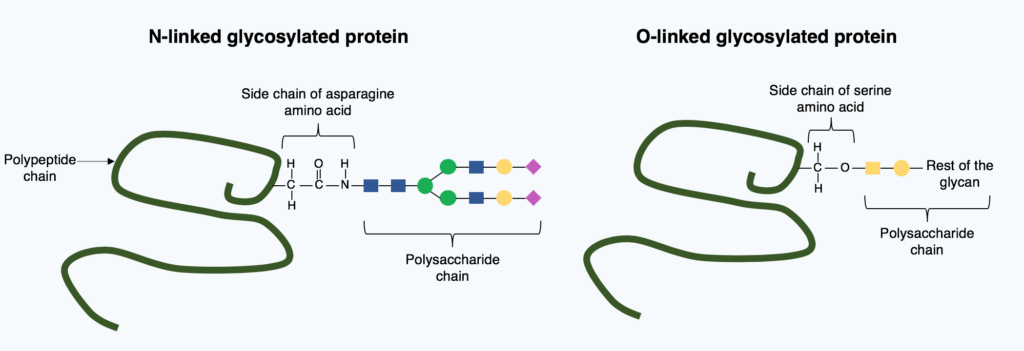
A field map for researchers: how synthetic, sequence-defined peptides are classified, made and characterised — and why the honest evidence runs from approved drugs to animal-only data, with provenance as the only thing standing between a reference material and a story.

They differ by one letter and a world of pharmacology. One is a comparatively selective alpha-MSH analogue licensed as an orphan medicine; the other is an unapproved, broad melanocortin agonist with a documented harm profile. Why the confusion persists, and what the evidence actually says.
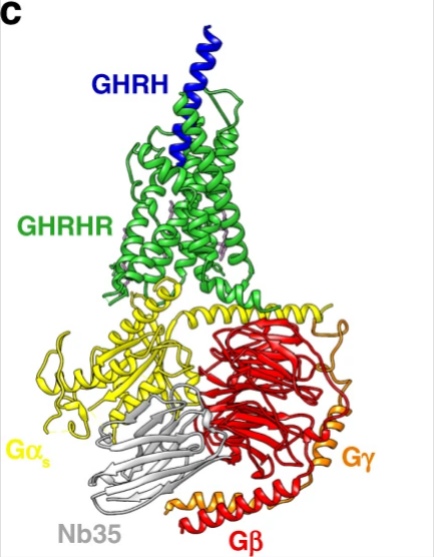
Three peptides chase the same idea — stabilise growth-hormone-releasing hormone so it drives pulsatile GH at the pituitary. They are not three equal options. Sorted by evidence and regulatory status, the hierarchy is steep and worth understanding before equating them.
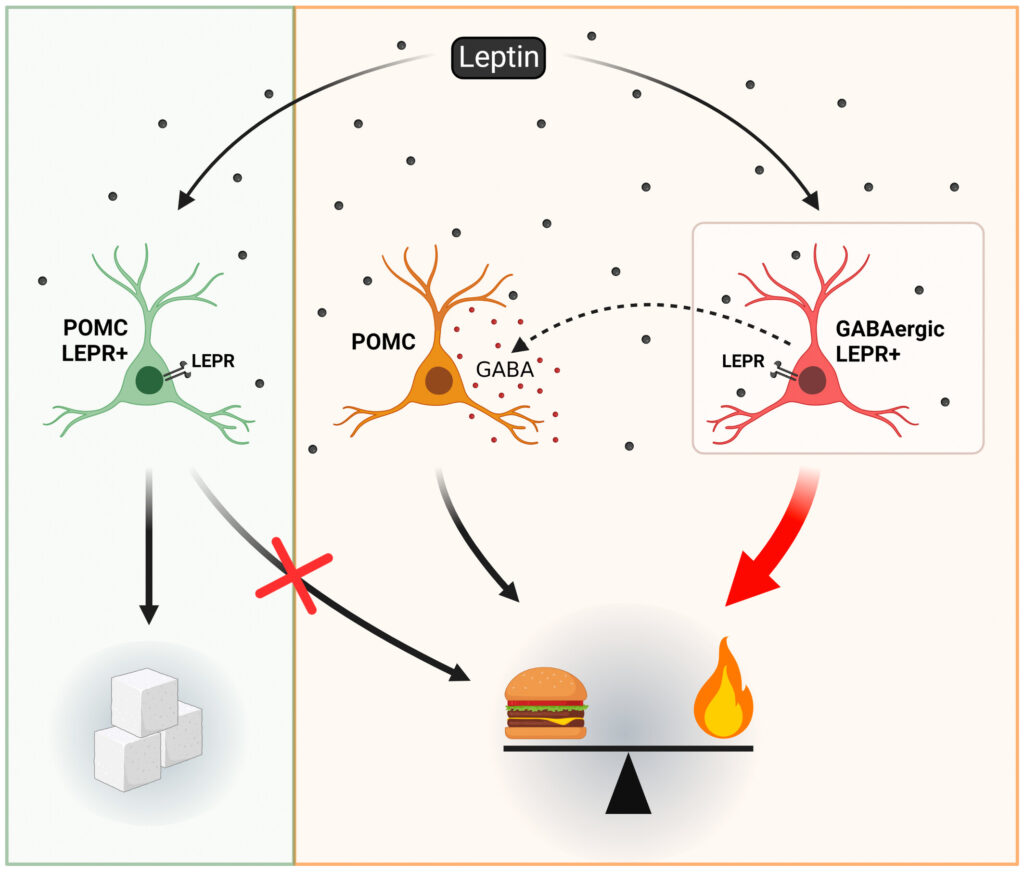
Two peptides from one scaffold took opposite paths — one to a regulatory approval, the other to the grey market. A precise, evidence-honest comparison of receptor emphasis, regulatory standing, and documented harms for the research bench.
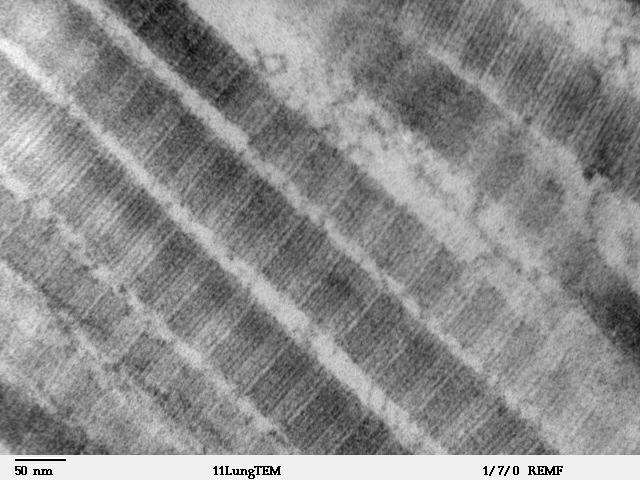
Two copper tripeptides differing by a single N-terminal residue — and by decades of evidence. A sober, research-use-only reading of what the literature on GHK-Cu and AHK-Cu actually shows.
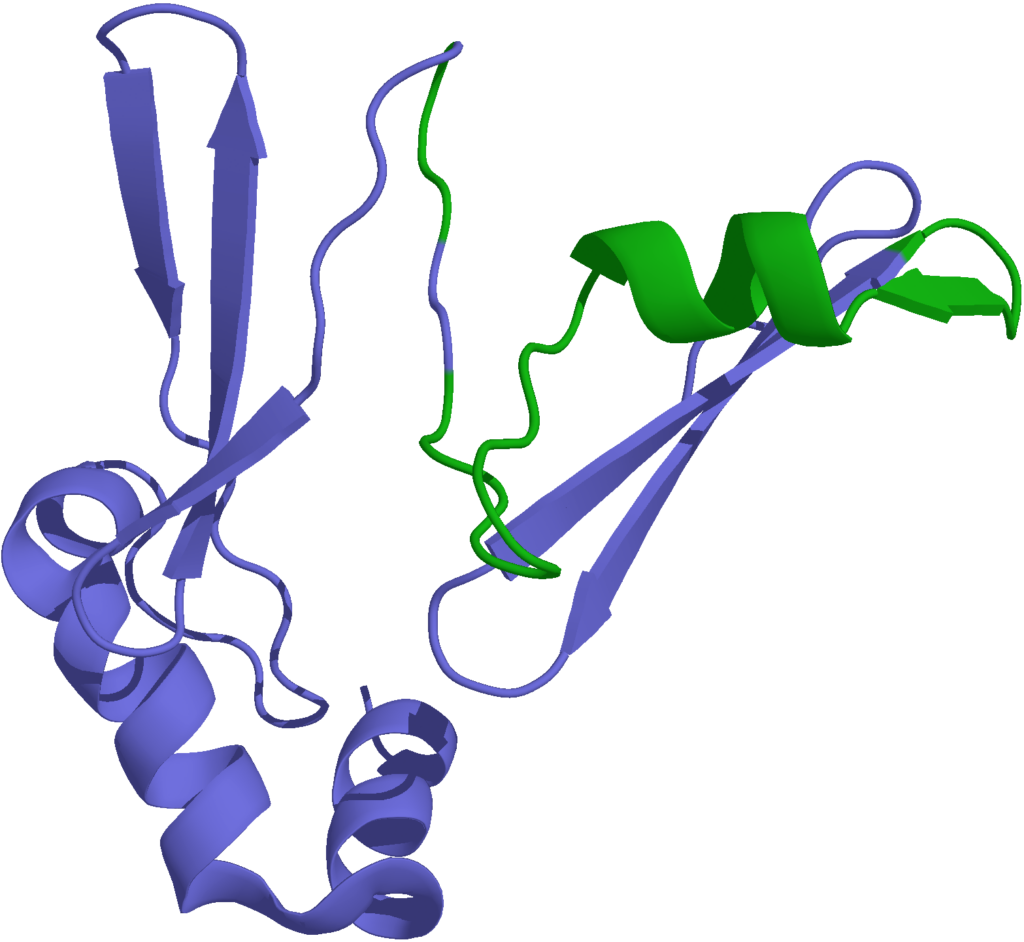
Two reference secretagogues, two receptors. A research-use comparison of their chemistry, mechanisms, and the honest state of the published evidence.