
Peptide science, clearly referenced.
Independent, literature-backed explainers on research compounds — every claim cited to PubMed, every framing strictly research-use-only.
Two copper tripeptides differing by a single N-terminal residue — and by decades of evidence. A sober, research-use-only reading of what the literature on GHK-Cu and AHK-Cu actually shows.
Two reference secretagogues, two receptors. A research-use comparison of their chemistry, mechanisms, and the honest state of the published evidence.
Two synthetic heptapeptides from the same Soviet-era programme, built on different parent molecules and studied along sharply divergent mechanistic lines.
Two molecules lumped together as metabolic small molecules that share no target, no mechanism and no research question, set side by side.
Two compounds shelved side by side in metabolic catalogues turn out to share almost nothing at the molecular level — one switches an enzyme off, the other switches a receptor program on.
Two peptides forever paired in regenerative literature, yet chemically and mechanistically unrelated. What the preclinical record actually says, and why the choice is a research question, not a ranking.
The DAC modification is an elegant piece of chemistry that stretches a peptide's half-life from minutes to a week. The human evidence behind it is one combined PK/PD trial from 2006. That asymmetry is the whole story.
A CNTF-derived fragment rebuilt to cross the blood-brain barrier and switch on BDNF. The rodent data are genuinely striking. The translational record of everything that came before it is not.
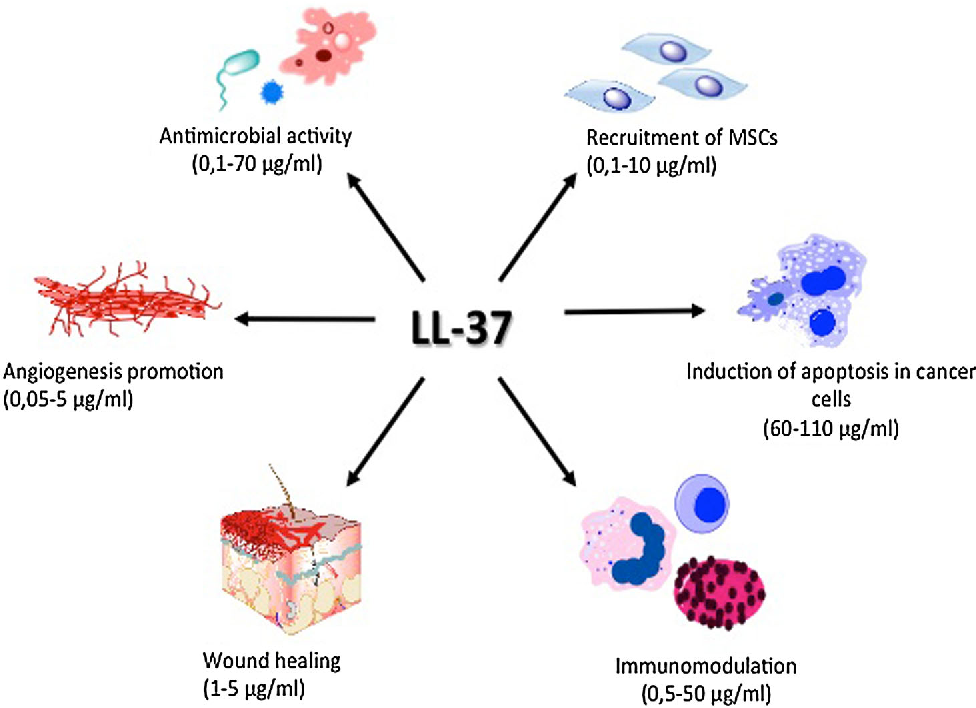
Humans carry a single cathelicidin. It kills microbes, calls in immune cells and helps wounds close — and, in the wrong context, teaches the immune system to attack its owner. A look at the most genuinely double-edged peptide in innate immunity.
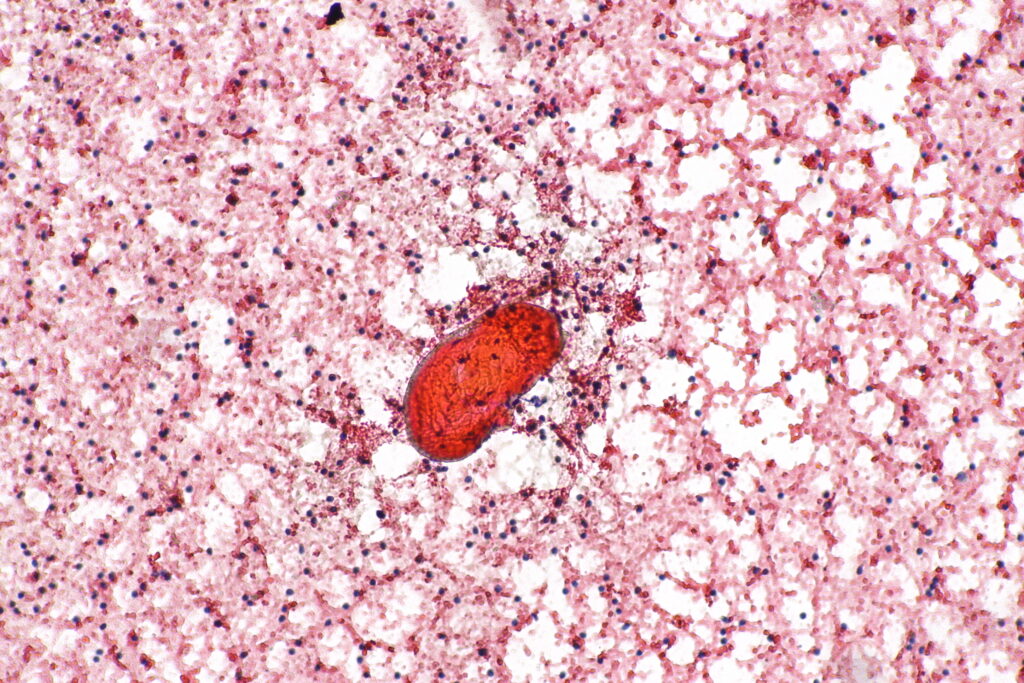
A small molecule made untrained mice run dramatically further. Two decades and several large human trials later, acadesine's record is a study in how rodent spectacle and clinical reality diverge.