
Tesofensine vs Enclomiphene: A Research-Use Comparison
Two molecules lumped together as metabolic small molecules that share no target, no mechanism and no research question, set side by side.
Tesofensine is a triple monoamine reuptake inhibitor studied in CNS and energy-balance models. Enclomiphene is the trans-isomer of clomiphene, a selective estrogen-receptor modulator studied in HPG-axis and gonadotropin models. Different target classes, different questions. Both are supplied strictly for research use only.
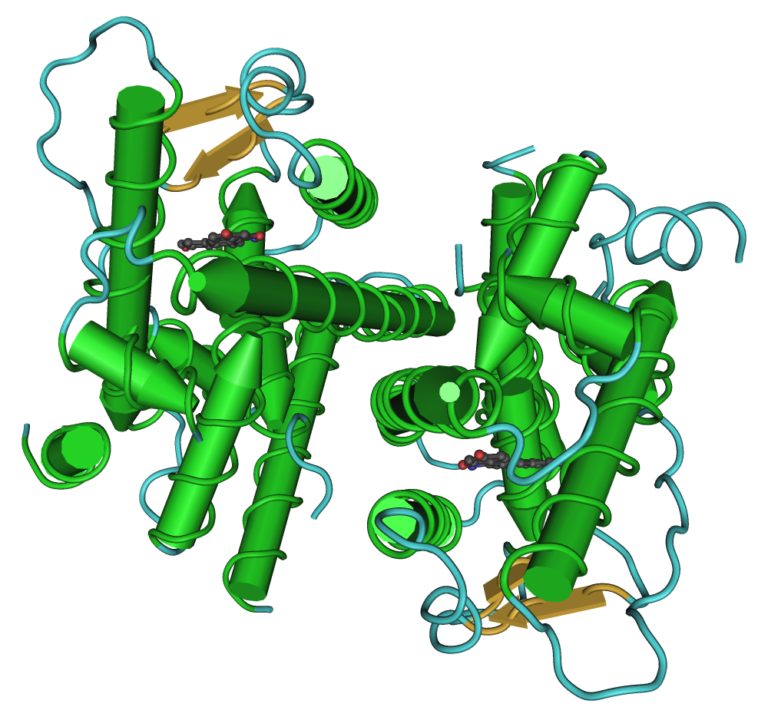
Both compounds are routinely filed under the loose heading of “metabolic small molecules,” yet they belong to entirely different pharmacological families and exist to answer entirely different research questions. This comparison is written for laboratory and research-professional audiences only. Nothing here describes human use, dosing or therapeutic outcomes; every mechanism is framed as it appears in the preclinical (in vitro and animal) and, where noted, published clinical literature. Both products are supplied for research use only (RUO) and are not drugs, supplements, or articles for human or veterinary use.
What are Tesofensine and Enclomiphene at the molecular level?
Tesofensine (NS2330, CAS 195875-84-4, C17H23Cl2NO, MW 328.29 g/mol) is a centrally acting small molecule that inhibits the serotonin, noradrenaline and dopamine reuptake transporters in parallel — a “triple monoamine reuptake inhibition” profile1. It first surfaced in central-nervous-system research and later became a recurring tool in appetite and energy-balance neuroscience.
Enclomiphene (CAS 7599-79-3, C26H28ClNO, MW 405.96 g/mol) is the purified trans-isomer of clomiphene — a non-steroidal selective estrogen-receptor modulator (SERM). Separated from its cis-isomer counterpart zuclomiphene, it is studied as a well-defined single chemical entity that acts as an estrogen-receptor antagonist at the level of the hypothalamus and pituitary5.
How do their mechanisms diverge in the literature?
The mechanisms are not comparable in kind; they sit in different signalling systems. Tesofensine’s is monoaminergic. By elevating synaptic serotonin, noradrenaline and dopamine, it has been characterised in diet-induced obese rats as suppressing feeding behaviour through indirect stimulation of α1-adrenoceptor and dopamine D1-receptor pathways2, and more recently as silencing a subset of GABAergic hypothalamic neurons that promote feeding4.
Enclomiphene’s is endocrine. As an estrogen-receptor antagonist at the hypothalamic-pituitary level, it has been studied for how SERM activity relieves estrogenic negative feedback and modulates gonadotropin (LH/FSH) signalling within the hypothalamic-pituitary-gonadal (HPG) axis56. Its distinct trans/cis isomeric chemistry remains an active subject of physicochemical characterisation in its own right.
The instinct to rank one above the other founders on a simple fact: there is no axis on which to rank them. A reuptake inhibitor and a receptor antagonist do not compete for the same role any more than a voltmeter competes with a centrifuge. Tesofensine acts at the synapse, altering the availability of transmitters that have already been released; Enclomiphene acts at the nucleus, blocking a hormone receptor and thereby reshaping a feedback loop several steps upstream. The first is a question about neurotransmission and behaviour; the second is a question about endocrine signalling and gland output. Conflating them is a category error, not a close call.
How do the two products compare side by side?
| Attribute | Tesofensine | Enclomiphene |
|---|---|---|
| Chemical class | Triple monoamine reuptake inhibitor (small molecule) | Selective estrogen-receptor modulator (SERM); trans-isomer of clomiphene |
| CAS / formula / MW | 195875-84-4 · C17H23Cl2NO · 328.29 g/mol | 7599-79-3 · C26H28ClNO · 405.96 g/mol |
| Mechanism investigated | Parallel inhibition of SERT/NET/DAT; α1-adrenoceptor & D1 pathways; GABAergic hypothalamic neurons (preclinical) | Estrogen-receptor antagonism at hypothalamus/pituitary; gonadotropin (LH/FSH) regulation in HPG-axis models |
| Primary research domain | CNS & energy-balance / appetite-circuit neuroscience | Endocrine / HPG-axis & gonadotropin-regulation models |
| Format | 30 HPMC (vegan) capsules, 500 mcg reference compound each | 60 HPMC (vegan) capsules, 12.5 mg reference compound each |
| Purity / characterisation | ≥98% (HPLC); third-party tested; COA available | ≥98% (HPLC); third-party tested; COA available |
| Handling | Encapsulated, no reconstitution; store at room temp, protect from light/moisture | Encapsulated, no reconstitution; store at room temp, protect from light/moisture |
| Status | Research Use Only · EU warehoused · geo-restricted at checkout | |
Side-by-side specifications and studied mechanisms for the two research compounds.
What does the state of the evidence actually show?
Honest framing matters here, because the two compounds carry very different evidence footprints in the published record. This is the asymmetry a careful reader should hold onto, and it is one that marketing copy tends to flatten. The two molecules are not at the same stage of scientific scrutiny, and pretending otherwise would misrepresent the literature.
Tesofensine. The mechanistic story is largely preclinical. The receptor-pathway and hypothalamic-neuron work cited above is animal and cell-based24. Additional obesity-related pharmacology, including comparisons with other appetite-modulating agents, has been reported in rodent models3, but the in-product mechanistic claims are anchored in animal and in vitro systems. The transporter-level and circuit-level findings are genuinely interesting tools for energy-balance neuroscience; they are not, and should not be read as, statements about people. We do not characterise human efficacy or safety.
Enclomiphene. The SERM mechanism is supported by both preclinical pharmacology5 and a more developed clinical endocrinology literature, including controlled studies and a systematic review and meta-analysis of estrogen-receptor modulation in androgen-deficient men78. Even so, within the RUO framework these are referenced only to characterise the compound’s studied biology — never as guidance for any use.
A comparison “between” these two is really a comparison of two distinct research programs: monoaminergic CNS and energy-balance pharmacology versus endocrine HPG-axis SERM pharmacology.
0 shared molecular targets unite the two compounds, which is why neither can stand in for the other in any experimental model.
Which is appropriate for a given research model?
Selection follows the biology, not a ranking. Investigations into monoamine-transporter pharmacology, appetite circuitry or central energy-balance signalling point to Tesofensine. Investigations into estrogen-receptor antagonism, gonadotropin feedback or HPG-axis endocrinology point to Enclomiphene. The choice is dictated entirely by the experimental question being modelled in vitro or in animals; there is no scenario in which one is simply the “better” molecule, because they are not answering the same question.
Both compounds are supplied strictly for research use only and are not drugs, supplements, foods, cosmetics or articles for human or veterinary use. Each is characterised at ≥98% purity by HPLC and third-party tested, with full citations listed under the Scientific References tab on the respective product pages and a Certificate of Analysis available for every batch.
- Tesofensine (NS2330) is a small-molecule triple monoamine reuptake inhibitor; Enclomiphene is a SERM and the trans-isomer of clomiphene. No shared target.
- Tesofensine sits in monoaminergic CNS and appetite-circuit neuroscience; Enclomiphene in endocrine HPG-axis and gonadotropin-regulation models.
- Honest asymmetry: Tesofensine's cited mechanism is largely preclinical, while Enclomiphene has a more developed clinical endocrinology literature, including a systematic review and meta-analysis.
- Because they share no target, neither is a substitute for the other; the experimental question dictates the choice of compound.
- Both are supplied at ≥98% (HPLC), third-party tested with a COA per batch, strictly for research use only — not for human or veterinary use.
Tesofensine vs Enclomiphene — which is better for research?
Neither is universally “better,” and they are not interchangeable. They act on different systems — Tesofensine on monoamine transporters in CNS and energy-balance models, Enclomiphene on estrogen receptors in HPG-axis and gonadotropin models. The right choice is determined entirely by the experimental question being studied in vitro or in animals. Both are research use only.
Are Tesofensine and Enclomiphene in the same drug class?
No. Tesofensine is a triple monoamine (serotonin/noradrenaline/dopamine) reuptake inhibitor, a small-molecule CNS-active research compound. Enclomiphene is a selective estrogen-receptor modulator (SERM), specifically the trans-isomer of clomiphene. They share no target class or mechanism.
Is the mechanism evidence for these compounds preclinical or clinical?
Tesofensine's product-cited mechanism, covering alpha1-adrenoceptor/D1 pathways and GABAergic hypothalamic neurons, is drawn from animal and in vitro studies. Enclomiphene's SERM mechanism is supported by both preclinical pharmacology and a clinical endocrinology literature, including a systematic review and meta-analysis. In all cases the references characterise studied biology only, not human use.
What are the chemical specifications of each compound?
Tesofensine: CAS 195875-84-4, C17H23Cl2NO, MW 328.29 g/mol, supplied as 30 capsules of 500 mcg reference compound at ≥98% (HPLC). Enclomiphene: CAS 7599-79-3, C26H28ClNO, MW 405.96 g/mol, supplied as 60 capsules of 12.5 mg reference compound at ≥98% (HPLC). Each batch is third-party tested with a COA available.
Can these compounds be used in humans or as supplements?
No. Both are intended strictly for laboratory research use only (RUO). They are not drugs, foods, cosmetics or dietary supplements, and are not for human or veterinary use, ingestion or diagnostic application. Handling is restricted to qualified research professionals in an appropriately equipped laboratory.
Why would a lab study one over the other?
Because they model different biology. A monoamine-transporter, appetite-circuit or central energy-balance study calls for Tesofensine; an estrogen-receptor-antagonism, gonadotropin-feedback or HPG-axis endocrine study calls for Enclomiphene. They answer different questions and are not substitutes for one another.