
Peptide science, clearly referenced.
Independent, literature-backed explainers on research compounds — every claim cited to PubMed, every framing strictly research-use-only.
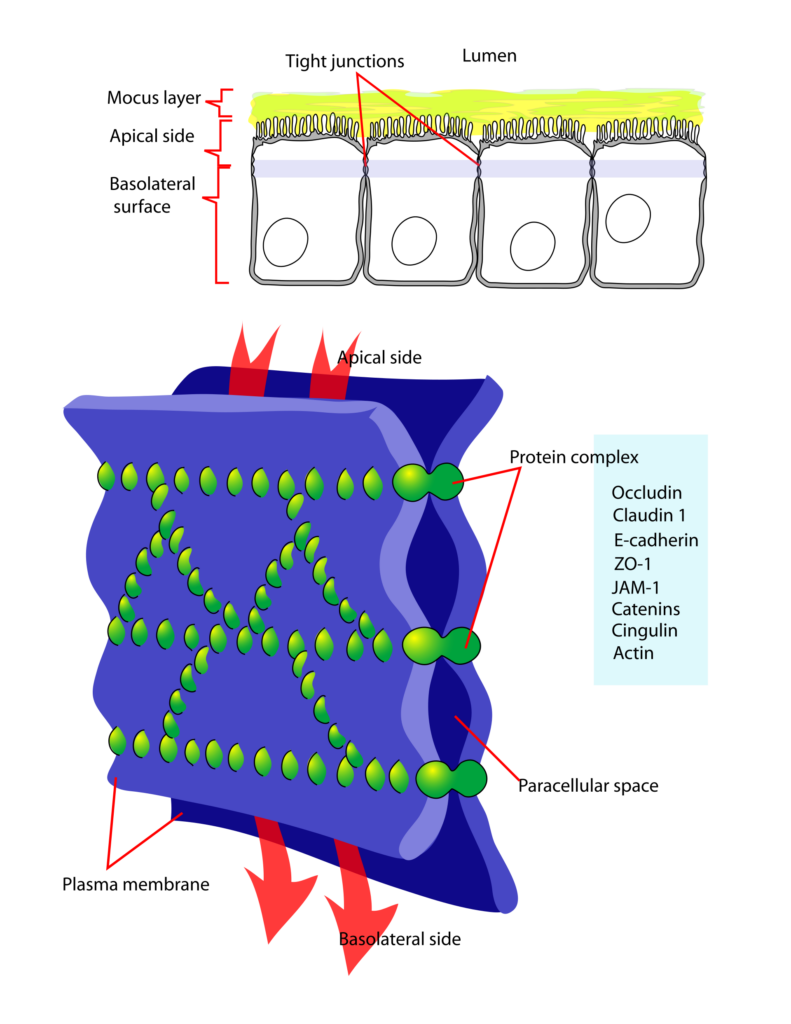
KPV and larazotide are both studied in intestinal-barrier and inflammation research, but by different mechanisms. A sober, RUO comparison — including larazotide's negative phase III result. References verified.

A research guide to KPV, the C-terminal tripeptide of α-MSH: how PepT1 uptake, NF-κB/MAPK signalling and antimicrobial activity have been studied in gut and skin models — and why the evidence is still mostly preclinical.

A deep research guide to GHK-Cu, the copper-binding tripeptide Gly-His-Lys. Coordination chemistry, extracellular-matrix and gene-expression mechanisms, and an honest in-vitro to limited-human evidence map. Research use only.
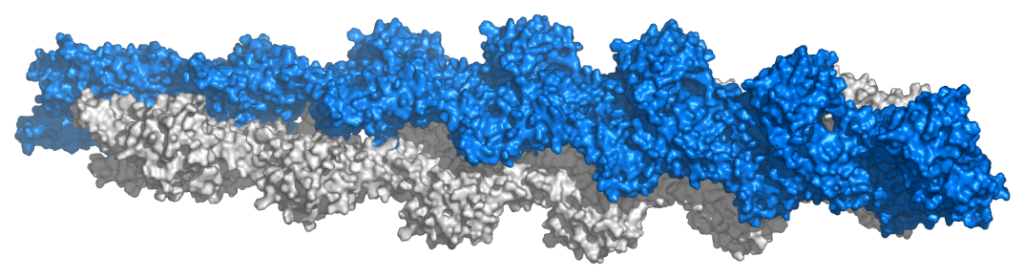
The name 'TB-500' covers two unrelated research molecules: full-length thymosin β4 (43 aa) and short Tβ4-derived fragments. What each one actually is, what the literature reports, and how to tell them apart. Research use only.
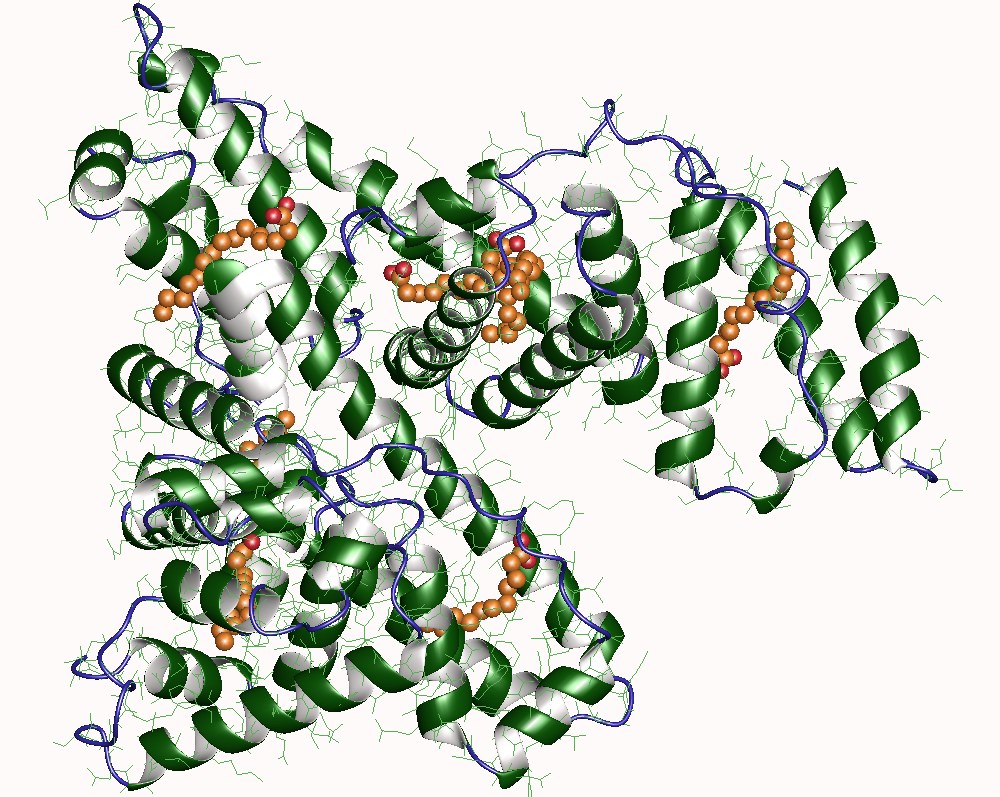
CJC-1295 DAC and CJC-1295 no-DAC (Modified GRF 1-29) share one peptide backbone but differ in half-life. A research-use-only comparison of structure, pharmacokinetics and the published evidence, with verified references.
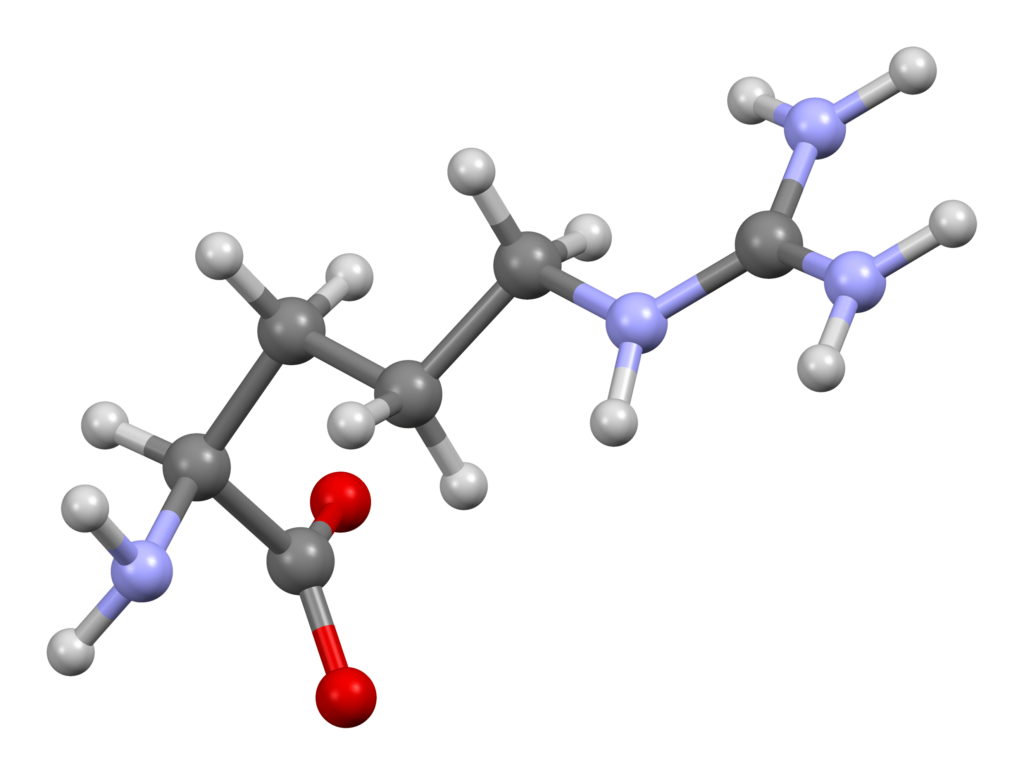
BPC-157 arginate vs standard BPC-157, compared for research: the salt-form (arginine vs acetate) chemistry, what it changes for solubility and handling stability, and what it does not change about the peptide itself. Research use only.

A provider-neutral, evidence-first checklist for evaluating any European research-peptide supplier — by the documentation you can verify, not the marketing you have to trust.
Blueprint's founder has run dozens of peptides through his body and his biomarkers. Ranked by evidence, his protocol separates the plausible from the speculative — and his most instructive move was quitting something that "felt" like it worked.

The 2026 list names dozens of growth-hormone peptides as prohibited at all times for athletes. But the silences in Section S2 — BPC-157, TB-500, MOTS-c — matter as much as the named substances.
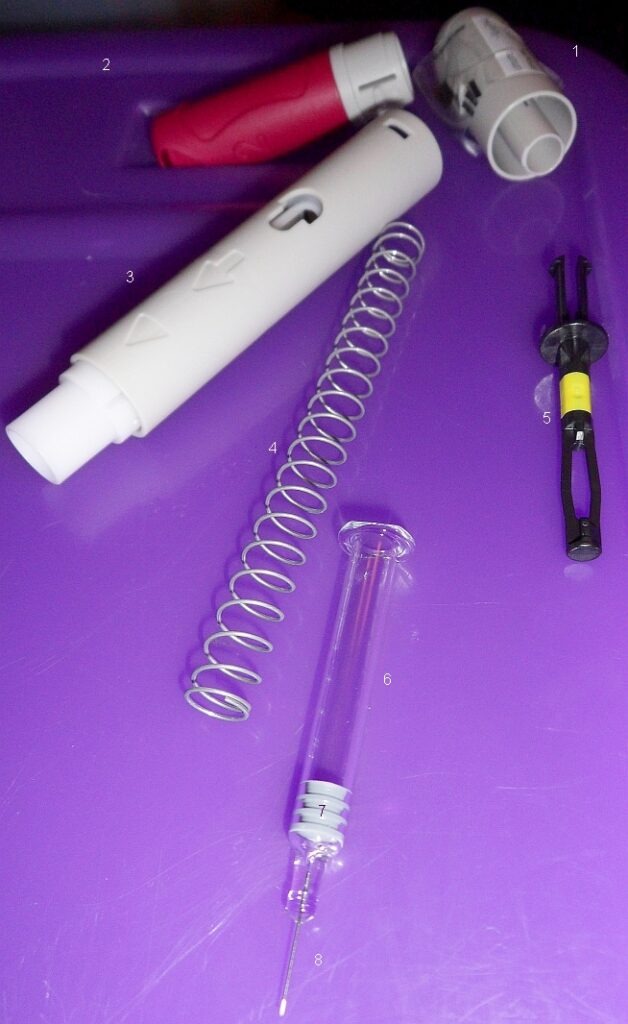
The GLP-1 shortage spawned a compounding boom. As the FDA winds it down, semaglutide is left as three distinct things that share a molecule's regulatory story but not a legal status — and a research vial is the most misunderstood of them.