
Peptide Cancer Vaccines: What the KRAS Trials Are Actually Showing
Mutant-KRAS peptide cancer vaccines, read honestly: the 2026 phase I colorectal trial, ELI-002 results, and why T-cell responses have rarely meant survival.
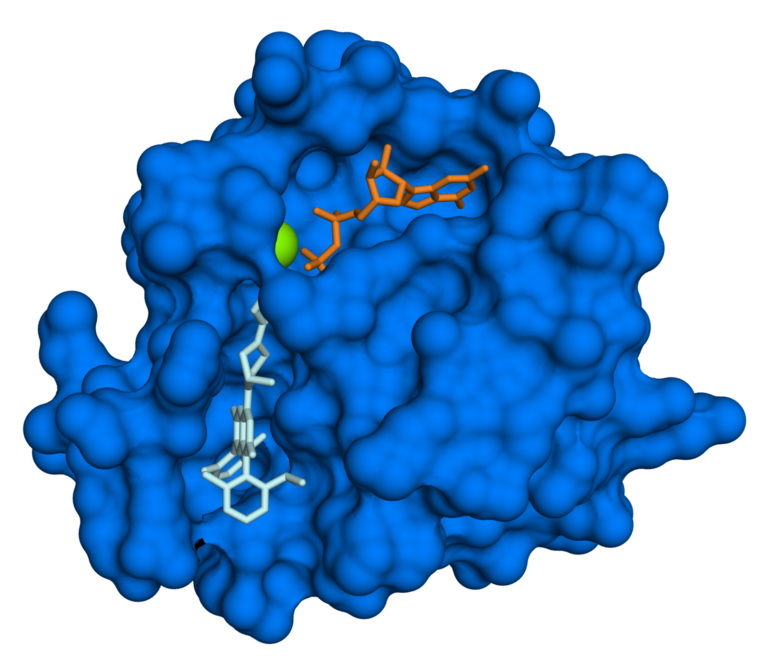
A June 2026 phase I trial gave a pooled mutant-KRAS peptide vaccine with nivolumab and ipilimumab to thirteen patients with metastatic MSS colorectal cancer. Both primary endpoints, safety and immunogenicity, were met: 75% showed KRAS-reactive T cells ex vivo. It is an early signal, not evidence of survival benefit.
Of everything synthetic peptides are used for, the most clinically demanding is teaching an immune system to recognise a cancer cell. In June 2026 a group at Johns Hopkins reported what happened when a pooled mutant-KRAS peptide vaccine was given alongside two checkpoint inhibitors to thirteen people with metastatic colorectal cancer. The result is genuinely interesting and considerably narrower than the coverage suggested. What follows is literature reportage for a research audience. Every vaccine discussed here is an investigational medicinal product developed under clinical trial regulation, none is a Condor Research product, and nothing in this article is medical advice or guidance for human use.
Why has mutant KRAS become the target everyone wants?
KRAS was for decades the textbook example of an oncogenic driver that medicinal chemistry could not touch — a small, smooth GTPase with no obvious pocket. Immunology offers a way around the structural problem: you do not have to inhibit the protein if you can persuade T cells to kill the cells that carry it.
What makes mutant KRAS unusually attractive is that it is a shared neoantigen. Most tumour neoantigens are private, arising from mutations unique to one patient. KRAS is different: the same small set of codon 12 and 13 substitutions recurs across enormous numbers of cancers. Driver mutations in KRAS are present in approximately 93% of pancreatic ductal adenocarcinoma and 50% of colorectal cancer,2 and in roughly 40% of the mismatch-repair-proficient, microsatellite-stable colorectal cancers that respond poorly to checkpoint inhibitors alone.1 Because the mutation is absent from normal tissue, T cells directed against it are not constrained by thymic tolerance, and on-target off-tumour toxicity is unlikely. Because the tumour depends on the driver, antigen loss is a less available escape route than it is for passenger antigens.2
That is the theoretical case, and it is a strong one. The clinical case is younger and much thinner.
What the 2026 colorectal trial measured, and what it did not
The trial in question is a single-arm phase I study (NCT04117087) of mKRAS-VAX, a pooled mutant-KRAS peptide vaccine covering six KRAS mutations, given with nivolumab and ipilimumab to 13 patients with pretreated metastatic MMRp/MSS colorectal cancer.1 Both primary endpoints — safety and immunogenicity within 17 weeks of vaccination — were met.
On safety, every adverse event attributed to the vaccine itself was grade 1 or 2, and adding it did not increase the frequency of severe immune-related adverse events beyond what dual checkpoint blockade produces on its own. On immunogenicity, tumour-specific mKRAS-reactive T cells increased in 8 of 12 biomarker-evaluable patients (75%) by direct ex vivo IFN-γ ELISpot, and in all 12 (100%) after in vitro expansion.1
Efficacy by RECIST v1.1 was a secondary endpoint. It is worth being precise about what a design like this can and cannot establish: with thirteen patients, no control arm, and a backbone of two active checkpoint inhibitors, there is no statistical route to separating a vaccine effect from the behaviour of nivolumab and ipilimumab. The authors’ own conclusion is appropriately modest — the findings support further development, which is exactly what a positive phase I is for.
13 patients in the phase I trial behind the 2026 mutant-KRAS vaccine headlines — a single-arm study whose primary endpoints were safety and immunogenicity, not survival.
ELI-002 and the lymph-node targeting approach
The most developed shared-KRAS peptide vaccine is ELI-002 2P from Elicio Therapeutics, tested in the phase 1 AMPLIFY-201 trial. Its design addresses a real pharmacokinetic problem: small soluble peptides and adjuvants distribute poorly to lymph nodes, where the antigen-presenting cells that matter actually live. ELI-002 conjugates mutant KRAS long peptides (G12D and G12R) and a CpG-7909 adjuvant to diacyl lipids that bind endogenous albumin, so the components “hitchhike” to draining lymph nodes.2
In 25 patients with minimal residual mKRAS disease after locoregional treatment (20 pancreatic, 5 colorectal), there were no dose-limiting toxicities, direct ex vivo mKRAS-specific T-cell responses occurred in 21 of 25 (84%), with both CD4+ and CD8+ subsets in 59%, and median relapse-free survival was 16.33 months.2 Final results at a median follow-up of 19.7 months reported both CD4+ and CD8+ induction in 71% of evaluable patients and antigen spreading — new T-cell reactivity against tumour antigens not contained in the vaccine — in 67%.3
The headline numbers from that final report are the survival comparisons: among patients whose T-cell response exceeded a 9.17-fold increase over baseline, median radiographic relapse-free survival was not reached versus 3.02 months below the threshold (HR 0.12), and median overall survival was not reached versus 15.98 months (HR 0.23).3 Those hazard ratios are large. They are also derived from splitting a single-arm cohort of 25 patients by a biomarker measured after treatment. Patients who mount vigorous immune responses may differ systematically from those who do not — in disease burden, performance status, prior therapy — in ways that independently predict survival.
A within-trial split between strong and weak immune responders is not a control arm. It is the same shape of analysis that looked convincing for a generation of cancer vaccines that later failed randomisation.
Why long peptides, and why HLA sets the ceiling
Early peptide vaccines used minimal epitopes: the exact 8-10-mer that fits an HLA class I groove. The logic seemed sound and the clinical results were poor. A controlled mouse experiment explained why. Injecting a minimal class I-binding epitope in incomplete Freund’s adjuvant transiently activated CD8+ effector T cells that then failed to undergo secondary expansion or kill targets, because peptide leaking out of the depot was presented systemically and persistently without accompanying danger signals. Simply extending the same epitope to 30 amino acids preserved sustained cytotoxic function, independent of T-cell help, because the longer peptide was presented predominantly in the locally inflamed draining lymph node.6 The practical reading is that a long peptide has to be taken up and processed by a professional antigen-presenting cell to be displayed at all, which biases presentation towards cells equipped to prime rather than tolerise, and supports both CD4+ and CD8+ responses.7 Every serious peptide vaccine platform now uses synthetic long peptides, ELI-002 included.2
The harder constraint is HLA. A vaccine cannot display anything by itself; the patient’s own HLA molecules must bind and present the mutant sequence. Immunopeptidomics on mono-allelic cell lines has confirmed which shared oncogene neoepitopes are genuinely processed and presented — KRAS G12V on HLA-A*03:01, KRAS G13D on HLA-A*11:01, among others.5 The consequence is that mutation frequency overstates the addressable population, sometimes badly.
The most instructive single case in this literature is also a warning. A patient with metastatic colorectal cancer received HLA-C*08:02-restricted tumour-infiltrating lymphocytes targeting KRAS G12D and had objective regression of all seven lung metastases. Nine months later one lesion progressed; on resection it had lost the chromosome 6 haplotype encoding HLA-C*08:02.4 The tumour did not discard the driver mutation — it discarded the molecule that displayed it. Loss of class I HLA is not rare in this setting: KRAS-mutated pancreatic tumours show total loss of class I HLA expression in 43% of metastases.2
The personalised long-peptide track
Running alongside the shared-antigen work is the personalised approach, where the vaccine is built from each patient’s own mutations. The landmark report was NeoVax: a synthetic long peptide vaccine targeting up to 20 predicted personal neoantigens with poly-ICLC, in six patients with resected stage III/IV melanoma. Vaccine-induced polyfunctional CD4+ and CD8+ T cells targeted 58 (60%) and 15 (16%) respectively of the 97 unique neoantigens used across patients; four of six had no recurrence at 25 months, and the two who recurred achieved complete tumour regression on subsequent anti-PD-1 therapy.8 Long-term follow-up of eight patients at a median of nearly four years found all alive, six with no evidence of active disease, with persistent memory T cells and evidence of epitope spreading.10 A parallel RNA-based mutanome study reported objective responses in two of five patients with metastatic disease, and a late relapse driven by outgrowth of β2-microglobulin-deficient melanoma — again, escape through the presentation machinery.9
These are six- and eight-patient cohorts in a disease with a wide natural history, and they are not randomised. The method continues to reproduce: a 2026 phase Ib trial of intramuscular personalised long-peptide vaccines in 12 patients with advanced melanoma or renal cell carcinoma found de novo T-cell responses in all participants, with an average of 53% of peptides per patient immunogenic and no immune-mediated toxicity.11
| Trial | Platform | Phase, N | Population | Headline result |
|---|---|---|---|---|
| mKRAS-VAX + nivolumab/ipilimumab1 | Pooled mKRAS peptides, 6 mutations | I, n=13 | Pretreated metastatic MMRp/MSS CRC | Safety and immunogenicity endpoints met; 75% ex vivo ELISpot response |
| AMPLIFY-201 (ELI-002 2P)2,3 | Amphiphile long peptides G12D/G12R + Amph-CpG-7909 | 1, n=25 | MRD-positive PDAC (20) and CRC (5) | 84% ex vivo T-cell responses; survival split is biomarker-defined, not randomised |
| NeoVax8,10 | Personalised synthetic long peptides + poly-ICLC | I, n=6 (8 in follow-up) | Resected stage IIIB/C-IV melanoma | CD4+ and CD8+ responses persisting ~4 years; 6 of 8 disease-free |
| IMPACT11 | Personalised SLP, intramuscular + poly-ICLC | Ib, n=12 | Advanced melanoma / renal cell carcinoma | De novo responses in all; 53% of peptides immunogenic per patient |
| MAGRIT12 | recMAGE-A3 protein + AS15 | 3, n=2,312 | Resected MAGE-A3-positive NSCLC | Disease-free survival HR 1.02 (0.89-1.18), p=0.74; development stopped |
| ACT IV13 | Rindopepimut (EGFRvIII peptide-KLH) + GM-CSF | 3, n=745 | Newly diagnosed EGFRvIII-positive glioblastoma | Median OS 20.1 vs 20.0 months, HR 1.01; terminated for futility |
| TeloVac14 | GV1001 telomerase peptide + GM-CSF | 3, n=1,062 | Locally advanced / metastatic pancreatic cancer | Median OS 7.9 vs 6.9 vs 8.4 months; no survival improvement |
Trials are not comparable to each other: they differ in disease, line of therapy, disease burden, endpoint and era, and the phase I entries are single-arm studies of a few dozen patients or fewer whose results cannot be read as efficacy. Every agent listed is an investigational medicine studied under clinical trial regulation. None is a research-use-only material and none is available outside a clinical trial.
An honest read of the evidence
The most important context for the 2026 KRAS results is the field’s track record, which is bad. MAGRIT screened 13,849 patients to randomise 2,312 with MAGE-A3-positive resected lung cancer and returned a disease-free survival hazard ratio of 1.02; further development was stopped.12 ACT IV randomised 745 patients with EGFRvIII-positive glioblastoma and was terminated for futility, with median overall survival of 20.1 months versus 20.0.13 TeloVac randomised 1,062 patients with advanced pancreatic cancer to chemotherapy with or without a telomerase peptide vaccine and found no overall survival benefit in either schedule.14
Several of those vaccines were immunogenic. That is the central lesson: an ELISpot count measures the immune system, not the tumour. Immunogenicity has repeatedly failed to translate into survival, and the reasons are well characterised — suboptimal antigen delivery and an immunosuppressive tumour microenvironment that neutralises T cells after they arrive.7 The genuinely new variable in the current generation of trials is checkpoint blockade, which addresses the second half of that problem and is the reason a vaccine-plus-ICI design is being tried in MSS colorectal cancer at all.1
So the fair summary is this. The 2026 trial is a well-conducted, honestly reported phase I study showing that a shared mutant-KRAS peptide vaccine can be added to dual checkpoint blockade safely and reliably raises KRAS-reactive T cells. It does not show that patients live longer, it was not built to, and thirteen patients could not answer that question under any analysis. ELI-002’s larger response rates and lymph-node targeting are a real engineering advance, but its striking survival figures rest on a post-treatment biomarker split within a 25-patient single-arm cohort. HLA restriction means the addressable population is smaller than the mutation frequency implies, and tumours have a demonstrated escape route through loss of the presenting allele. Randomised phase II and III data will decide this, as they have decided it before.
One boundary deserves stating plainly, because the word “peptide” spans two entirely separate worlds. The compounds a research buyer encounters in the immunology literature — sequences such as thymosin alpha-1 or the cathelicidin LL-37 — are laboratory reference materials characterised for in vitro and preclinical work. The vaccines described in this article are investigational medicinal products: manufactured to pharmaceutical standards, administered under trial authorisation and ethics committee oversight, with regulated safety monitoring and defined endpoints. They share an amide backbone and nothing else. For how that distinction is drawn in practice, see our explainers on what research peptides are and what research use only actually means. Condor Research supplies research-use-only reference materials for laboratory use only; we do not supply, and this article does not describe, anything intended for administration to humans or animals.
Condor Research · Scientific desk
Atrio Sciences s.r.o., IČO 57 669 651, Nitra (SK) · info@condorresearch.com
- A phase I trial published in Nature Communications in June 2026 gave mKRAS-VAX, a pooled mutant-KRAS peptide vaccine covering six KRAS mutations, with nivolumab and ipilimumab to 13 patients with pretreated metastatic MMRp/MSS colorectal cancer (NCT04117087); both primary endpoints, safety and immunogenicity, were met.
- In that trial, mKRAS-reactive T cells increased in 8 of 12 biomarker-evaluable patients (75%) by direct ex vivo IFN-γ ELISpot and in 12 of 12 (100%) after in vitro expansion; all adverse events attributed to the vaccine were grade 1 or 2.
- Mutant KRAS is a shared or 'public' neoantigen: KRAS driver mutations are present in roughly 93% of pancreatic ductal adenocarcinoma and 50% of colorectal cancer overall, and about 40% of mismatch-repair-proficient colorectal cancer.
- ELI-002 2P, an amphiphile long-peptide vaccine targeting KRAS G12D and G12R, produced ex vivo mKRAS-specific T-cell responses in 21 of 25 patients (84%) in the phase 1 AMPLIFY-201 trial; its striking survival figures come from a within-cohort split by immune response, not a randomised comparison.
- Synthetic long peptides (~20-30-mers) outperform minimal epitopes because they must be taken up and processed by professional antigen-presenting cells in the draining lymph node, rather than loading directly onto any HLA-bearing cell without danger signals.
- Shared-neoantigen vaccines are limited by HLA type: specific mutant KRAS epitopes are presented by particular alleles such as HLA-A*03:01, HLA-A*11:01 and HLA-C*08:02, and tumours can escape by losing the presenting allele.
- Therapeutic cancer vaccines have a long phase III record of failure — MAGRIT (n=2,312, DFS HR 1.02), ACT IV (n=745, median OS 20.1 vs 20.0 months) and TeloVac (n=1,062) all missed — which is why measurable immunogenicity is not evidence of clinical benefit.
What did the 2026 KRAS peptide vaccine trial actually show?
It showed that mKRAS-VAX could be added to dual checkpoint blockade in 13 patients with metastatic MSS colorectal cancer without adding severe toxicity, and that it raised mutant-KRAS-reactive T cells in 75% of biomarker-evaluable patients by direct ex vivo ELISpot. Both primary endpoints — safety and immunogenicity — were met. It was a single-arm study of 13 people and was not designed to demonstrate a survival benefit.
Why is mutant KRAS considered such an attractive vaccine target?
Because it is a shared neoantigen. The same handful of codon 12 and 13 substitutions recur across a very large fraction of pancreatic, colorectal and lung cancers, they are absent from normal tissue so they bypass thymic tolerance, and the tumour generally needs them to survive, which limits antigen loss as an escape route. That combination allows one off-the-shelf vaccine to address many patients rather than being manufactured per person.
What is the difference between a synthetic long peptide and a minimal epitope vaccine?
A minimal epitope is the exact 8-10-mer that fits an HLA class I groove, so it can load directly onto the surface of almost any HLA-bearing cell, including cells that provide no costimulation. In a controlled mouse comparison, that route produced CD8+ T cells that expanded transiently and then failed to expand again or kill targets. Extending the same epitope to 30 amino acids preserved sustained cytotoxic reactivity, because the longer peptide required processing and was presented predominantly in the inflamed draining lymph node.
What does HLA restriction mean for these vaccines?
A vaccine cannot present a mutant peptide by itself; the patient's own HLA molecules must be able to bind and display it. Mass spectrometry of mono-allelic cell lines has confirmed, for example, that KRAS G12V is naturally presented on HLA-A*03:01 and KRAS G13D on HLA-A*11:01. A patient whose HLA type cannot present their particular KRAS mutation is unlikely to benefit, which narrows the eligible population well below the mutation frequency.
Have therapeutic cancer vaccines ever worked in phase III?
The record is poor. MAGRIT randomised 2,312 patients with resected MAGE-A3-positive lung cancer and found a disease-free survival hazard ratio of 1.02; development stopped. ACT IV randomised 745 patients with EGFRvIII-positive glioblastoma and closed for futility with median overall survival of 20.1 versus 20.0 months. TeloVac randomised 1,062 patients with advanced pancreatic cancer and showed no overall survival improvement. Several of these vaccines were demonstrably immunogenic.
Are these vaccines related to research-use-only peptides sold as reference materials?
No. Therapeutic peptide cancer vaccines are investigational medicinal products manufactured to pharmaceutical standards, administered to patients under clinical trial authorisation and ethics approval, with regulated pharmacovigilance. Research-use-only peptides are laboratory reference materials supplied for in vitro and preclinical work only. The two categories share chemistry — chains of amino acids — and nothing else in law, manufacture, or intended use.