
What the FDA Is About to Debate on Peptide Impurities, Sameness and Manufacturing
The FDA and CRCG hold a two-day workshop on the generic GLP-1 pathway on 23 and 24 September 2026. The agenda names every point at which two peptides with identical sequences stop being the same medicine.
The FDA and the Center for Research on Complex Generics hold a hybrid workshop on 23 and 24 September 2026 on navigating the generic GLP-1 pathway. Its stated goal is to build evidence-based approaches to critical quality attributes for recombinant and synthetic generic peptide products, manufacturing quality and drug-device combination challenges. Named topics include active ingredient sameness, analytical characterisation, impurity profiling, recombinant production impurities, immunogenicity, oral peptide bioequivalence and absorption enhancement, and device user interface and quality.
The FDA and the Center for Research on Complex Generics hold a two-day workshop on the generic GLP-1 pathway on 23 and 24 September 2026, and the agenda is a precise map of everything that makes a peptide harder to copy than a tablet.1 The agency’s own description lists sameness of the active ingredient, analytical characterisation, impurity profiling, recombinant production impurities, immunogenicity, oral formulation and bioequivalence, and the device half of a drug-device combination. Each of those is a place where two products with identical amino acid sequences can fail to be the same medicine. This page sets out what is being asked and will be updated after the workshop. Condor Research supplies reference materials for laboratory research use only; this article is regulatory and analytical commentary.
What is happening on 23 and 24 September?
A hybrid workshop, running 08:00 to 16:30 Eastern on both days, jointly organised by the FDA and the Center for Research on Complex Generics.1 The FDA describes its goal as fostering discussion of evidence-based approaches to establishing acceptable critical quality attributes for recombinant and synthetic generic peptide products, addressing manufacturing quality, and tackling drug-device combination challenges. Two sessions are in-person only, one of them structured around four topics the agency names explicitly: device constituents, impurities and immunogenicity, GLP-1 characterisation and sameness assessment, and orally administered peptides.
Why does a generic peptide need a workshop at all?
Because the usual logic of generic approval does not transfer cleanly. For a small molecule, sameness is chemistry: the active ingredient is a defined structure, identity is straightforward to demonstrate, and the regulatory question reduces to whether the copy delivers the same exposure. A therapeutic peptide is dozens of amino acids assembled either by chemical synthesis or by expression in living cells, and the product is not only the target sequence but everything that comes with it. The 2021 guidance that opened this pathway was itself narrow, covering when a synthetic peptide referring to a listed drug of recombinant origin may be submitted as an abbreviated application rather than a new drug application, and it named five peptides.3 The GLP-1 products now in question are a considerably harder case.
We covered the July 2026 revision of the agency’s thinking in why a generic peptide is harder than a generic pill. This workshop is the next step in the same conversation.
What does sameness of the active ingredient actually mean?
Not merely the right sequence. Two batches with identical primary structure can differ in higher-order structure, in aggregation state, in the distribution of closely related impurities, and in the counterion and residual solvent they carry. Any of those can affect how the molecule behaves in a formulation, how it degrades over shelf life, and how an immune system encounters it. Demonstrating sameness therefore means demonstrating a whole analytical profile, not passing an identity test. This is the same problem a research buyer faces at smaller scale, which is the subject of our certificate of analysis guide and our net peptide content standard.
Identical sequence is the starting condition, not the conclusion. Everything regulators are meeting to discuss lives in what the sequence does not determine.
Why does the manufacturing route leave a fingerprint?
Because the two routes fail differently. Solid-phase synthesis builds a chain one residue at a time, and its characteristic impurities are the arithmetic consequences of that process: deletion sequences where a coupling did not complete, truncations, insertions, incompletely removed protecting groups, and modified side chains. Recombinant expression produces a correctly assembled chain but brings the biology with it: host cell proteins, host cell DNA and process-related residues from purification. The FDA lists best practices for characterising and controlling recombinant peptide production impurities as its own agenda item for exactly this reason.1 A synthetic copy of a recombinant original does not contain fewer impurities. It contains a different set, and the comparison is not like for like.
Why is the impurities and immunogenicity session the important one?
Because it connects an analytical measurement to a clinical consequence. Peptide-related impurities, particularly aggregates and variants differing slightly from the parent molecule, are the plausible route by which a copy could provoke an immune response the reference product does not. That risk is why the question is not simply whether total impurities sit below a threshold, but whether any individual new impurity is present that the original does not contain. A 2026 review in Pharmaceutical Research addresses precisely this for follow-on and compounded GLP-1 receptor agonists, which is the nearer-term version of the same concern.4
0 fully approved generic semaglutide products are marketable in the United States. One tentative approval was announced in April 2026, which recognises the application while patents and exclusivities remain.5
How do you show bioequivalence for a drug that is barely absorbed?
Carefully, and that is why oral semaglutide has a session of its own. When only a small percentage of an oral dose reaches the circulation, and absorption depends on a co-formulated enhancer, on gastric conditions and on dosing in the fasted state, the variability between individuals and between occasions can be large relative to the difference a bioequivalence study is trying to detect. The agency’s listed topics include formulation and delivery innovations, bioequivalence study design for oral peptide formulations, and absorption enhancement technologies.1 A generic of an oral peptide must replicate not only the molecule but the delivery system that makes it work at all, a problem we set out in how oral peptides break the bioavailability barrier.
Why the device is half the product
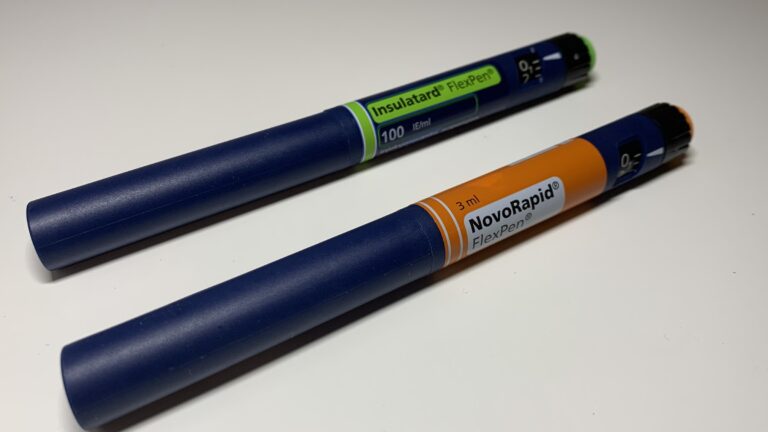
Most GLP-1 products reach patients through a pen injector, which makes them drug-device combination products. The FDA’s agenda covers comparative analyses of device user interfaces, considerations for design differences, quality for generic injectors, and the drug-device interface.1 Human factors work is a substantive regulatory hurdle: a generic must be usable by the same population without new error modes, and a device difference that looks cosmetic can change how a dose is delivered. A company can solve the chemistry completely and still be unable to launch.
What does the timing tell you?
That this is an open file rather than a settled one. The FDA published a Federal Register notice of revised draft product-specific guidances on 29 July 2026, with the comment period closing on 28 September.2 The workshop ends on 24 September, four days before that window shuts. Discussion at the workshop can therefore still reach the agency as formal comment on the guidances themselves, which is a reasonable inference from the calendar rather than a stated intention.
What we will be watching
Four things, and we will update this page after 24 September with what was actually said. Whether the agency signals a quantitative expectation for new peptide-related impurities or keeps the approach case by case. Whether sameness assessment converges on a defined analytical package or remains a product-specific negotiation. Whether immunogenicity testing expectations are described in terms of assays rather than principles. And whether anything is said about the timeline for oral peptide bioequivalence, which is the gate on the largest commercial opportunity in the category.
What is established, and what is not
Established: the workshop exists, with the dates, format and topic list described above, all taken from the FDA’s own event page; the 2021 guidance opened the abbreviated pathway for certain synthetic peptides referring to recombinant listed drugs; and a Federal Register comment period on revised draft product-specific guidances closes on 28 September 2026.
Not established: anything about what the agency will conclude, since a workshop is a discussion and not a rulemaking. Not established: session-level speaker lists and detailed agenda ordering, which we have not reproduced here because the versions in circulation come from co-organiser materials rather than from the FDA page. What would change the assessment: the workshop record itself, and any subsequent guidance revision that follows it.
How this was checked. The FDA event page was read directly on 13 September 2026 and is the source for the dates, times, format, stated goal and every topic listed in this article, including the four in-person session subjects. The two Federal Register notices were verified through the Federal Register API, which confirmed their titles, publication dates and the 28 September 2026 comment deadline. Nothing in this article is taken from secondary coverage of the workshop. Version 1.0, first published 13 September 2026; this page will be updated after the workshop closes on 24 September 2026.
Condor Research supplies characterised reference materials for laboratory research use only: not for human or veterinary use, not for diagnostic or therapeutic application, and not for any food or cosmetic purpose. This article is commentary on pharmaceutical quality science and its regulatory framework. It is not legal advice and contains no therapeutic claim.
Condor Research · Scientific desk
Atrio Sciences s.r.o., IČO 57 669 651, Nitra (SK) · info@condorresearch.com
- The workshop runs 23 and 24 September 2026, 08:00 to 16:30 Eastern, in hybrid format, organised jointly by the FDA and the Center for Research on Complex Generics.
- Two sessions are in-person only, one structured around device constituents, impurities and immunogenicity, GLP-1 characterisation and sameness assessment, and orally administered peptides.
- Sameness of an active ingredient means more than identical sequence: higher-order structure, aggregation, impurity distribution, counterion and residual solvent all differ between products.
- Solid-phase synthesis and recombinant expression fail differently, producing deletion sequences and truncations in one case and host cell proteins and DNA in the other.
- A synthetic copy of a recombinant original does not contain fewer impurities, it contains a different set, which is why the comparison is not like for like.
- Peptide-related impurities, particularly aggregates and near-identical variants, are the plausible route by which a copy could provoke an immune response the reference product does not.
- Bioequivalence for oral peptides is hard because absorption is a small percentage of dose and depends on a co-formulated enhancer, gastric conditions and fasted dosing.
- Most GLP-1 products are drug-device combinations, so human factors and device quality are substantive regulatory hurdles independent of the chemistry.
- The 2021 guidance that opened the abbreviated pathway for synthetic peptides referring to recombinant listed drugs was published in the Federal Register on 20 May 2021.
- A Federal Register notice of revised draft product-specific guidances published on 29 July 2026 has a comment period closing on 28 September 2026, four days after the workshop ends.
Why can a generic peptide not be approved like a generic tablet?
Because the active ingredient is not fully defined by its structure alone. A therapeutic peptide carries higher-order structure, aggregation state, a distribution of closely related impurities, a counterion and residual solvent, none of which is determined by the amino acid sequence. Demonstrating sameness means demonstrating an entire analytical profile rather than passing an identity test.
Does synthetic manufacture produce a cleaner product than recombinant?
No, it produces a different impurity profile. Chemical synthesis generates deletion sequences where couplings did not complete, truncations, insertions and residual protecting groups. Recombinant expression generates host cell proteins, host cell DNA and purification residues. Comparing a synthetic copy with a recombinant reference means comparing two unlike impurity populations.
Why do impurities raise immunogenicity concerns?
Because aggregates and variants differing slightly from the parent molecule are the plausible mechanism by which a copy could provoke an immune response that the reference product does not. The regulatory question is therefore not only whether total impurities sit below a threshold, but whether the copy contains any individual new impurity absent from the original.
Is there an approved generic semaglutide?
Not one that can be marketed in the United States. A tentative approval was announced in April 2026, which means the application meets approval standards but cannot be marketed while patents or exclusivities remain in force. Generic liraglutide products have been approved separately.
Will the workshop change the rules?
Not directly. A workshop is a scientific discussion, not a rulemaking, and it produces no binding requirement. Its practical significance is that it runs four days before the comment period closes on revised draft product-specific guidances, so the discussion can still reach the agency as formal comment on documents it is actively revising.