No compounds match this filter.
Nootropic research compounds are reference materials studied in preclinical models of cognitive function — synaptic signalling, neurotrophic support, cerebral metabolism and oxidative stress. This category groups peptides and non-peptide small molecules most investigated across those pathways so researchers can compare mechanism, format and documentation in one place. Every item is supplied strictly as Research Use Only (RUO) material with a batch Certificate of Analysis; nothing here is intended for human or veterinary use.
Mechanisms investigated
Cognitive research spans several distinct molecular classes, and these compounds map onto different ones — they are not interchangeable:
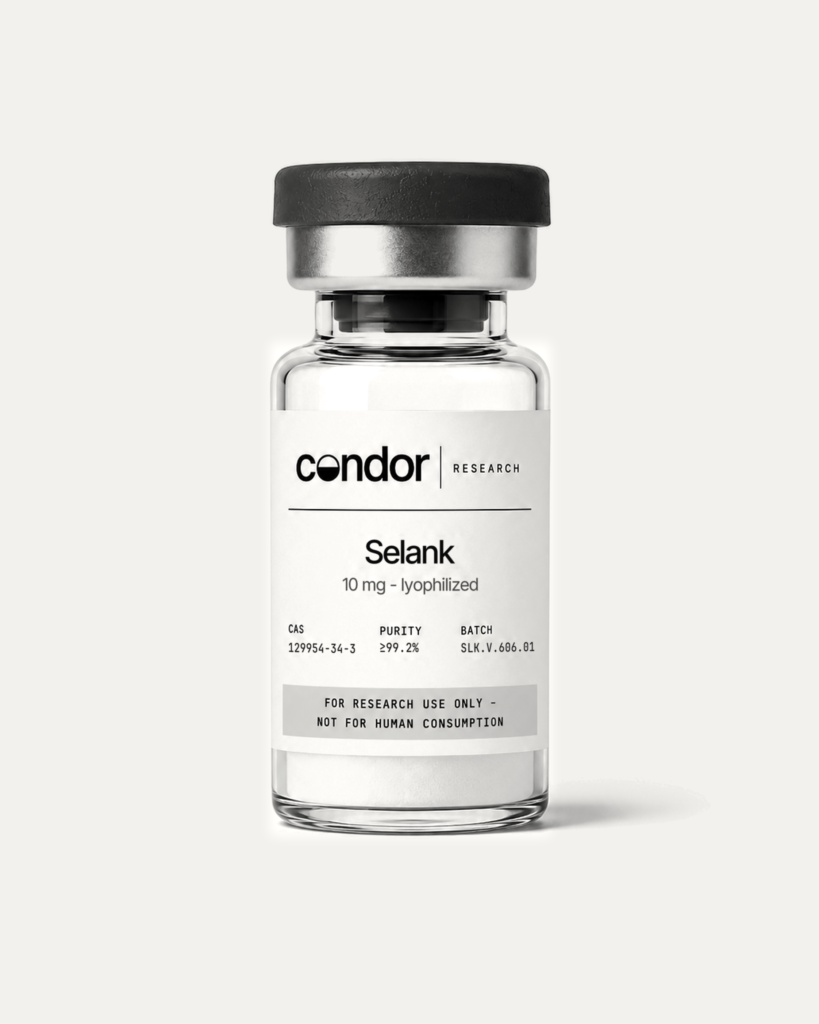
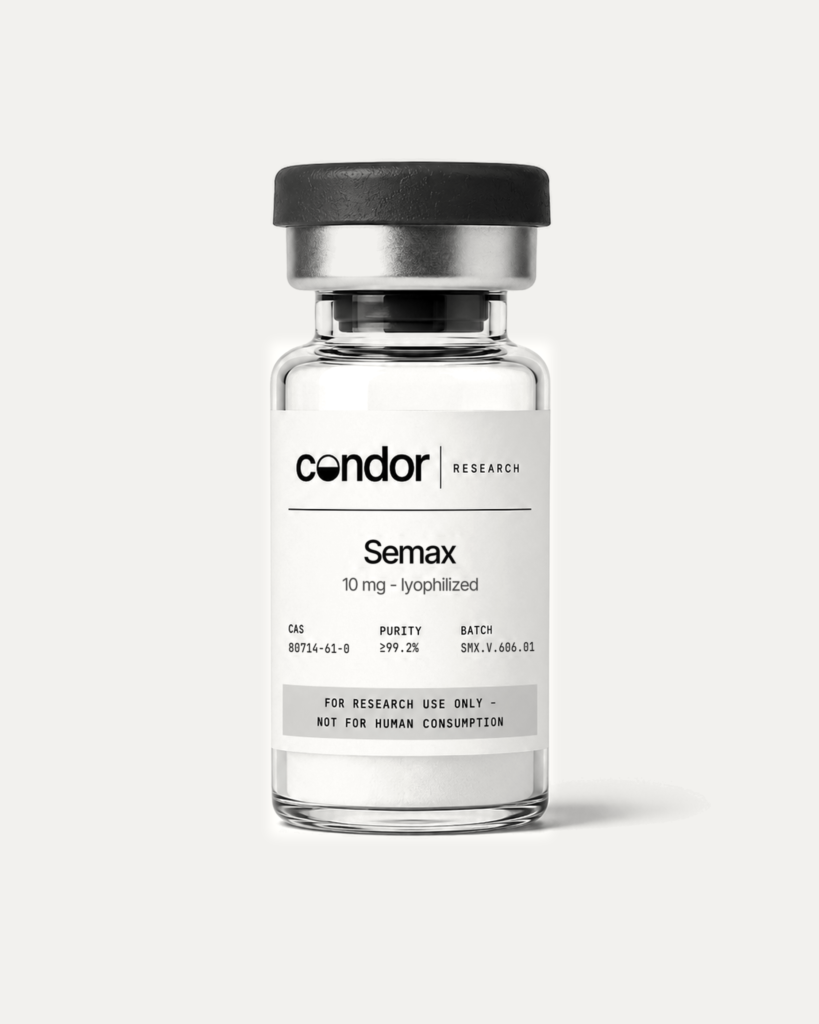
ACTH-fragment peptides (Semax, Selank): studied for BDNF/NGF signalling and neuropeptide modulation; often compared together as heptapeptide/pentapeptide analogues.
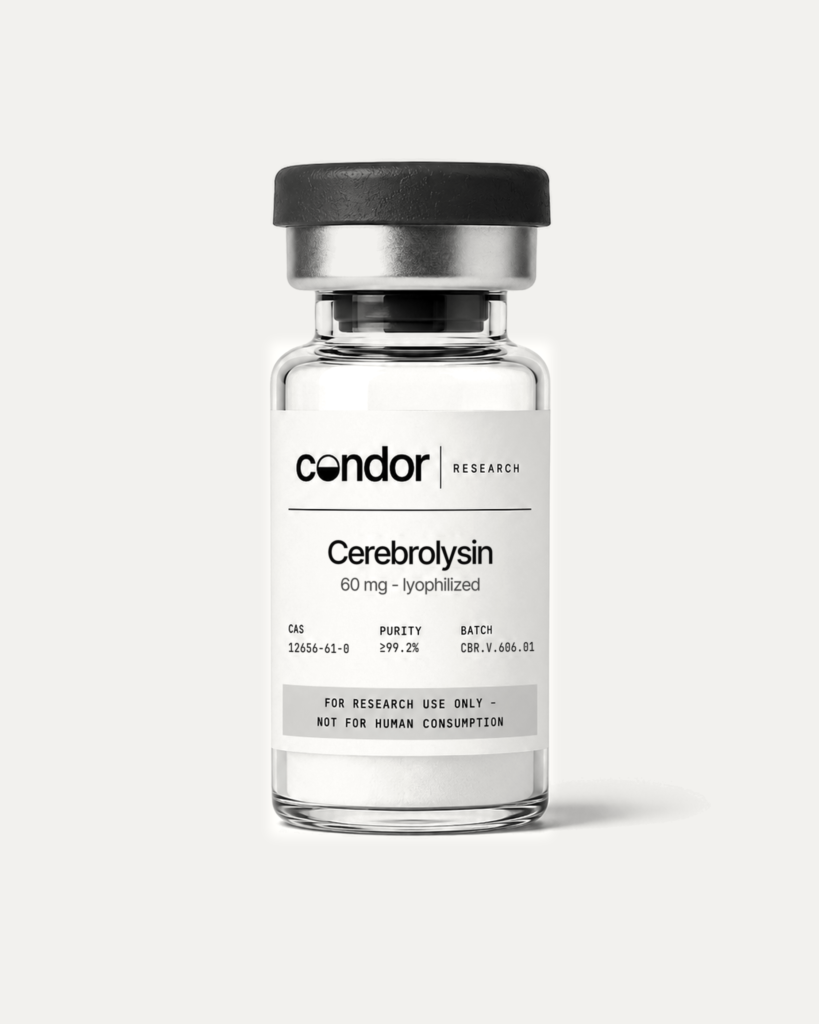
Multi-peptide neurotrophic preparations (Cerebrolysin): investigated as a mixture of low-molecular-weight peptides derived from porcine brain protein for neurotrophic-pathway research.
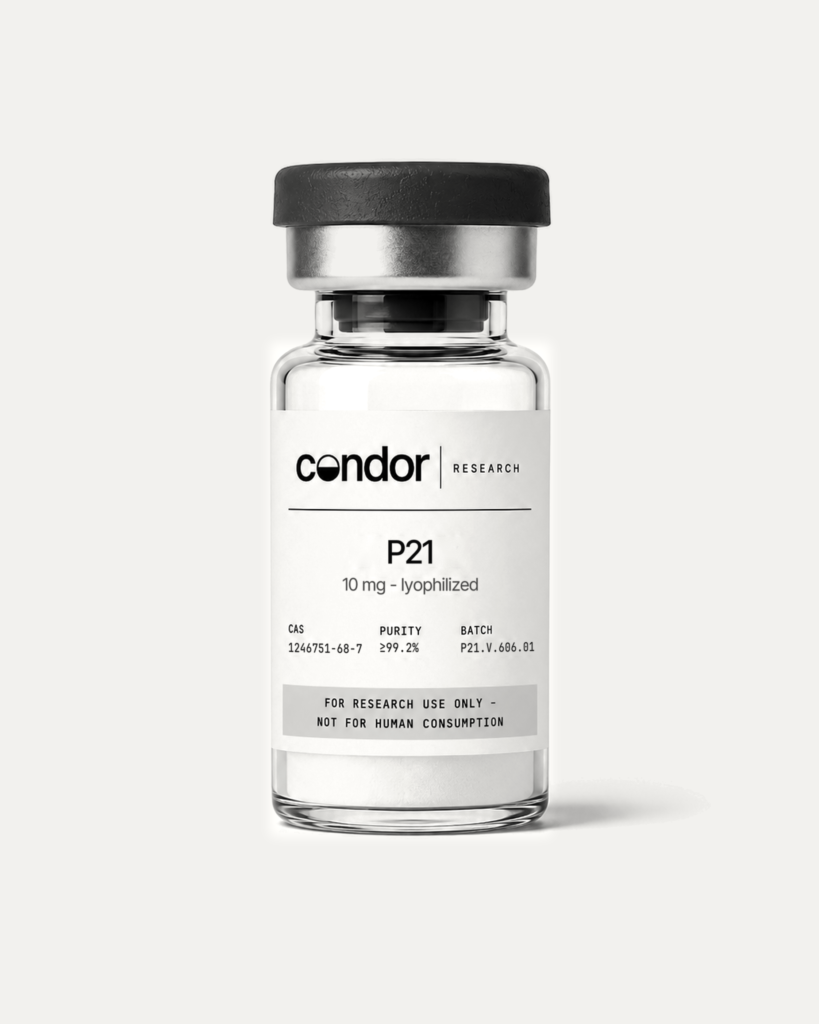
Neurotrophic signalling peptides (P21 / P021): studied for BDNF-mimetic activity at the TrkB receptor.
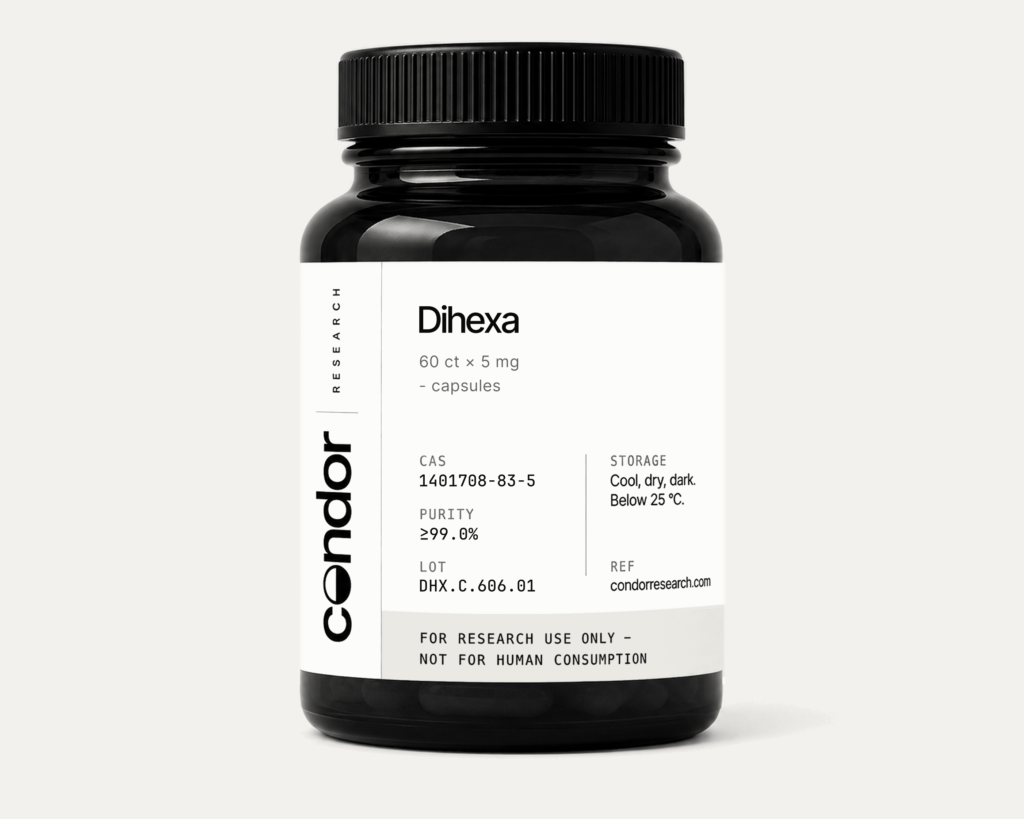
Peptidomimetics (Dihexa): investigated as a small-molecule HGF/c-Met pathway modulator designed to cross the blood-brain barrier.
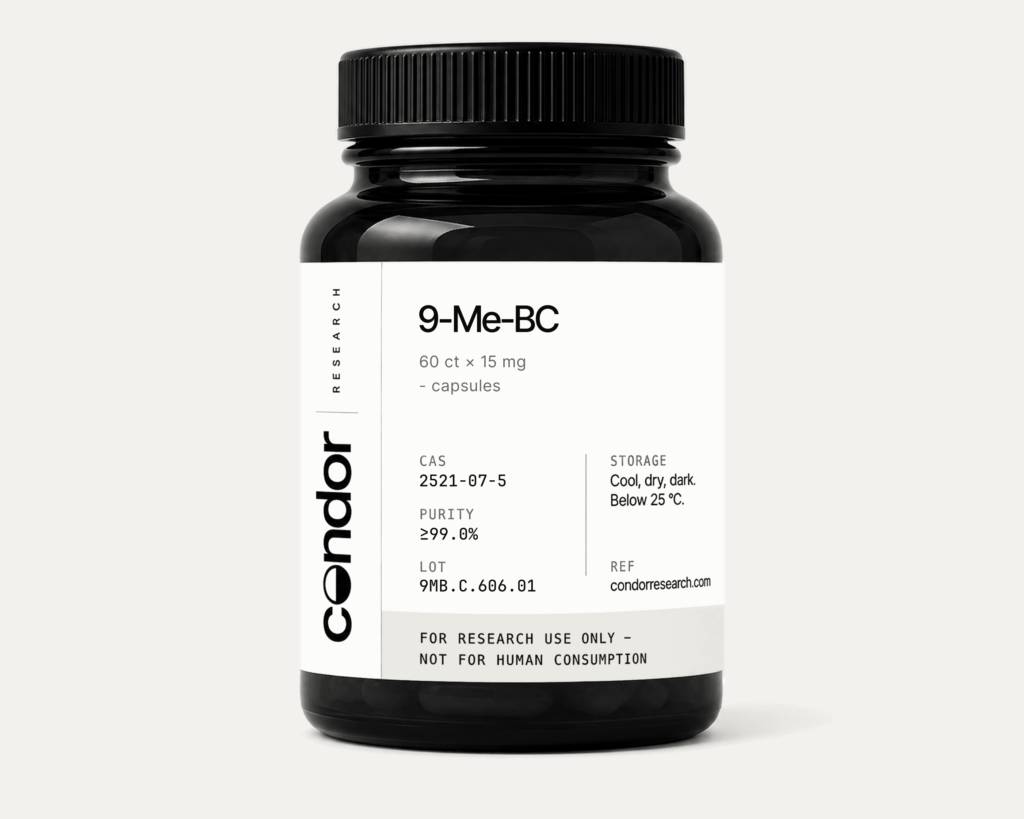
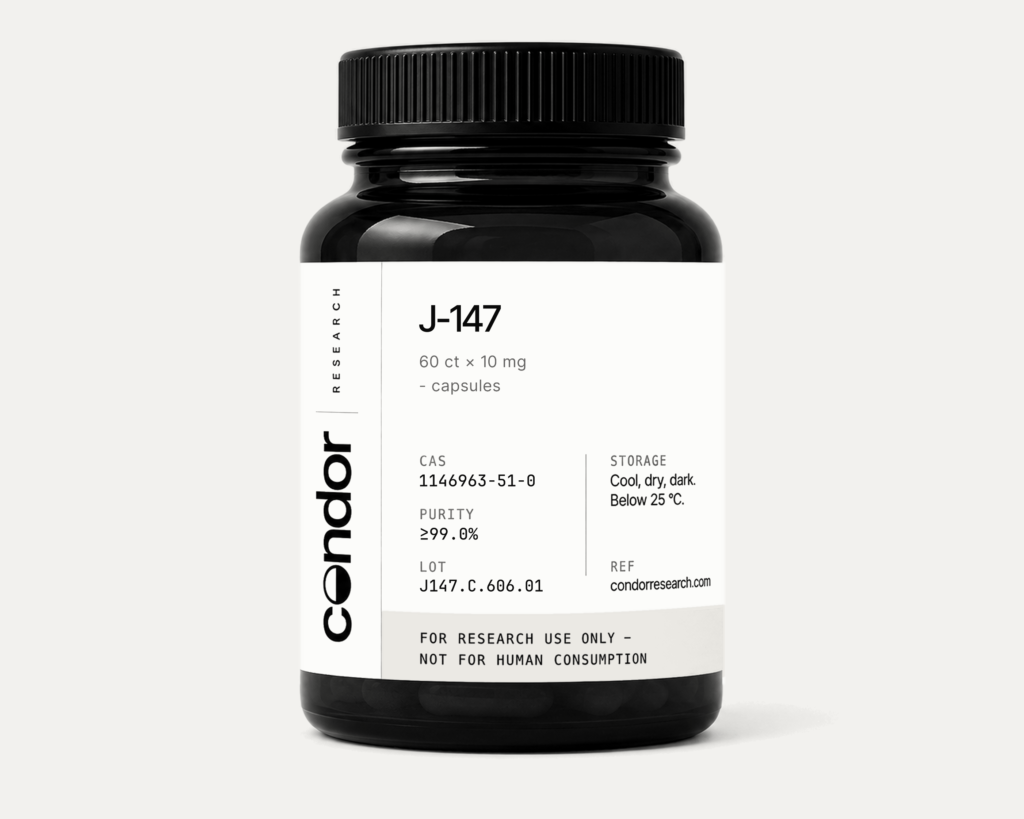
Small-molecule neuroprotective compounds (J-147, 9-Me-BC): studied for mitochondrial and neurotrophic signalling outside the peptide class.
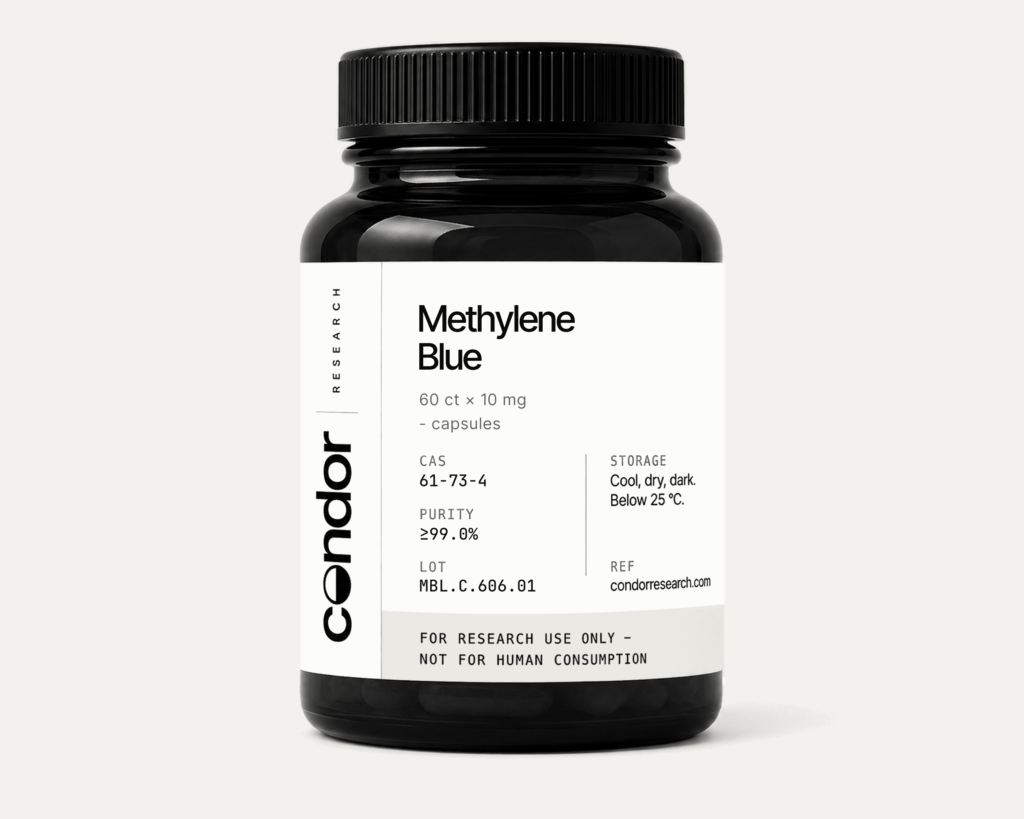
Redox-active small molecules (Methylene Blue): investigated for mitochondrial electron-transport-chain interaction and cellular oxidative-stress models.
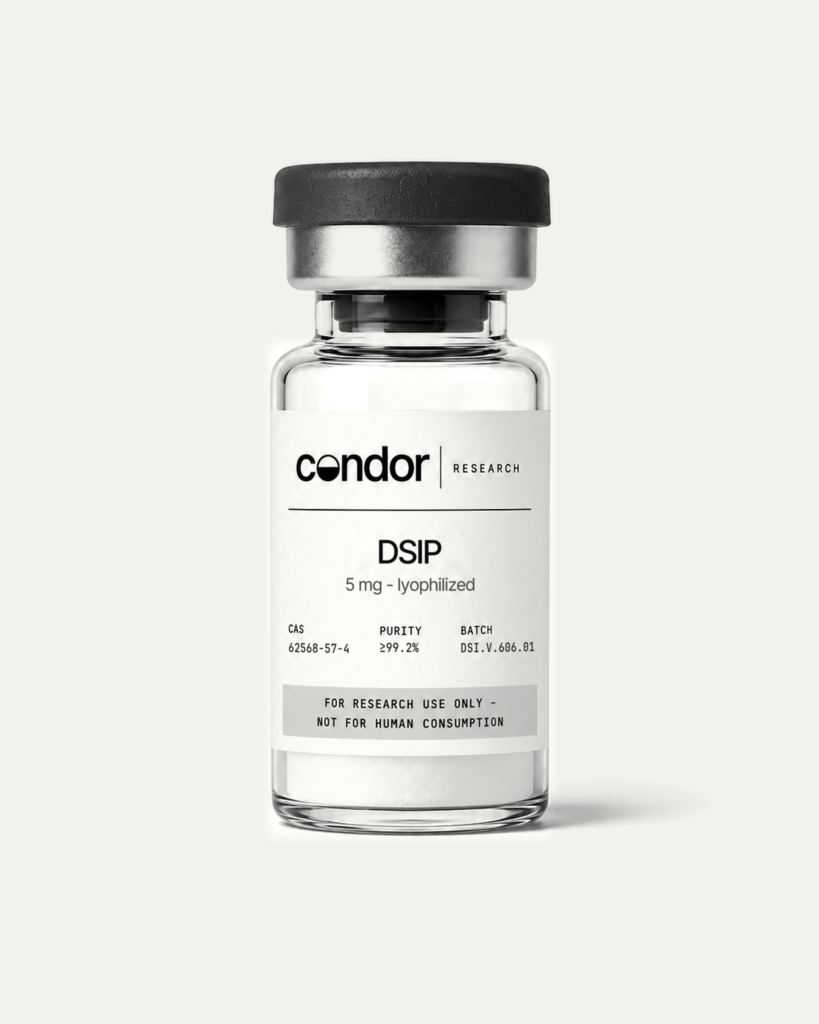
Sleep-regulatory peptides (DSIP): studied for delta-wave sleep induction and neuroendocrine modulation.
Comparison
CompoundClassPathway / targetResearch focusFormat
SemaxACTH-fragment peptideBDNF / NGF signallingNeurotrophic & cognitive researchVial
SelankAnxiolytic peptide (Tuftsin analogue)GABA-BDNF interplayNeuropeptide / anxiolytic-model researchVial
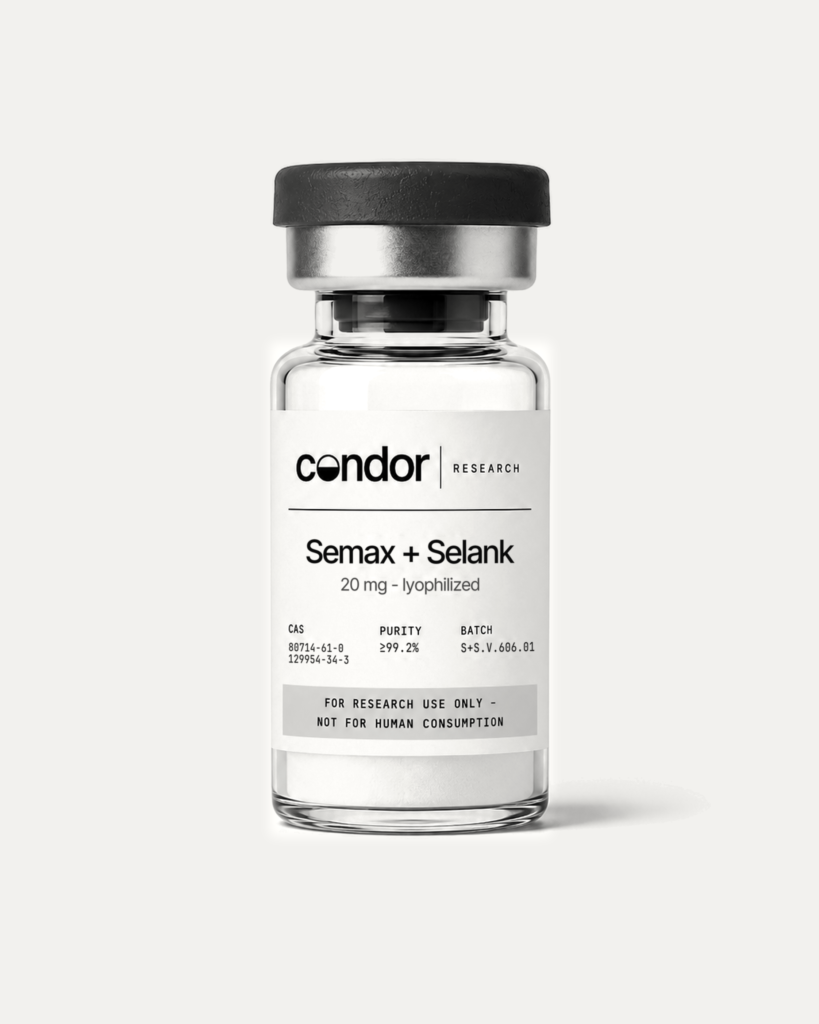
Semax + SelankPeptide blendCombined BDNF/NGF & GABA pathwaysComparative neuropeptide researchVial
CerebrolysinMulti-peptide preparationNeurotrophic factor signallingNeurotrophic-pathway researchVial
P21 (P021)Neurotrophic peptideTrkB receptorBDNF-mimetic signalling researchVial
DihexaPeptidomimetic (small molecule)HGF / c-Met pathwaySynaptogenesis researchCapsules
J-147Small moleculeMitochondrial / neurotrophic signallingNeuroprotective-model researchCapsules
9-Me-BCSmall molecule (beta-carboline)GDNF / dopaminergic pathwayNeurotrophic-model researchCapsules
Methylene BlueSmall molecule (phenothiazine)Mitochondrial electron transport chainOxidative-stress & metabolism researchCapsules
DSIPSleep-regulatory peptideDelta-wave / neuroendocrine axisSleep-signalling researchVial
| Compound | Class | Pathway / target | Research focus | Format |
|---|---|---|---|---|
| Semax | ACTH-fragment peptide | BDNF / NGF signalling | Neurotrophic & cognitive research | Vial |
| Selank | Anxiolytic peptide (Tuftsin analogue) | GABA-BDNF interplay | Neuropeptide / anxiolytic-model research | Vial |
| Semax + Selank | Peptide blend | Combined BDNF/NGF & GABA pathways | Comparative neuropeptide research | Vial |
| Cerebrolysin | Multi-peptide preparation | Neurotrophic factor signalling | Neurotrophic-pathway research | Vial |
| P21 (P021) | Neurotrophic peptide | TrkB receptor | BDNF-mimetic signalling research | Vial |
| Dihexa | Peptidomimetic (small molecule) | HGF / c-Met pathway | Synaptogenesis research | Capsule |
| J-147 | Small molecule | Mitochondrial / neurotrophic signalling | Neuroprotective-model research | Capsule |
| 9-Me-BC | Small molecule (beta-carboline) | GDNF / dopaminergic pathway | Neurotrophic-model research | Capsule |
| Methylene Blue | Small molecule (phenothiazine) | Mitochondrial electron transport chain | Oxidative-stress & metabolism research | Capsule |
| DSIP | Sleep-regulatory peptide | Delta-wave / neuroendocrine axis | Sleep-signalling research | Vial |
Every compound in this category is supplied as Research Use Only material with:
Peer-reviewed literature underpinning this category. Full per-compound evidence lists are maintained in the linked research articles below.
Cookie
Utilizziamo cookie strettamente necessari per il funzionamento del negozio. Con il vostro consenso utilizziamo anche cookie analitici (attribuzione degli ordini) e di marketing (Omnisend). Leggete la nostra Politica sui cookie.