No compounds match this filter.
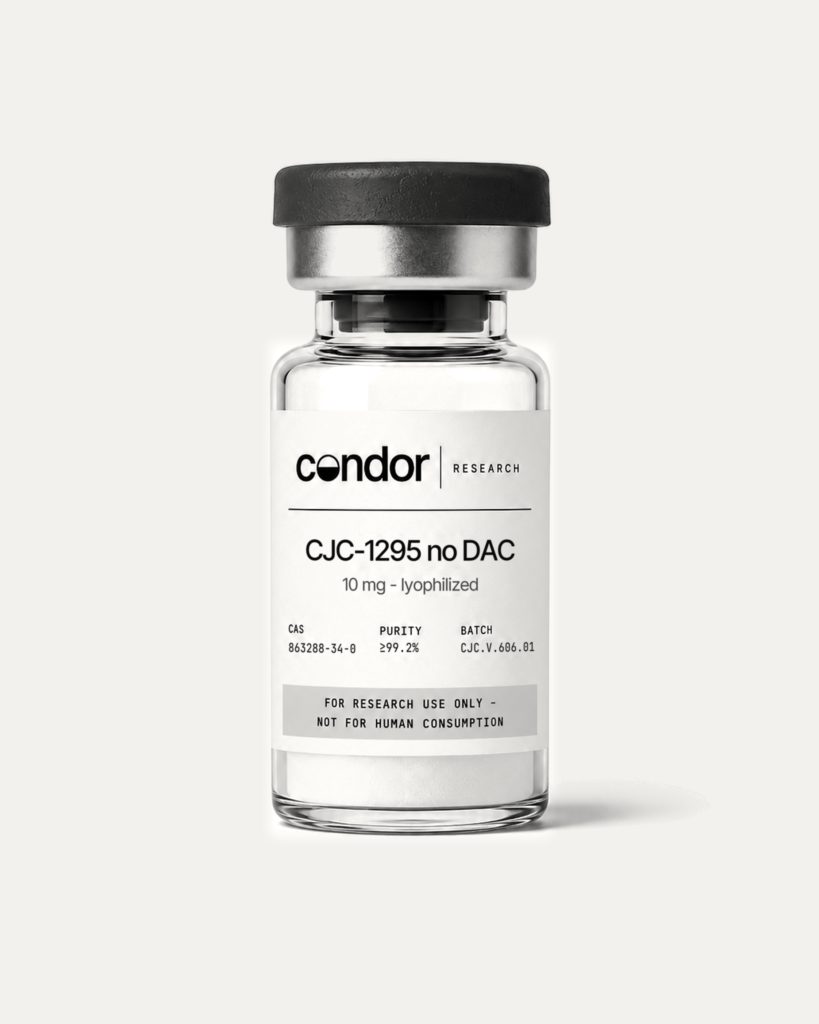
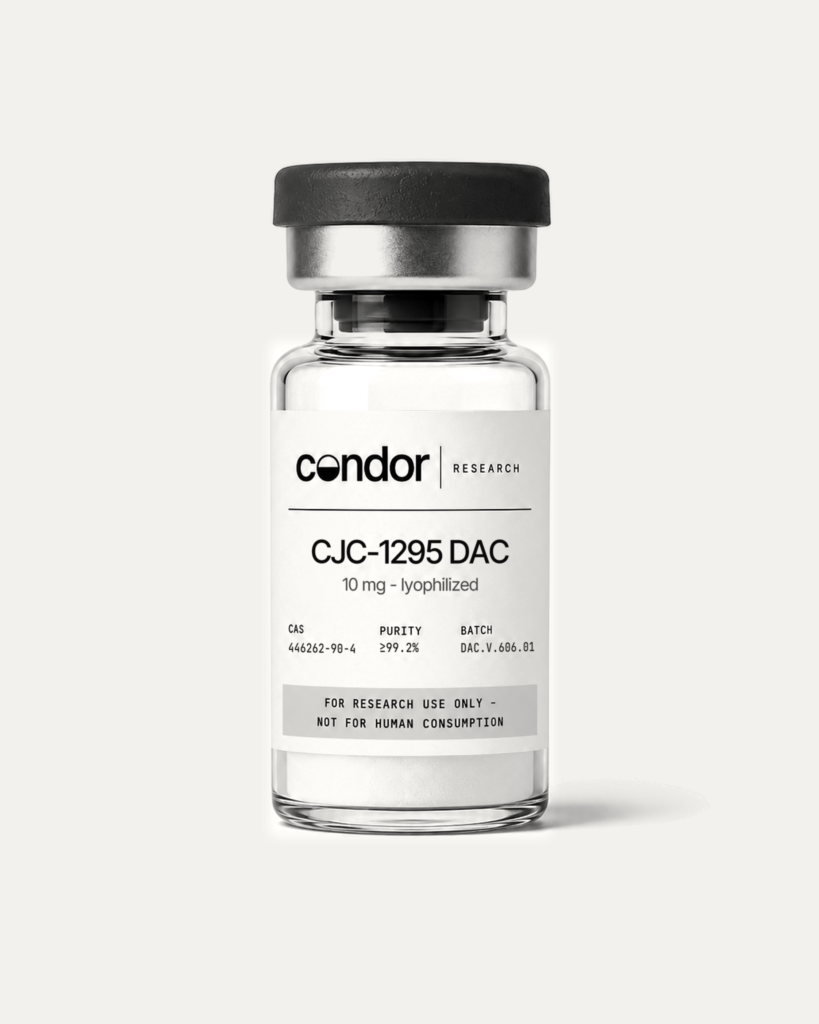
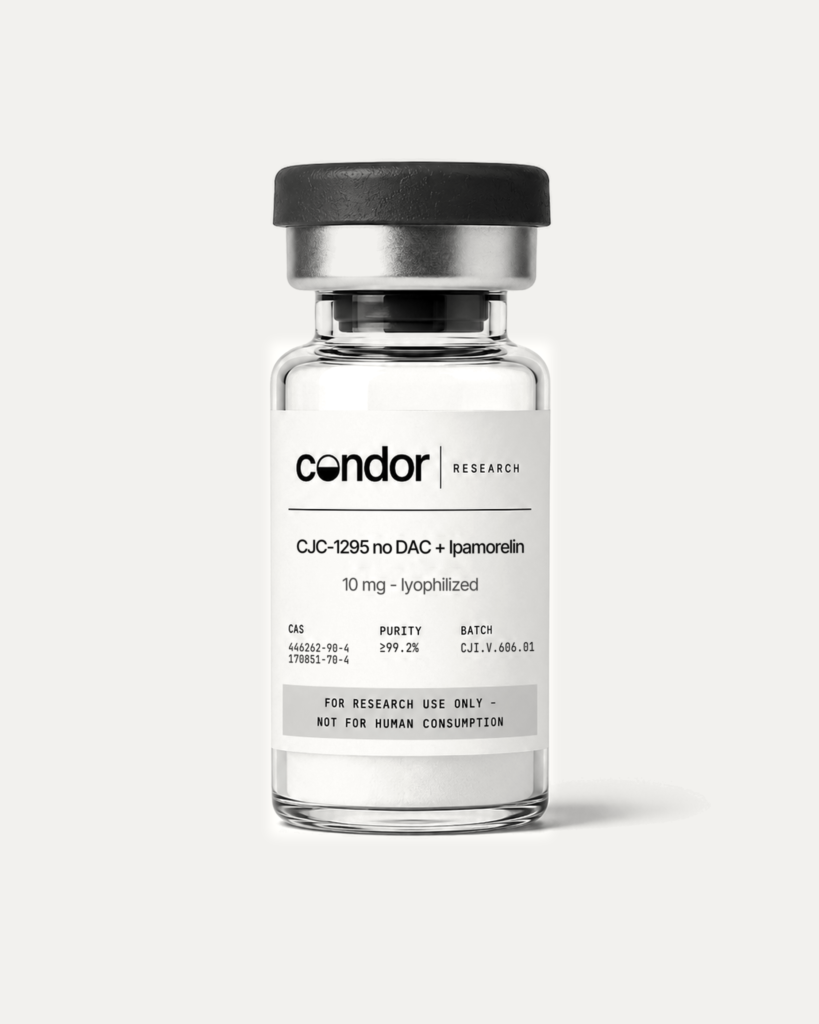
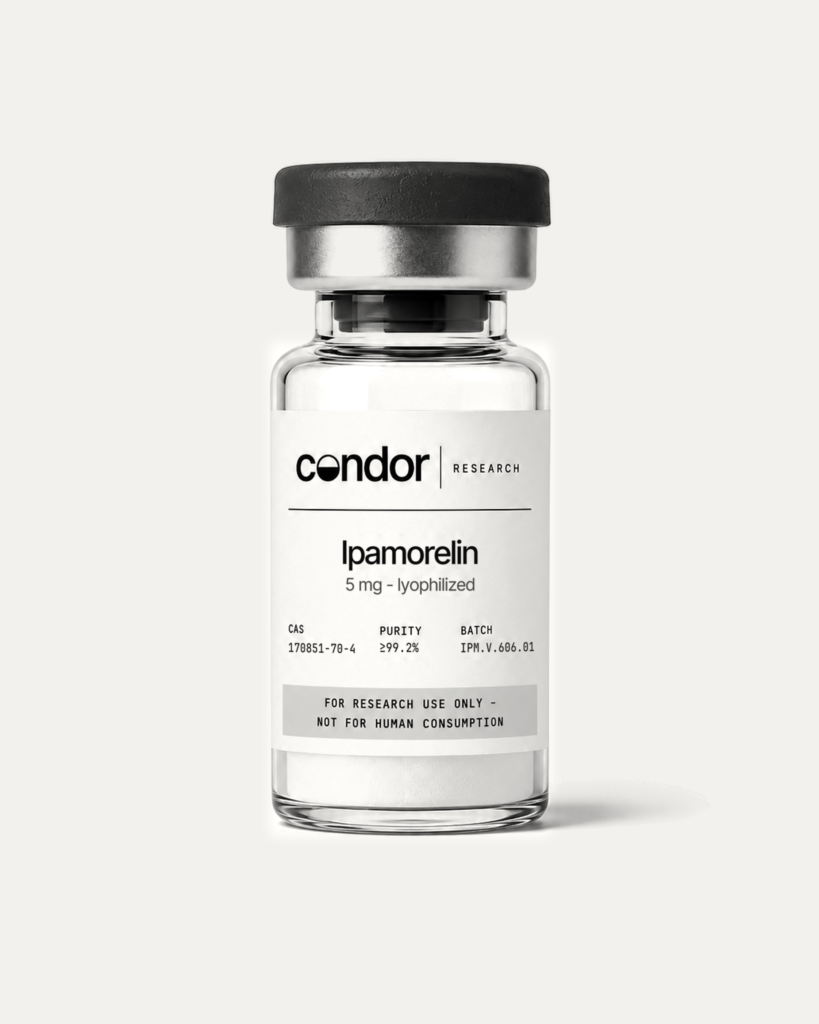
I secretagoghi dell’ormone della crescita (GHS) sono una classe di composti di ricerca studiati per la loro capacità di coinvolgere l’asse somatotropo in vitro e in modelli preclinici. La categoria raggruppa due famiglie farmacologiche principali studiate in parallelo: peptidi rilascianti l’ormone della crescita (GHRP) e agonisti ghrelin-mimetici che agiscono sul recettore dei secretagoghi dell’ormone della crescita (GHSR-1a), insieme ad analoghi del GHRH che modulano la stessa cascata di segnalazione attraverso un recettore complementare. Il loro interesse di ricerca condiviso risiede nel modo in cui ciascuno scaffold influenza i pattern di rilascio pulsatile dell’ormone della crescita a livello dei modelli cellulari dei somatotropi ipofisari.Condor Research fornisce questi materiali di riferimento esclusivamente per uso di laboratorio, ogni lotto caratterizzato a una purezza ≥99% mediante HPLC e accompagnato da un Certificato di Analisi (COA) specifico per lotto. Approvvigionati e spediti all’interno dell’UE, il catalogo è destinato a supportare un lavoro di banco riproducibile sulla farmacologia recettoriale, la stabilità peptidica e lo sviluppo di saggi.La categoria include Ipamorelin, un pentapeptide selettivo attivo sul GHSR-1a ampiamente utilizzato come standard di ricerca, e la combinazione a doppio meccanismo CJC-1295 no DAC + Ipamorelin, che abbina un analogo del GHRH a un GHRP per studi recettoriali comparativi. Tutti i prodotti sono venduti esclusivamente per Uso di Ricerca (RUO) e indagine in vitro; non sono destinati al consumo umano o animale, né ad applicazioni diagnostiche o terapeutiche.
| Compound | Class | Pathway / target | Research focus | Format |
|---|---|---|---|---|
| CJC-1295 DAC | GHRH analogue | GHRH receptor | Sustained GH pulse research | Vial |
| CJC-1295 (no DAC) | GHRH analogue | GHRH receptor | Short-acting GH pulse research | Vial |
| Ipamorelin | GH secretagogue | GHS-R (ghrelin receptor) | Selective GH pulse research | Vial |
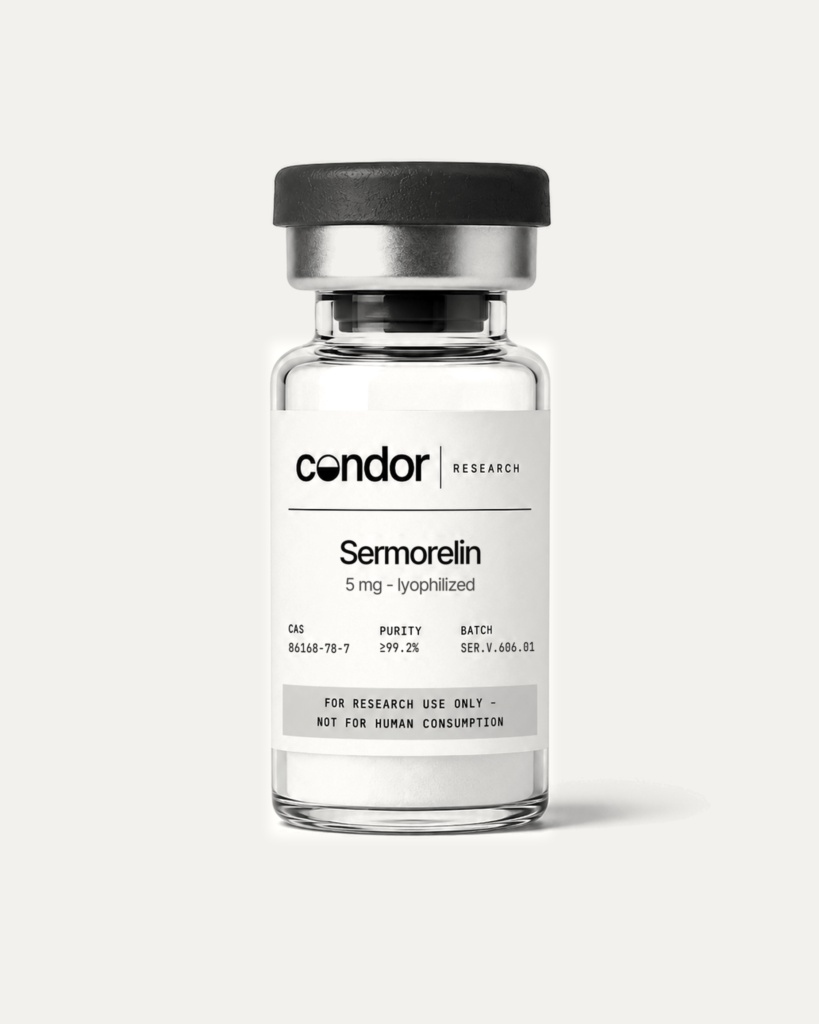
| Sermorelin | GHRH analogue | GHRH receptor | GH-axis research | Vial |
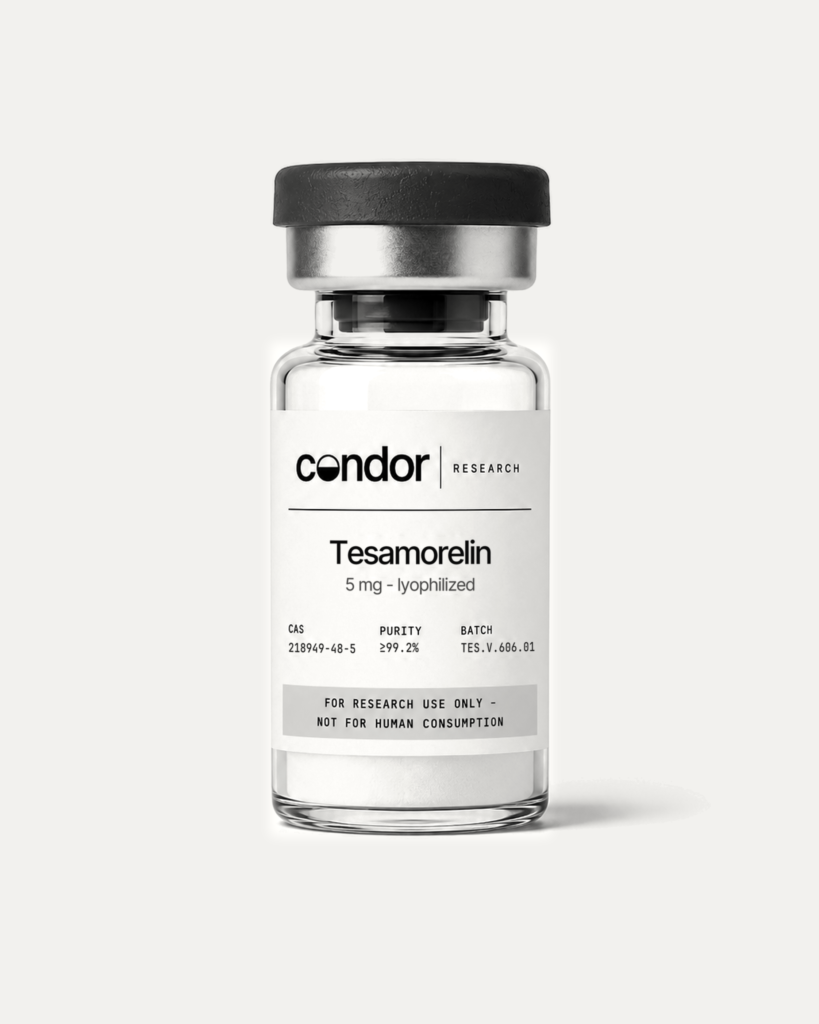
| Tesamorelin | GHRH analogue | GHRH receptor | Visceral-fat / IGF-1 axis research | Vial |
| CJC-1295 no DAC + Ipamorelin | GHRH analogue + GH secretagogue blend | GHRH receptor / GHS-R | Combined GH pulse research | Vial |
Every compound in this category is supplied as Research Use Only material with:
Peer-reviewed literature underpinning this category. Full per-compound evidence lists are maintained in the linked research articles below.
Cookie
Utilizziamo cookie strettamente necessari per il funzionamento del negozio. Con il vostro consenso utilizziamo anche cookie analitici (attribuzione degli ordini) e di marketing (Omnisend). Leggete la nostra Politica sui cookie.