No compounds match this filter.
Metabolic research compounds are reference materials studied in preclinical models of energy metabolism — NNMT inhibition, ERR agonism, AMPK activation and related signalling used in exercise-mimetic research. This category groups the small molecules and peptide fragments most investigated across those pathways so researchers can compare mechanism, format and documentation in one place. Every item is supplied strictly as Research Use Only (RUO) material with a batch Certificate of Analysis; nothing here is intended for human or veterinary use.
Mechanisms investigated
Metabolic-pathway research converges on a small set of enzymatic and receptor targets, and these compounds map onto different ones — they are not interchangeable:
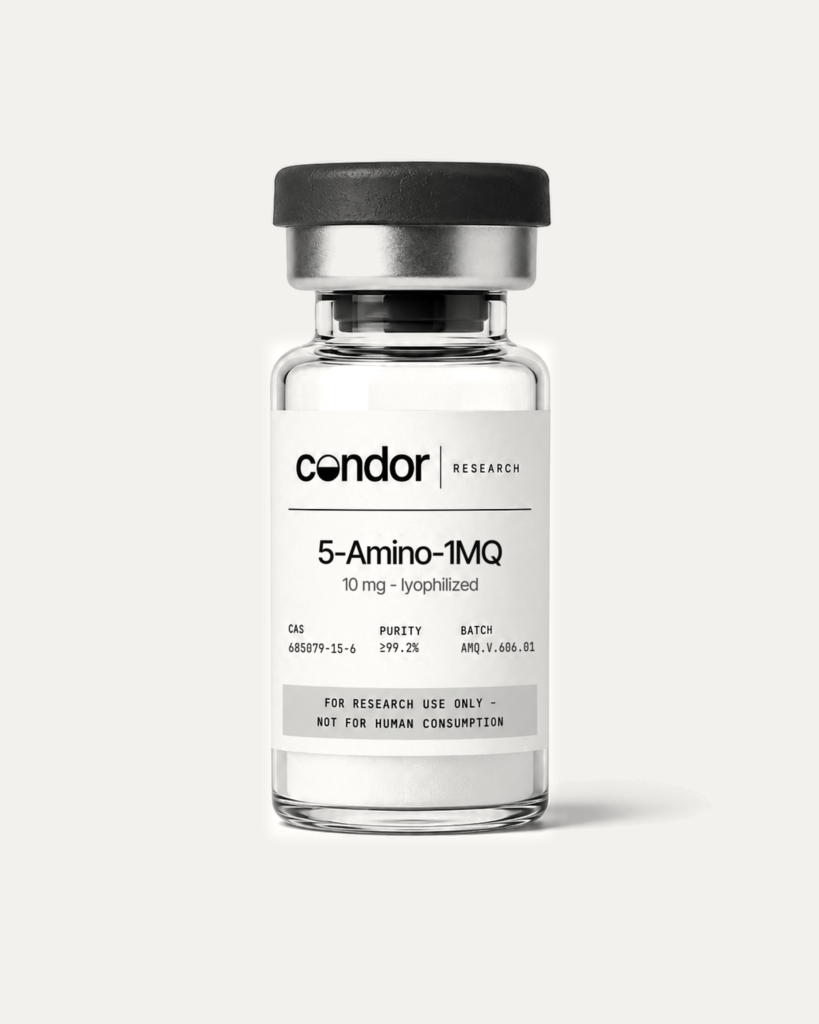
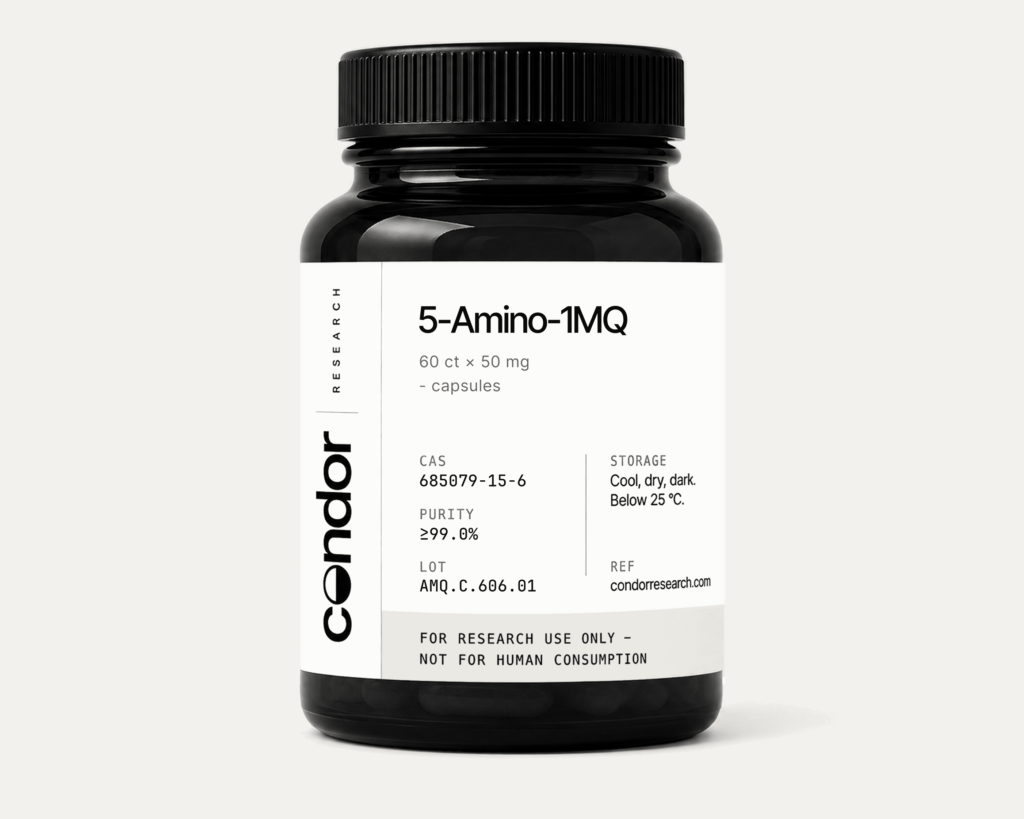
NNMT inhibition (5-Amino-1MQ): studied as a small-molecule inhibitor of nicotinamide N-methyltransferase, an enzyme implicated in cellular NAD⁺/SAM metabolism.
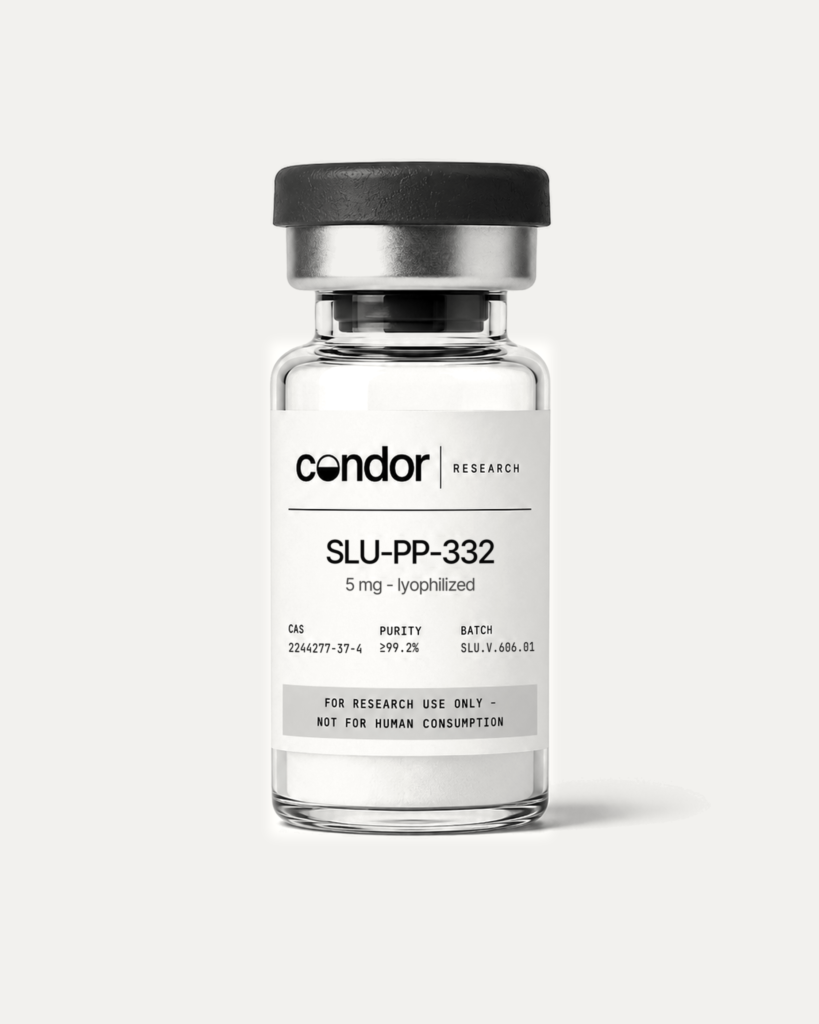
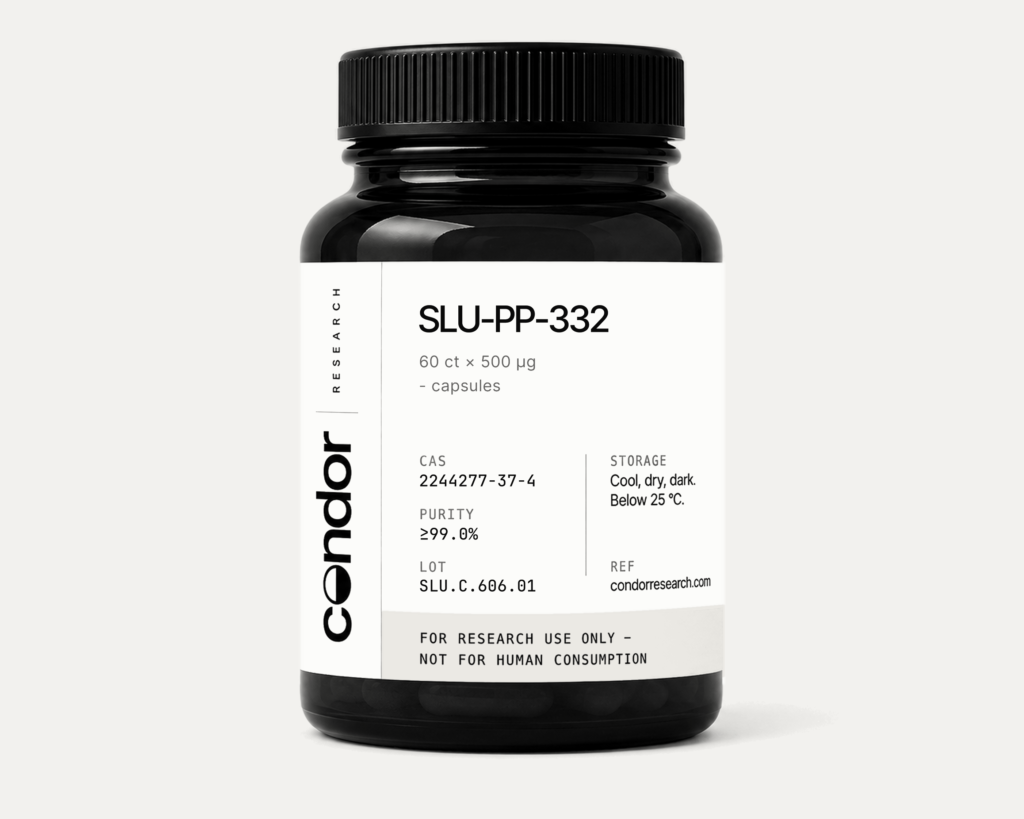
ERR agonism (SLU-PP-332): investigated as a synthetic pan-ERR (estrogen-related receptor) agonist studied for its effects on mitochondrial gene expression and oxidative metabolism, a mechanism central to exercise-mimetic research.
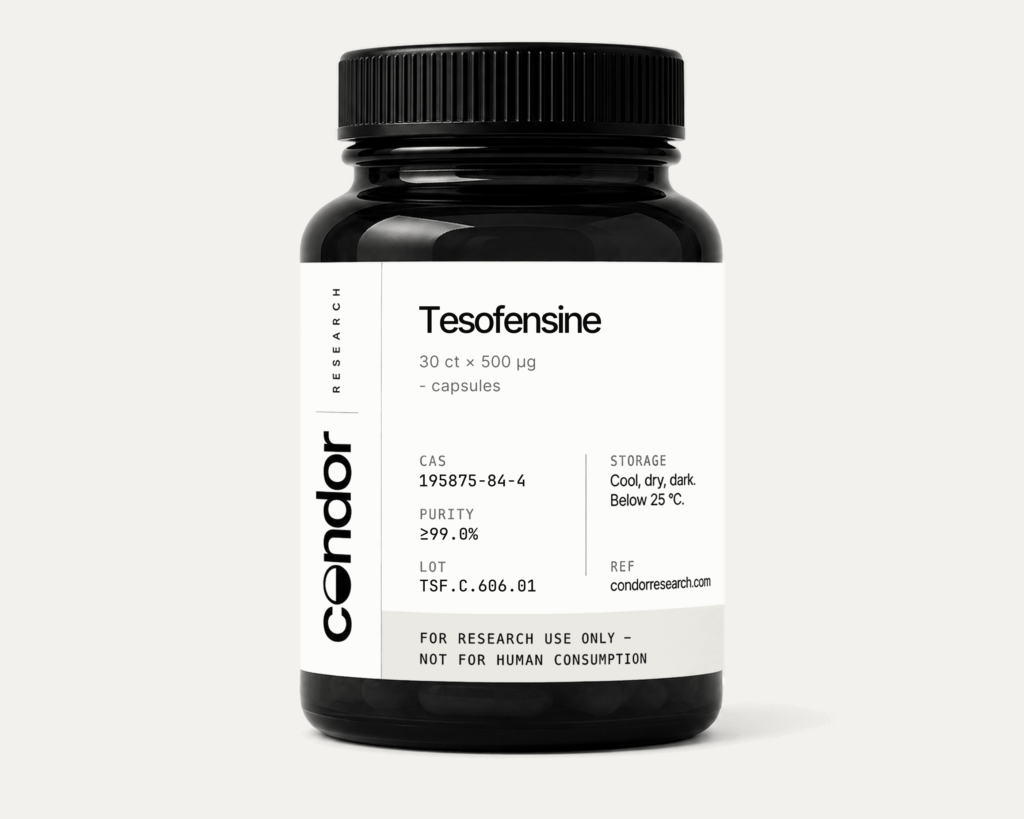
Monoamine reuptake modulation (Tesofensine): a small molecule originally studied in central-nervous-system research, of interest for its monoaminergic mechanism.
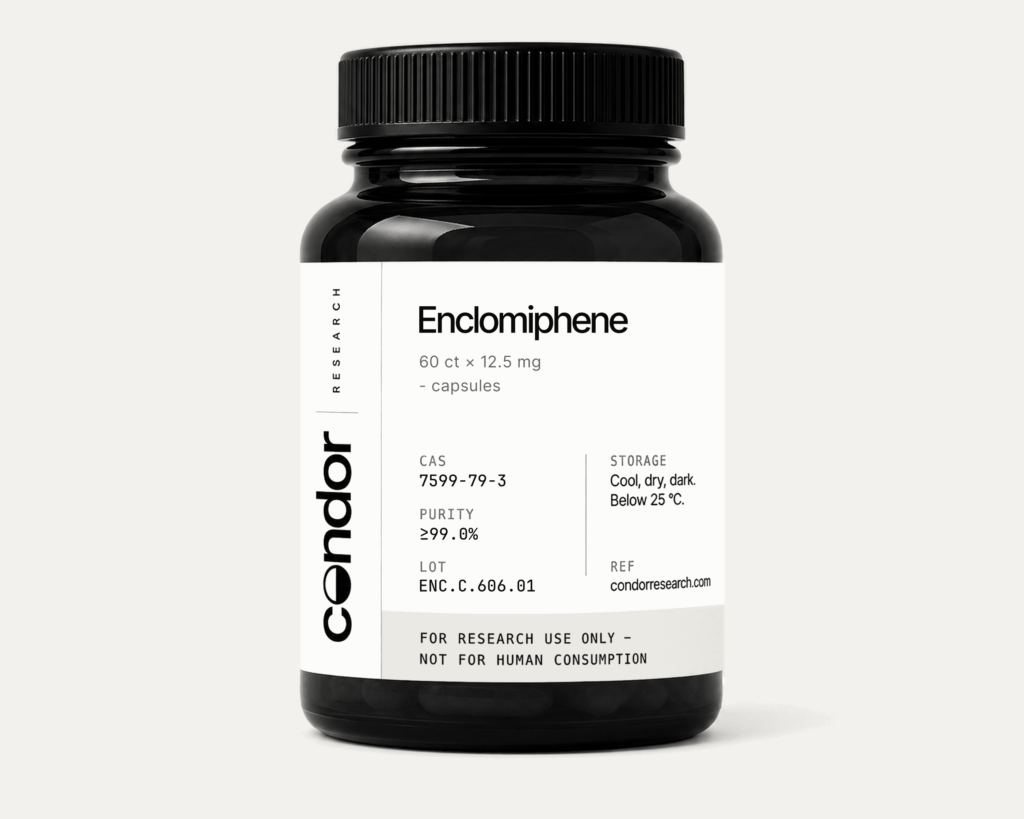
Selective estrogen receptor modulation (Enclomiphene): studied for its action at the hypothalamic-pituitary-gonadal axis.
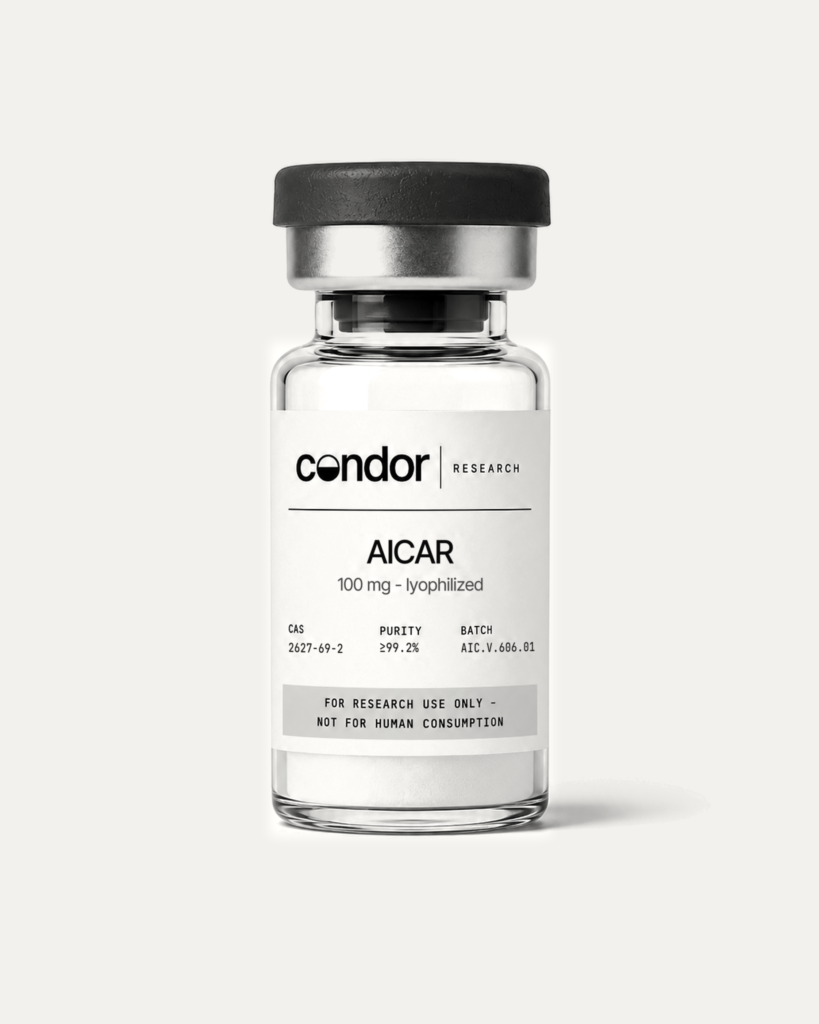
AMPK activation (AICAR): a well-characterised AMP-activated protein kinase agonist used extensively in cellular energy-sensing research.
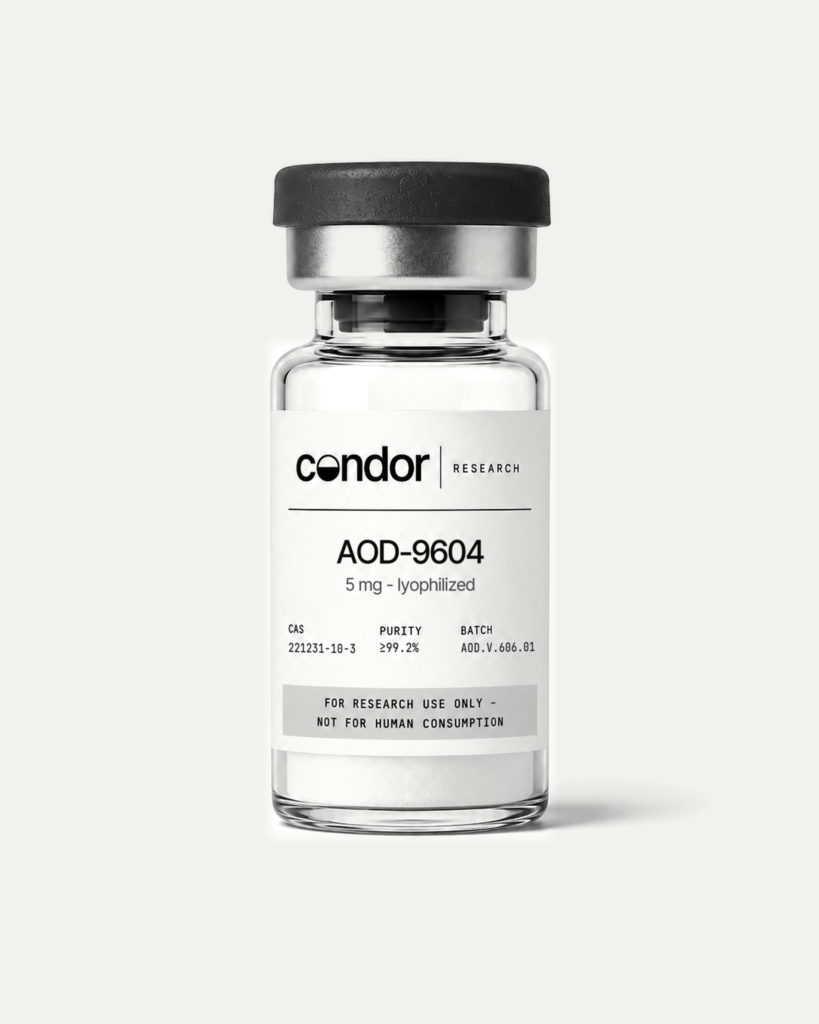
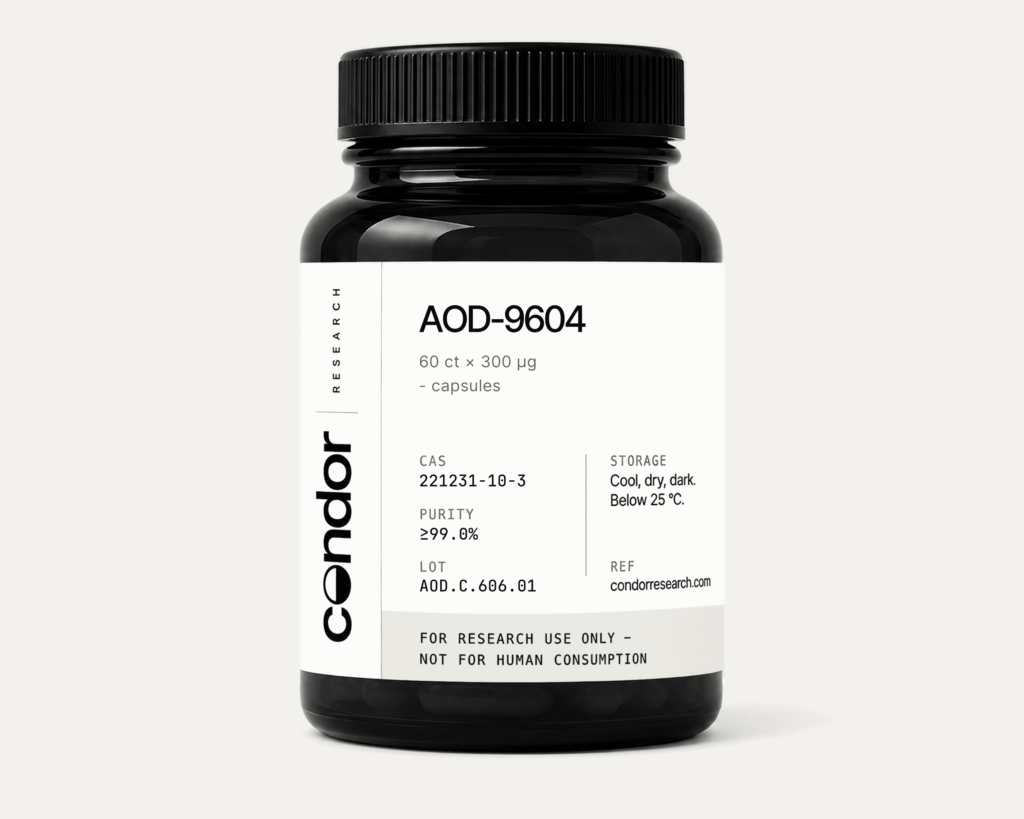
Lipolytic-fragment signalling (AOD-9604): a modified fragment of human growth hormone (hGH 176-191) studied in isolated metabolic-signalling models.
Comparison
CompoundClassPathway / targetResearch focusFormat
5-Amino-1MQSmall moleculeNNMT inhibitionNAD⁺ / SAM metabolismVial
5-Amino-1MQ CapsulesSmall moleculeNNMT inhibitionNAD⁺ / SAM metabolismCapsules
SLU-PP-332Small moleculePan-ERR agonismMitochondrial gene expressionVial
SLU-PP-332 CapsulesSmall moleculePan-ERR agonismMitochondrial gene expressionCapsules
Tesofensine CapsulesSmall moleculeMonoamine reuptakeCNS / monoaminergic signallingCapsules
Enclomiphene CapsulesSmall moleculeEstrogen receptor (SERM)HPG-axis signallingCapsules
AICARSmall moleculeAMPK activationCellular energy sensingVial
AOD-9604Peptide fragmenthGH fragment (176-191) signallingLipolytic-pathway signallingVial
AOD-9604 CapsulesPeptide fragmenthGH fragment (176-191) signallingLipolytic-pathway signallingCapsules
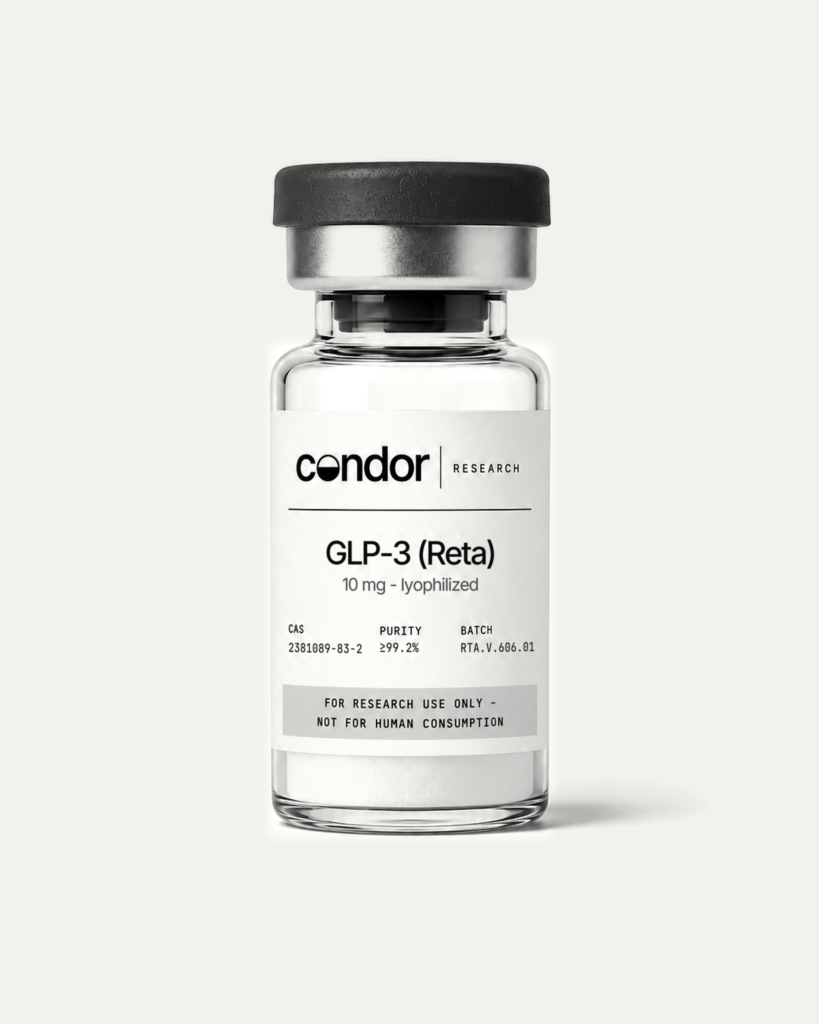
GLP-3 (Reta)PeptideIncretin receptorMetabolic signalling researchVial
| Compound | Class | Pathway / target | Research focus | Format |
|---|---|---|---|---|
| 5-Amino-1MQ | Small molecule | NNMT inhibition | NAD⁺ / SAM metabolism | Vial |
| Kapsułki 5-Amino-1MQ | Small molecule | NNMT inhibition | NAD⁺ / SAM metabolism | Kapsułki |
| SLU-PP-332 | Small molecule | Pan-ERR agonism | Mitochondrial gene expression | Vial |
| Kapsułki SLU-PP-332 | Small molecule | Pan-ERR agonism | Mitochondrial gene expression | Kapsułki |
| Kapsułki Tesofensine | Small molecule | Monoamine reuptake | CNS / monoaminergic signalling | Kapsułki |
| Kapsułki Enclomiphene | Small molecule | Estrogen receptor (SERM) | HPG-axis signalling | Kapsułki |
| AICAR | Small molecule | AMPK activation | Cellular energy sensing | Vial |
| AOD-9604 | Peptide fragment | hGH fragment (176-191) signalling | Lipolytic-pathway signalling | Vial |
| Kapsułki AOD-9604 | Peptide fragment | hGH fragment (176-191) signalling | Lipolytic-pathway signalling | Kapsułki |
| GLP-3 (Reta) | Peptyd | Incretin receptor | Metabolic signalling research | Vial |
Every compound in this category is supplied as Research Use Only material with:
Peer-reviewed literature and mechanism background underpinning this category are maintained in the linked research articles below; full per-compound evidence lists live on each article and product page.
Cookies
Wykorzystujemy pliki cookie niezbędne do działania sklepu. Za Twoją zgodą korzystamy również z plików cookie analitycznych (atrybucja zamówień) oraz marketingowych (Omnisend). Przeczytaj naszą Polityka plików cookie.