No compounds match this filter.
Skin & regenerative research compounds are reference materials studied in preclinical models of dermal remodelling, connective-tissue signalling and melanocortin-receptor biology. This category groups the copper peptides GHK-Cu and AHK-Cu — the primary focus here — alongside the melanocortin-system peptides Melanotan I, Melanotan II and PT-141, so researchers can compare mechanism, format and documentation in one place. Every item is supplied strictly as Research Use Only (RUO) material with a batch Certificate of Analysis; nothing here is intended for human or veterinary use.
Mechanisms investigated
The compounds in this category act through two distinct pathways and are not interchangeable:
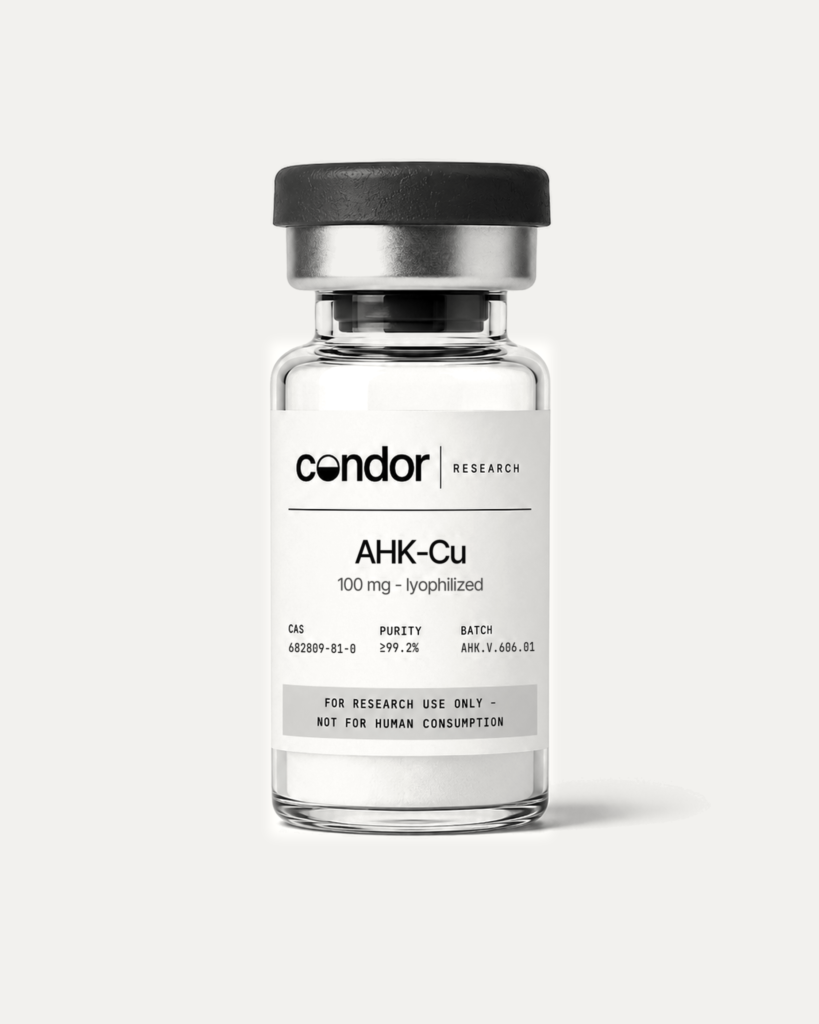
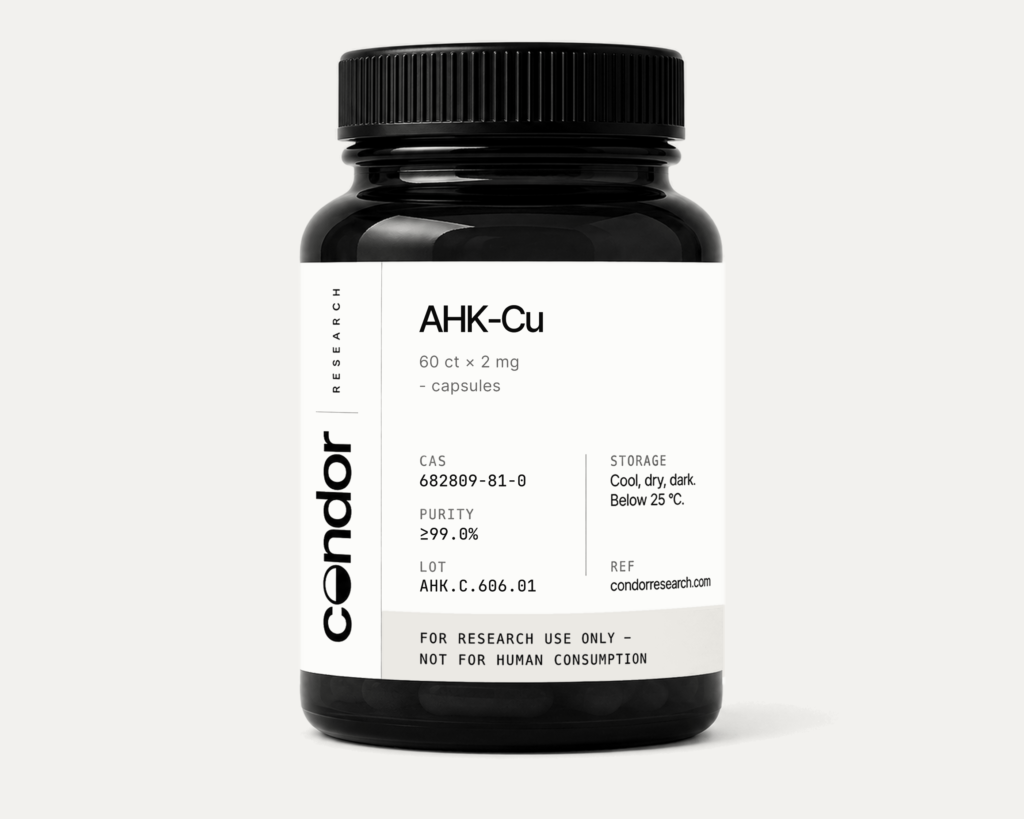
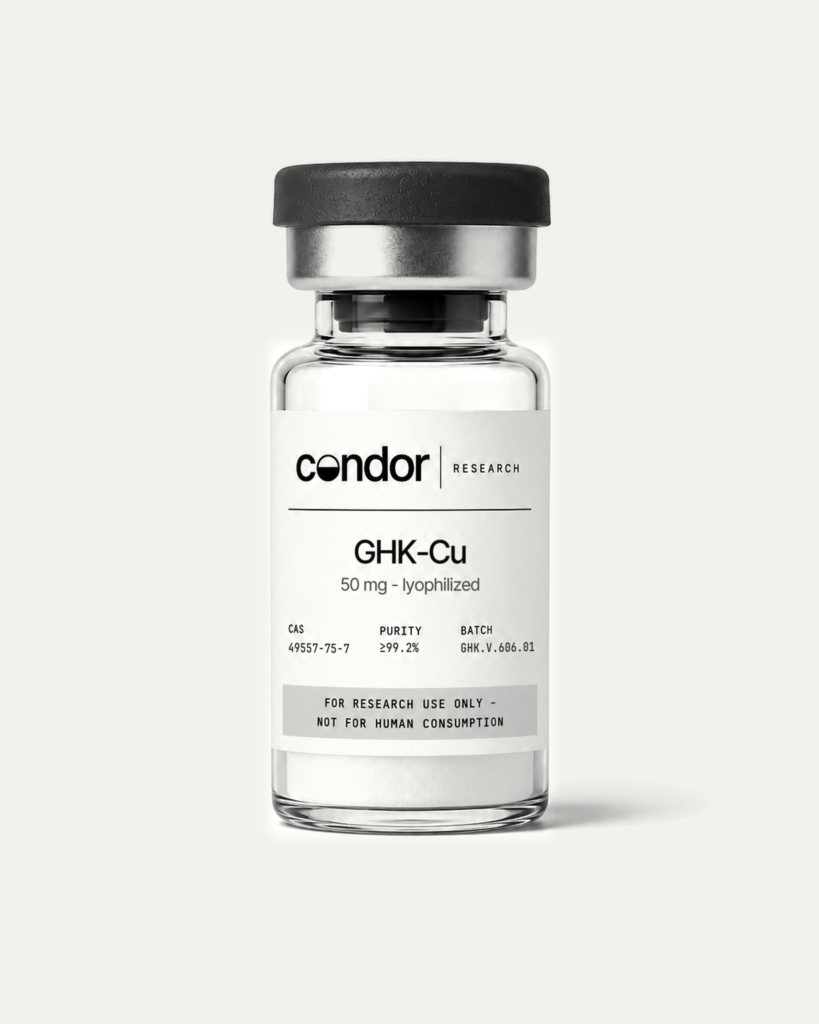
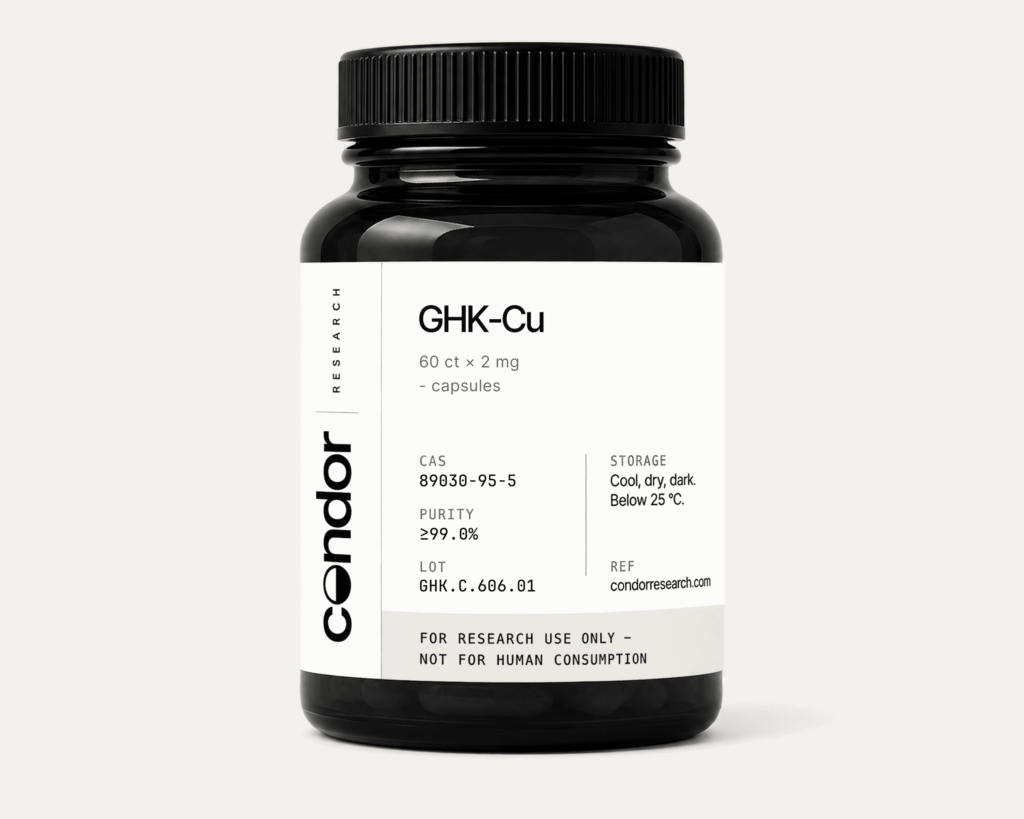
Copper peptides (GHK-Cu, AHK-Cu): naturally derived copper-binding tripeptides studied for dermal matrix remodelling, collagen and glycosaminoglycan signalling, and wound-model tissue response. AHK-Cu is a structural analogue of GHK-Cu investigated in parallel copper-transport and matrix-signalling models.
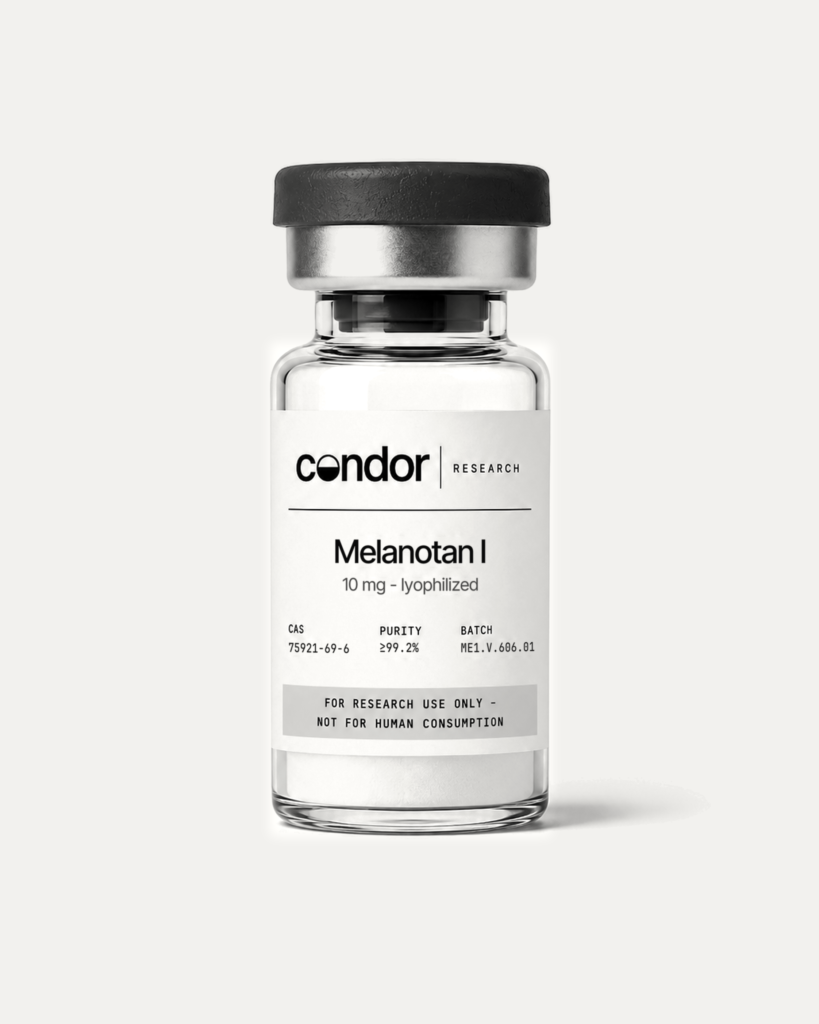
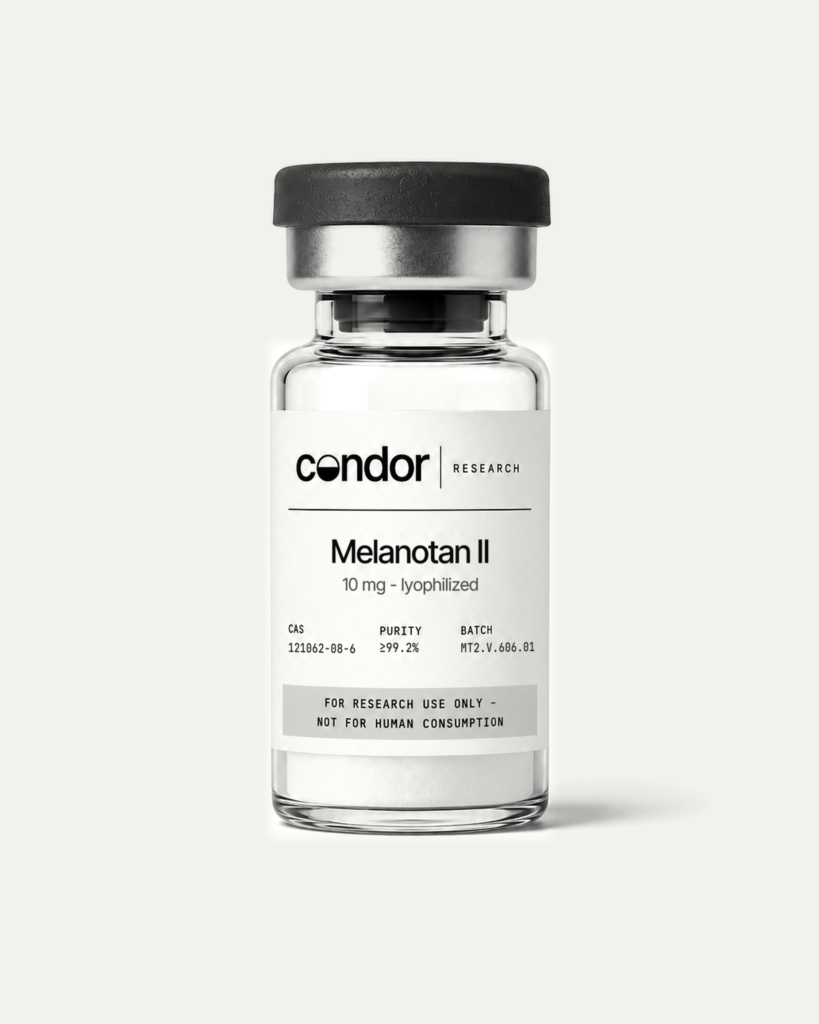
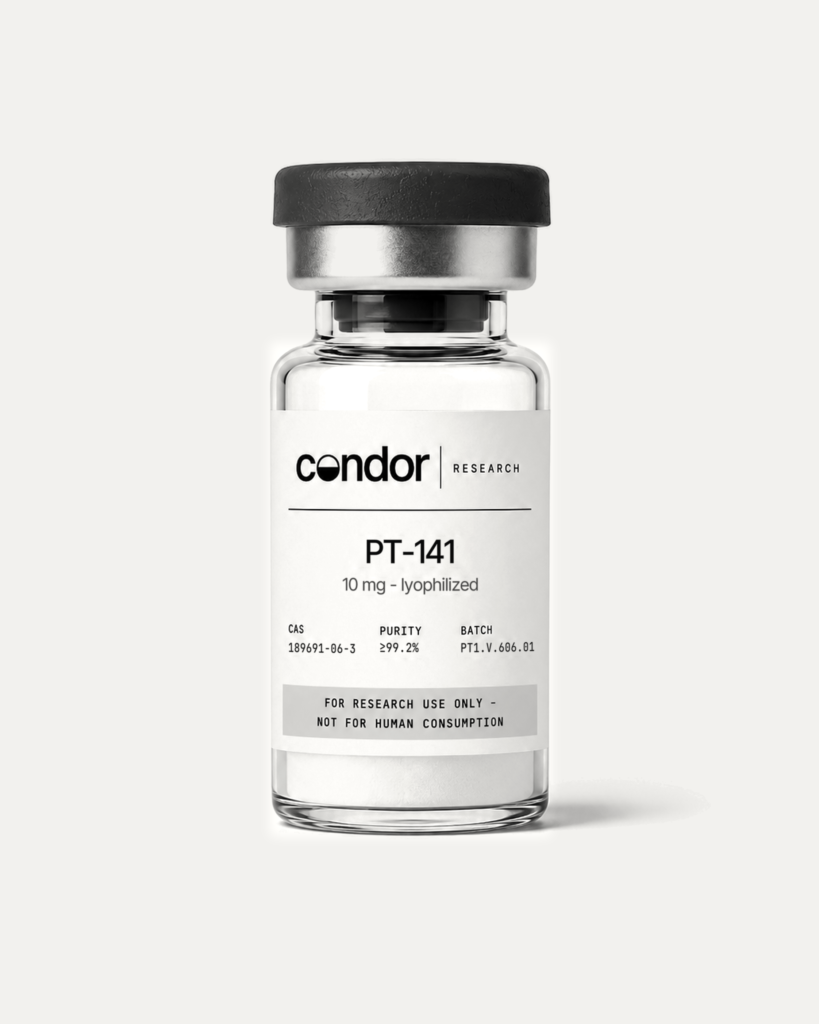
Melanocortin-receptor peptides (Melanotan I / Afamelanotide, Melanotan II, PT-141 / Bremelanotide): synthetic analogues of alpha-MSH studied for their activity at melanocortin receptors (MC1R, MC4R and related subtypes) in models of pigmentation biology and central melanocortin signalling. Research here concerns receptor pharmacology and signalling pathways, not cosmetic or behavioural outcomes.
Comparison
CompoundClassPathway / targetResearch focusFormat
GHK-CuCopper tripeptideCopper-binding / matrix signallingDermal & connective-tissue remodellingVial
GHK-Cu CapsulesCopper tripeptideCopper-binding / matrix signallingOral-route dermal researchCapsules
AHK-CuCopper tripeptide (GHK-Cu analogue)Copper-binding / matrix signallingComparative copper-peptide researchVial
AHK-Cu CapsulesCopper tripeptide (GHK-Cu analogue)Copper-binding / matrix signallingOral-route comparative researchCapsules
Melanotan I (Afamelanotide)Melanocortin peptide (alpha-MSH analogue)MC1RPigmentation-biology & receptor researchVial
Melanotan IIMelanocortin peptide (alpha-MSH analogue)MC1R / MC3R / MC4RMelanocortin-receptor signalling researchVial
PT-141 (Bremelanotide)Melanocortin peptideMC4RCentral melanocortin-pathway researchVial
| Compound | Class | Pathway / target | Research focus | Format |
|---|---|---|---|---|
| GHK-Cu | Copper tripeptide | Copper-binding / matrix signalling | Dermal & connective-tissue remodelling | Vial |
| Gélules de GHK-Cu | Copper tripeptide | Copper-binding / matrix signalling | Oral-route dermal research | Gélules |
| AHK-Cu | Copper tripeptide (GHK-Cu analogue) | Copper-binding / matrix signalling | Comparative copper-peptide research | Vial |
| Gélules de AHK-Cu | Copper tripeptide (GHK-Cu analogue) | Copper-binding / matrix signalling | Oral-route comparative research | Gélules |
| Melanotan I (Afamelanotide) | Melanocortin peptide (alpha-MSH analogue) | MC1R | Pigmentation-biology & receptor research | Vial |
| Melanotan II | Melanocortin peptide (alpha-MSH analogue) | MC1R / MC3R / MC4R | Melanocortin-receptor signalling research | Vial |
| PT-141 (Bremelanotide) | Melanocortin peptide | MC4R | Central melanocortin-pathway research | Vial |
Every compound in this category is supplied as Research Use Only material with:
Peer-reviewed literature underpinning this category. Full per-compound evidence lists, including PMIDs and DOIs, are maintained in the linked research articles below.
Cookies
Nous utilisons des cookies strictement nécessaires au fonctionnement de la boutique. Avec votre consentement, nous utilisons également des cookies d'analyse (attribution des commandes) et marketing (Omnisend). Consultez notre Politique relative aux cookies.